How to Prune Softstem bulrush?
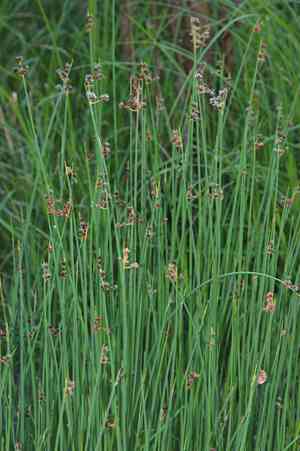
Celebrated for its flexible wetland development, softstem bulrush flourishes in watery habitats. Trim withered or compromised stalks at their base in spring for revitalization or in summer and autumn for upkeep. Periodic trimming fosters robust development and manages proliferation. Execute selective pruning, concentrating on decreasing density without compromising the plant's inherent structure. Pruning additionally improves air circulation, potentially lessening pest problems and boosting plant vitality.
Advantages of Trimming Softstem Bulrush
Advantages of Trimming Softstem Bulrush
Trimming softstem bulrush aids in sustaining its robust development and desired shape. Consistent removal of aged or overgrown stalks promotes fresh, vigorous shoots and keeps the plant from becoming unruly.
Optimal Period for Trimming Softstem Bulrush
Optimal Period for Trimming Softstem Bulrush
In Spring, softstem bulrush is emerging from dormancy, making it an ideal time to cut back dead or old growth to encourage new shoots and healthier plants. Trimming in early Summer is beneficial as it allows light and air to reach new developing shoots, ensuring vigorous growth and maintaining the plant's form. Fall trimming is best for removing spent or damaged stalks after the growing season, preventing disease, and helping softstem bulrush conserve energy for winter. These optimal trimming times help maintain the health and appearance of softstem bulrush, while avoiding the stress of cutting during flowering or harsh winter weather.
Tools Required for Trimming Softstem Bulrush
Heavy-Duty Garden Shears
Given the strong, sturdy stems of softstem bulrush, heavy-duty garden shears are crucial. They possess sufficient power to cut through thick stems without damaging the tool or requiring excessive effort.
Sharp Bypass Pruners
For more precise cuts near the base or for thinning out dense growth areas, sharp bypass pruners are effective as they provide a clean cut and are easy to handle when working with softstem bulrush.
Long-Handled Loppers
Considering softstem bulrush's potential height and the necessity to reach into dense growth for trimming, long-handled loppers can offer the required leverage and reach without causing strain to the gardener.
How to Trim Softstem Bulrush
Clean tools
Before beginning, ensure pruning shears and gloves are clean and sharp to prevent disease transmission during the trimming process.
Remove diseased material
Carefully inspect softstem bulrush for any indications of disease or wilting. Trim diseased and withered leaves using pruning shears, cutting them at their base to prevent further disease spread and encourage new growth.
Prune dead branches
Identify any dead or damaged branches. Cut these branches off where they connect to healthy tissue, being careful not to harm the main stems. For thicker branches, use loppers or a saw.
Thinning
Thin out dense areas to improve light penetration and air circulation. Selectively remove some internal branches that are not dead but may be causing excessive density.
Disposal
Dispose of all removed material (diseased, dead, or excess trimmings) responsibly, ideally by burning or removing offsite, to prevent any disease from spreading in the garden.
Common Trimming Errors with Softstem Bulrush
Over-trimming
Removing too much foliage at once can stress softstem bulrush, leading to poor growth and reduced vigor. Aim to trim no more than one-third of the plant at a time.
Incorrect cut placement
Cutting too close to the main stem or too far from it can either promote disease or result in dieback. Trim just above a node or a set of leaves.
Using dull tools
Dull trimming tools can damage the stems of softstem bulrush, creating jagged cuts that take longer to heal and are vulnerable to pests and diseases.
Ignoring dead material
Failing to remove dead or decaying stems can hinder new growth and potentially spread disease throughout softstem bulrush.
Trimming healthy growth
Removing healthy growth indiscriminately can diminish the plant's capacity to photosynthesize and grow optimally.
General Trimming Advice for Softstem Bulrush
Sharp clean tools
Utilize sharp and clean pruning shears or scissors to ensure precise cuts that heal quickly, preventing disease entry.
Identify targets
Focus on removing dead, damaged, or overly long stems, which will promote healthy growth and maintain the desired shape of softstem bulrush.
Gradual trimming
Trim gradually over time rather than all at once to avoid shocking the plant and to observe its response to trimming.
Sanitize tools
Clean trimming tools before and after use to prevent the spread of pests and diseases between plants.
Cut angle
Make cuts at a slight angle to prevent water accumulation on the cut surface, which can encourage rot and fungal diseases.



