How to Prune Octopus tree?
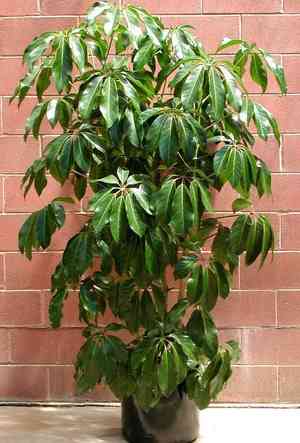
Originating from tropical rainforests, Schefflera actinophylla is distinguished by its umbrella-shaped foliage groupings and impressive stature. Trim to preserve its form, eliminate deceased or compromised branches, and enhance airflow. The ideal time for this is in early spring prior to new development, or during winter dormancy. Trimming fosters a compact structure and can control its dimensions in confined areas. Refrain from extensive cuts to avert strain. Employ keen, sanitized implements to execute precise cuts for peak plant well-being.
What Are the Benefits of Pruning Octopus Tree?
What Are the Benefits of Pruning Octopus Tree?
Trimming octopus tree encourages blooming, deters pests and diseases, maintains a manageable size, and promotes dense, lush foliage.
What Is the Best Time for Pruning Octopus Tree?
What Is the Best Time for Pruning Octopus Tree?
Pruning octopus tree in early spring is advantageous as the plant begins a new growth cycle, allowing pruning to stimulate new growth and effectively shape the plant before the growing season. Furthermore, the risk of frost damage is typically past, reducing harm to fresh cuts. Trimming during winter, while the plant is dormant, minimizes stress and prevents the loss of vital sap, which is more abundant during active growth. It also enables the gardener to shape the plant without foliage obstruction and better identify dead or diseased branches for removal, promoting overall plant health and vigor in anticipation of spring growth.
What Tools Do I Need to Prune Octopus Tree?
Hand Pruners
Ideal for cutting thin stems and branches of octopus tree. They ensure a clean cut, vital for the plant's well-being.
Loppers
Perfect for reaching higher or deeper sections of octopus tree due to their longer handles, providing leverage for thicker branches that hand pruners cannot manage.
Pruning Saw
Essential for removing larger branches too thick for loppers. A pruning saw facilitates cutting without harming the remaining parts of octopus tree.
Shears
Useful for shaping octopus tree and trimming smaller, accessible branches. They allow for quick, precise cuts, resulting in a neat appearance.
Pole Pruner
Crucial for cutting out-of-reach branches. It allows the gardener to prune the upper parts of octopus tree without a ladder.
Gloves
Protect the gardener's hands from scratches and sap while pruning octopus tree. Safety should always be paramount.
Disinfectant
Important for sterilizing all pruning tools before and after use to prevent the spread of disease to or from octopus tree.
How to Prune Octopus Tree
Step1: Sanitize Tools
Sterilize your pruning tools before beginning to prevent disease transmission. Use rubbing alcohol or a bleach-to-water solution (1:9 ratio) to clean your shears or saw blades.
Step2: Remove Dead Wood
Begin by removing dead wood from octopus tree. Make a clean cut just above a living node using sharp pruning shears. Avoid leaving stubs, as they can encourage disease.
Step3: Cut Diseased Parts
Identify and eliminate any diseased parts of octopus tree. Cut well below the affected area, into healthy tissue, to ensure all diseased material is gone.
Step4: Thin Out Dense Growth
To manage excessive growth, thin out octopus tree's dense areas to improve air circulation and light penetration. Cut selected branches back to a main stem or an outward-facing node, promoting a more open structure.
Step5: Shape the Plant
For shaping octopus tree, selectively prune longer, unbranched stems to encourage branching. Make cuts just above a leaf node at the desired height, maintaining the overall balanced shape of octopus tree.
Step6: Three-Part Large Branch Removal
If large branches need removal to control size, use a saw and make a three-part cut to prevent bark tearing. First, saw a small notch on the branch's underside away from the trunk, then make a second cut from the top a few inches further out to allow the branch to fall cleanly. Finally, make a smooth finishing cut just outside the branch collar.
Step7: Debris Cleanup
After pruning, clear all debris from around octopus tree to prevent fungal infections or pests from establishing.
Step8: Post-Pruning Watering and Fertilizing
Water octopus tree after pruning to aid recovery, and apply a balanced fertilizer to support new growth, if pruning occurs during the growing season.
Step9: Monitor Plant Health
Observe octopus tree after pruning for signs of stress or disease, and provide appropriate care as needed.
Post-Pruning Care for Octopus Tree
Post-Pruning Care for Octopus Tree
Immediately after pruning octopus tree, ensure a clean environment to prevent infection. Place the plant in indirect light, maintain moderate humidity, and keep the temperature stable. Post-pruning, apply a balanced fertilizer to encourage growth. Consistently check for drooping leaves or discoloration as signs of stress. If any abnormalities are detected, adjust care and consult a horticulturist if necessary.
Common Pruning Mistakes with Octopus Tree
Over-Pruning Causing Plant Shock
Pruning too aggressively can lead to shock in octopus tree, potentially resulting in poor growth or even plant death.
Dull Tools Leading to Jagged Cuts
Underestimating the importance of sharp tools can result in jagged cuts, which may attract pests and diseases to octopus tree.
Removing Healthy Growth Instead of Only Damaged Parts
Neglecting to remove only necessary parts, such as diseased or damaged limbs, can lead to the removal of healthy growth, reducing the overall vitality of octopus tree.
Disregarding Plant's Natural Shape During Pruning
Ignoring the natural shape of octopus tree when pruning can result in an unbalanced and aesthetically unpleasing appearance.
Spreading Disease with Unclean Pruning Tools
Overlooking the cleaning and sterilization of pruning tools before use can spread disease from infected plants to healthy parts of octopus tree or to other plants.
Common Pruning Tips for Octopus Tree
Clean Cuts at 45-Degree Angle for Better Healing
Ensure all pruning cuts on octopus tree are clean and at a 45-degree angle to prevent water accumulation and promote faster healing.
Selective Pruning for Size, Shape, and Thicker Growth
Prune octopus tree to maintain its size and shape by selectively cutting back leggy stems to a node where a leaf meets the stem, encouraging thicker and healthier growth.
Removing Dead or Diseased Branches to Improve Plant Health
Remove dead, damaged, or diseased branches from octopus tree first to improve air circulation and light penetration, which are crucial for the plant's health.
Thinning Dense Foliage for Better Air and Light Exposure
Thinning out dense foliage can increase air circulation and light exposure to octopus tree's interior, fostering a lush and vibrant appearance.
Post-Pruning Care with Water and Fertilizer for Recovery
After pruning, care for octopus tree by providing adequate water and possibly a balanced fertilizer to support recovery and new growth.



