How to Prune African blood lily?
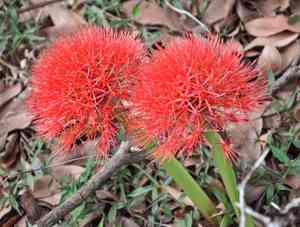
Distinguished by its impressive globular floral clusters, african blood lily enlivens outdoor spaces with vivid colors. Remove faded flower stems at their origin to stimulate subsequent flowering and sustain the plant's robustness. The most suitable period for this trimming is from the beginning of spring through the end of autumn, coinciding with the plant's inactive phase. Any withered foliage ought to be clipped away as well to avert illness. Limited trimming benefits african blood lily by fostering an organic, robust growth habit without diminishing its decorative charm.
What Are the Benefits of Pruning African Blood Lily?
What Are the Benefits of Pruning African Blood Lily?
Trimming african blood lily promotes more abundant blooms by eliminating spent flowers, stimulates robust development, and helps maintain the plant's desired shape. This precise cutting back ensures a compact, visually appealing form and strong health.
What Is the Best Time for Pruning African Blood Lily?
What Is the Best Time for Pruning African Blood Lily?
For african blood lily, the optimal period for pruning is early spring before new growth begins, or in late autumn after flowering and as the plant enters dormancy. Pruning in early spring allows gardeners to remove any dead or damaged foliage from the previous year without harming new shoots, which encourages healthier growth and improved flowering. Late autumn is also suitable as it permits the removal of spent flowers and helps prevent potential disease during the dormant phase. In both seasons, the plant's sap is less active, reducing stress and enhancing recovery. Pruning outside these times can disrupt african blood lily's growth cycle and bloom schedule.
What Tools Do I Need to Prune African Blood Lily?
Bypass Pruners
Perfect for making precise cuts on african blood lily's foliage without crushing plant tissues, ensuring healthy regrowth.
Gardening Gloves
Protect hands from african blood lily's sap, which might irritate skin during the pruning process.
Garden Scissors
Useful for trimming small, delicate parts of african blood lily such as spent flowers or minor foliage adjustments.
Sharp Knife
Essential for cutting through rhizomes when dividing african blood lily for propagation or removing dead sections.
Disinfectant
To prevent disease transmission, tools should be sanitized before and after pruning african blood lily.
Waste Container
For immediate disposal of african blood lily trimmings, reducing the risk of pest and disease spread.
How to Prune African Blood Lily
Step1: Inspect Plant for Pruning
Examine african blood lily for withered leaves, dead flowers, and damaged stems. Ensure the plant has completed its flowering cycle and is not in its active growth phase before you begin pruning.
Step2: Prepare Sterilized Pruning Tools
Prepare sterilized, sharp scissors or pruning shears. Sanitize your tools before and after use to prevent the spread of disease.
Step3: Remove Withered Leaves
Remove withered leaves by snipping them off at the base where they meet the main stem or soil line. Be careful not to cut into healthy tissue.
Step4: Prune Dead Flowers
Cut dead flowers from african blood lily at the base of the flower stalk. Make the cut just above the point where the flower stalk emerges from the foliage to encourage future blooms.
Step5: Trim Damaged Stems
Identify and trim away any damaged stems. Make cuts on stems just above a node (where leaves attach) or at the base of the plant to promote healthy new growth.
Step6: Shape Plant Aesthetically
Shape african blood lily by selectively pruning to maintain a pleasing aesthetic, keeping in mind to remove only what is necessary. African blood lily does not typically require extensive shaping.
Step7: Dispose of Pruned Material
Dispose of all removed plant material in a compost bin or trash to minimize the risk of disease spread.
Step8: Water Plant Post-Pruning
Water african blood lily lightly after pruning to help it recover, but do not overwater as this can lead to root rot due to its bulbous nature.
Step9: Monitor Plant for New Growth
Monitor african blood lily for signs of new growth or any issues following pruning. Additional care such as fertilization should be considered based on the general health and growth patterns of the plant.
Post-Pruning Care for African Blood Lily
Post-Pruning Care for African Blood Lily
Following pruning, immediately water african blood lily to alleviate stress. Provide bright, indirect light and maintain a high humidity environment, avoiding temperature fluctuations. Apply a balanced liquid fertilizer to support growth. Monitor african blood lily for wilting or discolored leaves, which could indicate stress or infection. Should signs of poor health manifest, reduce watering and inspect for pests or rot, treating as necessary with appropriate fungicides or pest control methods.
Common Pruning Mistakes with African Blood Lily
Avoid excessive leaf and stem removal
Over-pruning is a common error, which can occur if too many leaves or stems are removed. This can stress african blood lily and reduce its vitality, as it relies on its foliage for photosynthesis.
Do not cut near the plant's bulb or base
Cutting into the bulb or base of african blood lily can cause irreparable damage to the plant. It's important to avoid pruning near the bulb unless removing dead or diseased material.
Use clean, sharp tools to prevent damage
Using dull or unclean tools can lead to jagged cuts and introduce pathogens. This mistake can hinder recovery and promote disease in african blood lily.
Common Pruning Tips for African Blood Lily
Prune dead or yellowing leaves cleanly
Remove only the dead or yellowing leaves by cutting them back to their base, using clean, sharp tools. This helps maintain the aesthetic of african blood lily and promotes healthier growth.
Deadhead post-flowering without harming foliage
After african blood lily has finished flowering, deadhead the spent flowers by cutting the flower stalks close to the base without damaging the foliage, to redirect energy to the bulb.
Regularly check and prune to control disease
Inspect african blood lily regularly for signs of disease or pests. Prune away any affected parts immediately to prevent further spread, making sure to sterilize your tools afterward to avoid cross-contamination.



