How to Prune Lizard's tail?
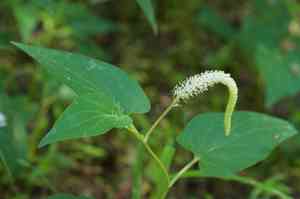
This perennial herb is recognized for its cordate foliage and pendulous white inflorescences. For lizard's tail, consistent trimming promotes a denser habit. Cut back the leaves following blooming to preserve its form and eliminate faded flower spikes to deter unwanted propagation. The ideal time for pruning extends from the beginning of spring through the end of summer. Pruning within this window optimizes the plant's inherent developmental rhythm. This method also aids in managing its expansion, guaranteeing lizard's tail continues to be an appealing element in aquatic gardens and damp environments.
What Are the Benefits of Pruning Lizard's Tail?
What Are the Benefits of Pruning Lizard's Tail?
Trimming lizard's tail encourages robust development by promoting fresh shoots, and helps keep its desired dimensions and form, ensuring a neat look in the garden.
What Is the Best Time for Pruning Lizard's Tail?
What Is the Best Time for Pruning Lizard's Tail?
Early spring is optimal for trimming lizard's tail as it precedes the growth season, allowing the plant to quickly recover from pruning stress and direct energy into producing healthy new growth. Similarly, late summer is suitable since lizard's tail will have finished its flowering cycle, minimizing disruption to its reproductive process. Pruning then also helps maintain the plantâs shape, control its size, and remove any damaged or diseased foliage before winter dormancy.
What Tools Do I Need to Prune Lizard's Tail?
Hand Pruners
Perfect for cutting stems and branches of lizard's tail up to 1/2 inch in diameter. They provide precise cuts without harming plant tissues.
Pruning Shears
Useful for shaping lizard's tail and managing its growth. They are ergonomic and can easily reach tight spots, which is good for lizard's tail's dense foliage.
Lopping Shears
Recommended for cutting thicker branches that hand pruners cannot manage, typically up to 1 1/2 inches in diameter, especially when lizard's tail is mature and has developed woody stems.
Gardening Gloves
Protect the gardener's hands from potential skin irritants found on lizard's tail and help maintain a firm grip on tools.
Pruning Saw
For mature lizard's tail plants with branches over 1 1/2 inches thick, a pruning saw offers the necessary strength and control for larger cuts.
How to Prune Lizard's Tail
Step1: Identify Wilted Blooms for Removal
Locate the old flowers on lizard's tail that have already bloomed and are starting to wilt or have died. These are usually at the end of stems and may appear brown or faded compared to vibrant, healthy blooms.
Step2: Sterilize Pruning Shears
Sanitize your pruning shears before starting to prevent the spread of any diseases. This can be done using a household disinfectant or by wiping with alcohol.
Step3: Cut Above Healthy Leaves
Find the first set of healthy leaves below the old flower on the stem. Make your cut just above these leaves, ensuring a small section of stem remains above the leaves to encourage new growth.
Step4: Make Clean Cuts with Sharp Shears
Use sharp, clean pruning shears to make a quick, precise cut. Avoid tearing or damaging the stem as this can introduce disease and affect the plant's ability to heal.
Step5: Remove All Dead Flowers
Continue this process throughout the plant, removing all dead or old flowers. This will help the plant conserve energy and can promote more blooms during the growing season.
Step6: Trim Dead Material from Plant
Once all old flowers have been removed, inspect lizard's tail for any other dead or dying material, such as leaves or stems, and remove those as well following the same principles of clean cuts and positioning.
Step7: Compost or Dispose of Plant Debris
Dispose of the removed material by composting or placing it in yard waste. Do not leave cuttings on the ground as they can harbor diseases or pests.
Step8: Water Plant Post-Pruning
Water lizard's tail after pruning to help it recover and encourage new growth. Ensure you follow proper watering guidelines for the species, as over or under-watering can cause stress to the plant.
Post-Pruning Care for Lizard's Tail
Post-Pruning Care for Lizard's Tail
Immediately after trimming lizard's tail, ensure it is well-hydrated to lessen shock. Provide filtered sunlight; avoid direct, intense light to prevent stress. Maintain high humidity and a temperature of 60-75°F to aid recovery. Fertilize with a balanced, diluted solution once new growth appears. Monitor lizard's tail for wilting, discoloration, or infection, trimming affected areas and consulting a plant pathologist if symptoms persist. Regular checks will help detect issues early, promoting swift recovery and robust growth.
Common Pruning Mistakes with Lizard's Tail
Over-pruning Stress on Plant
Excessive pruning, which involves removing too much foliage at once and can stress lizard's tail, potentially leading to poor growth and fewer vigorous blooms.
Incorrect Pruning into Old Wood
Cutting into the woody base of older stems, as lizard's tail regenerates best from new growth rather than old wood. This can impede the plant's natural shape and vitality.
Failure to Remove Dead Material
Neglecting to remove dead or diseased material, which can hinder new growth and even spread disease throughout lizard's tail.
Using Dull or Dirty Pruning Tools
Employing dull or dirty pruning tools, which can cause damage to plant tissues and introduce pathogens to lizard's tail.
Disregarding Natural Growth Habit
Ignoring the natural growth habit of lizard's tail when pruning, which can result in an unnatural appearance and reduce the plant's ornamental value.
Common Pruning Tips for Lizard's Tail
Clean Cuts with Sharp Tools
Use sharp, clean pruning shears or scissors to make precise cuts that will heal quickly and minimize the risk of disease infection in lizard's tail.
Respect Plant Shape during Pruning
Trim lizard's tail to maintain an attractive shape and size by selectively cutting back overgrown stems while being careful not to cut too far into old wood.
Remove Dead Leaves & Spent Blooms
Regularly remove any dead or yellowing leaves, as well as spent flower spikes, to encourage new growth and improve air circulation around lizard's tail.
Pinch Back for Bushier Growth
During active growing periods, pinch back the tips of new growth to promote bushier growth and prevent lizard's tail from becoming too leggy.
Even Distribution in Thinning Cuts
When thinning out crowded areas, ensure an even distribution of pruning cuts to maintain the natural form of lizard's tail and avoid creating bare spots.



