How to Prune Summer savory?
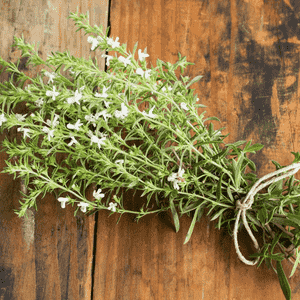
Summer savory, a favored culinary herb recognized for its pungent taste, thrives with regular trimming to foster denser development and increased harvests. Throughout the growing period, from early spring until late autumn, routinely snip the ends to stimulate branching. Removing faded blossoms helps sustain the plant's vigor, channeling its energy into producing more foliage. There's no need for yearly pruning before winter since summer savory is generally cultivated as an annual, enabling gardeners to replant and reshape it annually.
What Are the Benefits of Pruning Summer Savory?
What Are the Benefits of Pruning Summer Savory?
Trimming summer savory is essential for fostering robust growth, promoting dense foliage, and limiting its expansion to a specific area. Consistent cutting helps summer savory direct energy into producing fresh, fragrant leaves instead of becoming sparse.
What Is the Best Time for Pruning Summer Savory?
What Is the Best Time for Pruning Summer Savory?
Pruning summer savory in early spring stimulates vigorous new growth and aids in maintaining an open, productive structure. Late autumn pruning is ideal for removing spent foliage post-harvest, which helps lower disease risk and prepares summer savory for winter dormancy.
What Tools Do I Need to Prune Summer Savory?
Hand Pruners
For shaping and trimming the foliage of summer savory, sharp hand pruners are indispensable. They enable precise cuts and help preserve the plant's health by eliminating dead or excess growth without harming the stems.
Pruning Shears
Pruning shears, also known as secateurs, are perfect for clipping herbs like summer savory. Their sharp blades ensure clean cuts, which is vital for preventing damage to the delicate stems.
Scissors
For lighter trimming, especially when harvesting leaves from summer savory, garden scissors can be used. Scissors are suitable for cutting soft stems and can easily maneuver among the small branches.
How to Prune Summer Savory
Step1: Identify Aging Stems for Trimming
Locate the older stems on summer savory that require trimming. These are typically more woody and rigid, with less vibrant foliage. Look for stems that have already bloomed in the previous season and show signs of age or reduced vitality.
Step2: Sanitize Pruning Tools
Disinfect your pruning shears with alcohol or a bleach solution to prevent the spread of disease. This is crucial for maintaining the health of summer savory.
Step3: 45-Degree Cuts Above Leaf Nodes
Begin by cutting the old stems. Make cuts at a 45-degree angle, approximately 1/4 inch above a healthy leaf node or branching point. This encourages new growth and helps water drain from the cut end, reducing the chance of disease.
Step4: Deadheading for Aesthetics and Flowering
Identify and remove any spent flowers from summer savory. Prune these back to the main stem, or just above the nearest set of healthy leaves. Removing old blooms will promote a neater appearance and may encourage more flowering.
Step5: Thin Out for Air Circulation
Thin out summer savory to enhance air circulation. Remove some of the central growth if the plant is very dense. This is particularly important after removing old stems to ensure the plant has space to generate new, healthy growth.
Step6: Shape Plant According to Growth Habit
Shape summer savory as desired, keeping its natural growth habit in mind. Aim for a balanced, rounded form that allows light to reach all parts of the plant.
Step7: Dispose of Pruning Debris
Collect and discard all cuttings to prevent the potential spread of pests or diseases. This is a vital cleanliness practice for maintaining a healthy garden.
Step8: Water Plant After Pruning
Water summer savory thoroughly after pruning to help reduce plant stress and encourage new growth. Ensure the soil is well-drained to prevent waterlogging.
Step9: Monitor Plant Health Post-Pruning
Observe the plant for signs of new growth and overall health, adjusting care practices as needed. Prune regularly to maintain the desired shape and size of summer savory, and to promote vigorous and healthy growth.
Post-Pruning Care for Summer Savory
Post-Pruning Care for Summer Savory
Immediately after pruning summer savory, ensure ample light exposure while shielding it from harsh direct sunlight. Maintain moderate humidity and a stable temperature between 60-70°F. Water summer savory deeply but allow the soil to dry slightly between waterings to encourage strong root growth. Apply a balanced, slow-release fertilizer to nourish summer savory as it recovers. Monitor summer savory for yellowing leaves or wilting, which may indicate stress or infection; address promptly by adjusting care or consulting a plant disease specialist.
Common Pruning Mistakes with Summer Savory
Premature Pruning Hinders Plant Establishment
Pruning summer savory too early before it's fully established can impede its growth. New gardeners often make this error, eager to shape the plant without considering its readiness.
Excessive Pruning Stressing Plant Health
Cutting too much off summer savory in a single pruning session can stress the plant. Removing more than one-third of the total growth can impair the plant's health and vitality.
Unclean Tools Lead to Pest and Disease Risks
Failing to use clean, sharp pruning tools can result in jagged cuts, which are more vulnerable to pests and diseases. Both novice and experienced gardeners should always sterilize their tools before use.
Not Pruning Woody Stems Reduces Leaf Flavor
Neglecting to prune the woody stems of summer savory can lead to less flavorful leaves. As summer savory matures, woodier parts of the plant produce fewer leaves, which are often less aromatic.
Pruning Without a Plan Causes Misshapen Plants
Pruning without a clear objective can result in a misshapen plant. It's important to understand the desired shape and size of summer savory before beginning to prune.
Common Pruning Tips for Summer Savory
Pinching Tips for Bushier Growth
Pinch off the tips of summer savory to encourage bushier growth. This technique helps maintain a compact shape and promotes the development of more leaves, which are the flavorful parts of the plant.
Removing Weak Stems for Stronger Growth
Remove any weak or spindly stems to direct the plant's energy into producing stronger, healthier growth. Achieving an optimal balance in summer savory requires regular, careful assessment of the plant's form.
Cutting Top Third for Lateral Stability
Cut back the top third of the plant when it becomes too tall, which helps stimulate side growth and prevents summer savory from becoming top-heavy and prone to toppling over.
Revitalizing Post-Flowering Trim
After summer savory flowers, it's good practice to trim it back to revitalize; although the best season for this is excluded from the discussion, be sure to follow this general practice after the flowering phase.
Angled Cuts Above Nodes for New Growth
When pruning, make angled cuts just above a leaf node to encourage new growth. This technique applies particularly well to summer savory, as it helps in achieving a fuller and more desirable plant shape.
Removing Dead Leaves to Prevent Disease
Regularly remove any dead or yellowing leaves to maintain the health and appearance of summer savory. This is also a preventive measure to reduce the likelihood of disease and pest infestation.



