How to Prune Hooded pitcher plant?
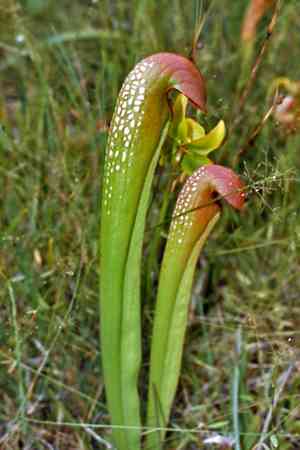
Recognized for its distinctive cap-like formation, hooded pitcher plant thrives with trimming in late winter or early spring. Eliminate withered or compromised pitchers and leaves to encourage robust development and air movement. Performing this task during its inactive phase reduces strain on the plant. Consistent upkeep can improve the plant's aesthetic and ward off ailments. Always employ sanitized, keen implements to prevent harm to the plant. Providing appropriate attention will preserve hooded pitcher plant's lively presentation throughout its active period.
What Are the Benefits of Pruning Hooded Pitcher Plant?
What Are the Benefits of Pruning Hooded Pitcher Plant?
Hooded pitcher plant thrives with pruning, promoting robust growth and maintaining its form. Regular trimming encourages healthy development, manages size, and prevents overcrowded pitchers, enhancing its overall look. Pruning also aids in warding off pests and diseases, vital for its longevity.
What Is the Best Time for Pruning Hooded Pitcher Plant?
What Is the Best Time for Pruning Hooded Pitcher Plant?
Pruning hooded pitcher plant in early spring and late winter aligns with its natural growth cycle. These periods are when the plant is either dormant or just starting its active growth phase, minimizing stress and allowing for quicker recovery. Early spring pruning helps the plant prepare for vigorous growth, while late winter ensures that damaged or dead foliage is removed before the growing season, improving overall health and appearance. Avoid pruning during active growth or flowering to prevent undue stress and potential impacts on its unique pitcher formation.
What Tools Do I Need to Prune Hooded Pitcher Plant?
Sharp pruning scissors
These are crucial for making precise cuts on the delicate pitchers without causing harm.
Fine-tipped tweezers
Useful for extracting dead insects and debris from the pitchers, preserving the plant's well-being.
Small, precise pruning shears
Ideal for trimming dead or dying leaves while avoiding damage to the plant's living parts.
Alcohol wipes
Important for sanitizing tools before and after use to prevent disease transmission.
How to Prune Hooded Pitcher Plant
Sanitize tools
Use sterilized pruning shears to prevent the spread of disease. Dip the shears in a solution of one part bleach to nine parts water or use rubbing alcohol.
Inspect plant
Carefully examine hooded pitcher plant to identify any diseased or withered leaves. Ensure to look closely at the base and inside the pitchers.
Remove diseased leaves
Cut away any leaves showing signs of disease to prevent the spread. Make a clean cut at the base of the leaf near the soil.
Trim withered leaves
Remove any withered or brown leaves by cutting them off at the base without damaging healthy parts. Ensure the cut is clean and precise.
Dispose waste
Dispose of all removed plant material, especially diseased parts, to prevent contamination of the surrounding area.
Common Pruning Mistakes with Hooded Pitcher Plant
Improper Technique
Cutting too close to the base or rhizome of hooded pitcher plant, which can harm the plant's ability to regenerate.
Over-pruning
Removing too many leaves or pitchers at once, which can stress hooded pitcher plant and impact its growth and vitality.
Ignoring Dead Material
Not removing dried or decayed pitchers, which can lead to fungal infections and other diseases.
Using Dirty Tools
Employing tools that are not sterilized, increasing the risk of introducing pathogens to hooded pitcher plant.
Pruning Healthy Pitchers
Cutting off healthy pitchers that contribute to the plant's photosynthesis and insect-trapping efficiency.
Common Pruning Tips for Hooded Pitcher Plant
Use Clean, Sharp Tools
Always sanitize your pruning shears before use to prevent disease transmission and ensure clean cuts.
Remove Dead Pitchers
Carefully cut away any dead or decayed pitchers at the base to maintain plant health and prevent disease.
Prune Sparingly
Only remove a few pitchers at a time and focus on the ones that are clearly dead or damaged to avoid stressing hooded pitcher plant.
Make Clean Cuts
Ensure your cuts are smooth and not jagged, as clean cuts heal faster and more effectively.
Monitor Plant Health
Regularly inspect hooded pitcher plant for signs of disease and promptly remove affected areas to prevent spread.



