How to Prune Ashoka tree?
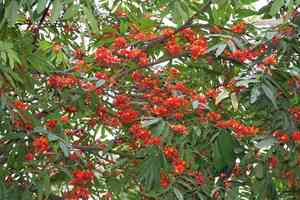
Renowned for its medicinal and aesthetic attributes, the ashoka tree necessitates judicious trimming to preserve its vitality and visual appeal. Essential methods involve excising lifeless or ailing timber, alleviating congested limbs, and moderating stature for improved form. The most favorable period for pruning is from late winter to early spring, leveraging its inactive state to minimize trauma. Distinct advantages of pruning ashoka tree encompass amplified blooming, management of ailments, and stimulation of more abundant leaves. Trimming should be meticulous to prevent unwarranted harm to this rather sensitive variety.
What Are the Benefits of Pruning Ashoka Tree?
What Are the Benefits of Pruning Ashoka Tree?
Trimming ashoka tree promotes robust development and helps maintain its desired form. Consistent cutting eliminates dead or weak branches, fostering a strong structure and preventing illness.
What Is the Best Time for Pruning Ashoka Tree?
What Is the Best Time for Pruning Ashoka Tree?
Pruning ashoka tree in late winter or early spring is ideal as it aligns with the end of ashoka tree's dormant phase and just before the start of its new growth cycle. This timing aids the plant's swift recovery post-pruning and lowers the chance of pest or disease issues. Furthermore, it allows gardeners to shape the plant and remove any dead or diseased wood before ashoka tree expends energy on foliage and flowers, which typically bloom after these seasons. By pruning during this window, gardeners encourage a healthy structure and vigorous growth, ensuring ashoka treeâs vitality throughout the growing season without significantly affecting its flowering period.
What Tools Do I Need to Prune Ashoka Tree?
Bypass Pruners
Perfect for making clean cuts on the smaller, living branches of ashoka tree, ensuring minimal harm to the plant's tissues.
Loppers
Equipped with long handles for leverage, making them suitable for cutting through thicker branches (up to 1.5 inches in diameter) that might be out of reach with smaller pruners.
Pruning Saw
Essential for removing larger limbs of ashoka tree that exceed 1.5 inches in diameter, providing the ability to cut with precision without tearing the bark.
Pole Pruner
Useful for reaching higher branches without needing a ladder, allowing safe pruning of ashoka tree from ground level.
Gardening Gloves
Protects the gardener's hands from thorns and rough bark while trimming ashoka tree.
Pruning Sealant
Used sparingly on large cuts to shield ashoka tree from diseases and pests after pruning, though generally, it's best to allow wounds to heal naturally.
How to Prune Ashoka Tree
Clean Tools
Sanitize pruning implements before beginning to prevent the spread of illness to ashoka tree.
Identify Branches
Inspect ashoka tree to pinpoint dead or diseased branches that need removal.
Make Cuts
Use sharp, clean shears to make precise cuts on ashoka tree, ensuring not to tear the bark or leave jagged edges.
Prune Diseased
Carefully remove diseased branches from ashoka tree, cutting well below the infected area to ensure all affected tissue is eliminated.
Dispose Branches
Properly discard the removed branches away from healthy plants to prevent the potential spread of disease.
Common Pruning Mistakes with Ashoka Tree
Over Pruning
Removing too much foliage, which can stress ashoka tree, leading to reduced blooming and potential harm to the plant's health.
Improper Cut Location
Cutting too far from or too close to the bud can hinder proper healing and growth, potentially exposing ashoka tree to diseases.
Using Dull Tools
Dull pruning tools can create ragged cuts that take longer to heal and may attract pests, impacting ashoka tree's health.
Tearing Branches
Instead of clean cuts, tearing branches can damage ashoka tree's bark and branches, opening the plant to infection and disease.
Ignoring Dead Material
Failing to regularly remove dead or diseased wood can affect ashoka tree's overall health and aesthetic appeal.
Pruning Without Plan
Random or unplanned pruning can result in a lack of shape and uneven growth in ashoka tree, diminishing its ornamental value.
Common Pruning Tips for Ashoka Tree
Clean Sharp Cuts
Use clean, sharp tools to make precise cuts, which will help ashoka tree to heal quickly and reduce the risk of disease.
Angle Cuts Away
Angle cuts away from the buds to prevent water from accumulating, which can lead to disease in ashoka tree.
Thin Crowded Areas
Thin out crowded areas to improve air circulation and light penetration, which is essential for ashoka tree's health and flowering.
Cut Above Buds
Cut just above outward-facing buds to guide the new growth direction and maintain ashoka tree's desired shape.
Disinfect Pruning Tools
Disinfect tools before and after use to prevent the spread of pathogens to and from ashoka tree.
Monitor Plant Health
Regularly monitor ashoka tree's health to identify and promptly address pest infestations or diseases, which can be worsened by improper pruning.



