How to Prune Rock soapwort?
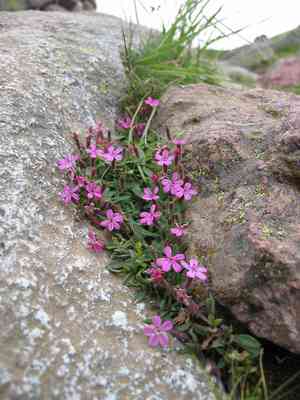
Originating from the European Alps, rock soapwort is a sprawling perennial recognized for its vivid pink blossoms and trailing growth pattern. Trimming should concentrate on eliminating withered or faded flowers to foster additional flowering and sustain plant vitality. The ideal time for substantial pruning is after blooming to sculpt the plant and reduce overly dense growth. Pruning can encourage thicker foliage, boosting its decorative appeal. Given its resilient character, rock soapwort tolerates pruning at any point during its active growth phase.
What Are the Benefits of Pruning Rock Soapwort?
What Are the Benefits of Pruning Rock Soapwort?
Trimming rock soapwort encourages more abundant flowering, promotes vigorous development, and helps maintain a compact, appealing form. Regular cutting can significantly improve the plant's appearance and vitality.
What Is the Best Time for Pruning Rock Soapwort?
What Is the Best Time for Pruning Rock Soapwort?
Pruning rock soapwort during late winter or early spring is advisable while the plant is still inactive, facilitating easier shaping and removal of any cold damage without impacting new growth. This timing also prepares the plant for strong spring development, ensuring a healthy bloom period without the stress of cutting into active growth. Furthermore, pruning before warmer weather arrives helps prevent diseases that thrive in damp conditions, as cuts have time to heal before these conditions emerge.
What Tools Do I Need to Prune Rock Soapwort?
Bypass Hand Pruners
Perfect for making precise cuts on the green, living stems of rock soapwort without crushing plant tissues, aiding the plant's recovery post-pruning.
Pruning Shears
Effective for trimming and shaping rock soapwort, offering accurate control and being suitable for a plant of its dimensions.
Garden Scissors
Useful for removing spent blooms or snipping off withered flowers and slender stems, which stimulates new growth and a neater look for rock soapwort.
Gloves
Protective handwear to ensure safety and comfort while handling rock soapwort, preventing scrapes or irritation from the plant's sap.
How to Prune Rock Soapwort
Step1: Assessment for Pruning
Evaluate rock soapwort for areas needing trimming. Before starting, inspect the plant after its flowering season to identify dead stems, old blossoms, and withered foliage.
Step2: Sanitization of Tools
Disinfect pruning implements. Clean and sterilize all pruning shears prior to use to prevent the spread of plant illnesses.
Step3: Dead Stem Pruning
Eliminate dead stems. Using sharp pruning shears, carefully cut any dead stems at their base, making clean, angled cuts just above new growth or a leaf node to encourage healthy regrowth.
Step4: Flower Deadheading
Remove spent flowers. Snip off the old flower stalks down to the base of the flower stem or directly above the first full set of leaves to promote a potential second flush of blooms.
Step5: Foliage Trimming
Trim withered foliage. For any yellowing or dead leaves, prune them close to the ground, where the foliage meets the stems, to improve air circulation and plant vitality.
Step6: Shaping the Plant
Shape rock soapwort if necessary. After clearing away dead and spent parts, gently shape the plant to maintain a pleasant mound-like form, snipping any stray branches that disrupt the shape.
Step7: Pruning Cleanup
Tidy up. Gather all pruned material from around rock soapwort and dispose of it to keep the area free of potential pests or diseases.
Step8: Post-Pruning Watering
Water rock soapwort appropriately. After pruning, irrigate the plant if the soil is dry to help reduce stress and aid recovery.
Step9: Growth Monitoring
Observe rock soapwort for new growth. In the weeks following pruning, look for new shoots as an indication of successful pruning and continued plant health.
Post-Pruning Care for Rock Soapwort
Post-Pruning Care for Rock Soapwort
Immediately after trimming rock soapwort, water thoroughly to minimize shock. Maintain consistent, indirect light, avoiding direct midday sun, which can stress recovering foliage. Keep rock soapwort in a moderate environment with average humidity, steering clear of sudden temperature shifts. Post-prune, apply a balanced, diluted fertilizer to support regrowth. Regularly check for discoloration or wilting as signs of stress or infection, and treat promptly with suitable fungicides or pest control measures.
Common Pruning Mistakes with Rock Soapwort
Excessive pruning reduces plant vigor
Trimming too aggressively, which can stress rock soapwort and diminish its vitality and blooming potential.
Not removing dead stems risks pests/disease
Failing to remove dead or diseased stems, which can lead to pest infestations or fungal diseases spreading throughout the plant.
Cutting old wood may lead to bare spots
Cutting into mature wood that does not readily produce new shoots, potentially resulting in sparse areas and uneven growth.
Ignoring natural shape decreases flowering
Disregarding the inherent growth habit of rock soapwort, leading to a less aesthetically pleasing form and reduced flowering.
Using dull tools can cause disease-prone cuts
Employing dull or unclean pruning tools, which can create ragged cuts that are more vulnerable to disease and do not heal as easily.
Common Pruning Tips for Rock Soapwort
Thin crowded areas for health and blooms
Focus on thinning out congested areas to enhance air circulation and light penetration, which is crucial for rock soapwort's health and bloom production.
Trim spent flowers to encourage more blooms
After flowering, cut back the spent blossoms to neat, healthy growth to encourage a second bloom and maintain plant shape.
Remove damaged stems to prevent disease spread
Remove dead, damaged, or diseased stems as soon as they are noticed to keep rock soapwort looking tidy and to prevent the spread of potential problems.
Use sharp shears for minimizing stress/disease
Make clean cuts using sharp, sanitized pruning shears to minimize stress and the risk of disease transmission to rock soapwort.
Shape plant to natural habit for robust growth
Gently shape rock soapwort to follow its natural mound-forming habit, which will enhance its visual appeal and support robust growth patterns.
Avoid over-pruning, harms plant's ability to thrive
Resist the temptation to over-prune; removing more than one-third of the plant at a time can hinder rock soapwort's ability to flourish.



