How to Prune Mexican creeping zinnia?
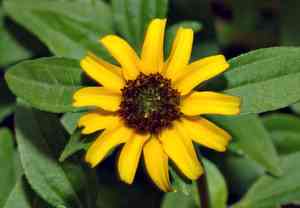
This ground-hugging, spreading perennial is recognized for its abundance of yellow, daisy-like blossoms. For mexican creeping zinnia, trimming is recommended in spring, summer, or autumn to encourage thicker development and increased flowering. Consistent removal of faded blooms sustains vitality and aesthetic appeal. Snipping the tips can also foster a more compact form. Refrain from severe cutting; instead, concentrate on eliminating dead or compromised stems to enhance air movement and the general well-being of mexican creeping zinnia.
What Are the Benefits of Pruning Mexican Creeping Zinnia?
What Are the Benefits of Pruning Mexican Creeping Zinnia?
Trimming mexican creeping zinnia promotes robust development by stimulating new shoots and helps maintain its compact form, which is crucial for its spreading habit. This enhances its visual appeal and overall garden performance.
What Is the Best Time for Pruning Mexican Creeping Zinnia?
What Is the Best Time for Pruning Mexican Creeping Zinnia?
In Spring, mexican creeping zinnia should be trimmed to remove any dead or damaged foliage and to encourage new, dense growth as the plant exits its dormant phase. Pruning at this time benefits the plant's health by promoting vigorous bushy growth and can thus enhance flowering. Early Summer is an appropriate time for light trimming or pinching back to maintain the desired shape and size, as well as to encourage the branching out of mexican creeping zinnia, which leads to fuller plants. This practice also removes any spent flowers, thereby stimulating the plant to produce more blooms throughout the growing season. In the Fall, minimal pruning might be necessary to prepare mexican creeping zinnia for the winter by removing any unhealthy parts and reducing the plant's size if needed while avoiding extensive cutting that could stimulate new growth susceptible to winter damage. These pruning seasons align with the active growing periods of the plant, which allows mexican creeping zinnia the best chance to heal and grow back more robustly.
What Tools Do I Need to Prune Mexican Creeping Zinnia?
Bypass Pruners
Ideal for making clean and precise cuts, bypass pruners will effectively trim back any overgrown or dead stems on mexican creeping zinnia without damaging the delicate stems.
Scissors or Snips
For finer control when deadheading or shaping mexican creeping zinnia, a sharp pair of scissors or gardening snips tailored for delicate tasks is an appropriate choice. These tools allow for precise cutting without crushing stem tissues.
Gloves
While not a cutting tool, gloves offer protection from thorns or rough plant material, promoting safety during the pruning process.
How to Prune Mexican Creeping Zinnia
Clean tools
Before pruning mexican creeping zinnia, sanitize your pruning tools with isopropyl alcohol or a household disinfectant to prevent the spread of disease.
Identify parts
Inspect mexican creeping zinnia to locate withered leaves that are brown, dry, and possibly curled. These are the parts that will require trimming.
Cut withered leaves
Using your clean tools, carefully snip off the withered leaves at the base where they meet the stem. Avoid damaging healthy tissues close to the pruning cuts.
Dispose
Collect and dispose of the removed withered leaves properly to minimize the risk of disease or pests spreading in your garden.
Watering after pruning
After pruning mexican creeping zinnia, water the plant if the soil is dry to help it recover, taking care to avoid overhead watering which can promote disease.
Common Pruning Mistakes with Mexican Creeping Zinnia
Overpruning
Removing too much foliage at once can stress mexican creeping zinnia and hinder its growth, potentially leading to sparse blooms or a weakened plant.
Pruning Healthy Growth
Cutting back shoots that are healthy and contributing to the plant's structure can limit the display of blooms that mexican creeping zinnia is known for.
Ignoring Dead or Damaged Stems
Neglecting to remove dead or damaged stems can leave mexican creeping zinnia vulnerable to pests and diseases, which can spread to other parts of the plant.
Not Using Clean Tools
Using unclean pruning tools can introduce diseases to mexican creeping zinnia, affecting the plant's health.
Pruning Too Close
Cutting too close to the main stem or leaving no growth point can inhibit future growth or cause die-back in mexican creeping zinnia.
Tearing Stems
Rough cuts or tears can damage mexican creeping zinnia, leaving ragged edges that are more susceptible to disease and pests.
Common Pruning Tips for Mexican Creeping Zinnia
Selective Pruning
Focus on removing only the dead or fading flowers of mexican creeping zinnia to encourage continual blooming without over-stressing the plant.
Sharp Tools
Use sharp and clean pruning shears or scissors to make precise cuts that will heal quickly and limit the risk of disease for mexican creeping zinnia.
Prune for Shape
Trim mexican creeping zinnia lightly to maintain the desired shape and support its sprawling nature without compromising its natural growth habit.
Encourage Airflow
Thin out dense areas of growth to improve air circulation, which can reduce the chances of fungal diseases in mexican creeping zinnia.
Watch for Pests
Inspect mexican creeping zinnia for pests and diseases during pruning, as early detection and removal of affected areas can prevent further damage.
Pinching Out Tips
Use your fingers to pinch out the tips of the young shoots to encourage bushier growth and more flowers on mexican creeping zinnia.



