How to Prune Cotton lavender?
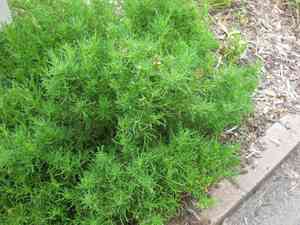
This evergreen shrub, featuring silvery leaves and yellow, button-shaped blossoms, flourishes in bright locations. For cotton lavender, consistent shearing subsequent to blooming helps preserve its form and encourages robust development. Perform pruning in late spring or early summer, reducing spent flower stems to viable buds. Removing faded flowers stimulates a subsequent flowering period. Restrict severe cutting to prevent harm to the woody foundation. Pruning revitalizes the foliage and prevents sparse growth, guaranteeing that cotton lavender stays compact and appealing.
What Are the Benefits of Pruning Cotton Lavender?
What Are the Benefits of Pruning Cotton Lavender?
Trimming cotton lavender promotes abundant blooms while helping it maintain resistance to pests and diseases. Strategic cuts can revitalize the plant, ensuring robust growth and vibrant displays.
What Is the Best Time for Pruning Cotton Lavender?
What Is the Best Time for Pruning Cotton Lavender?
These periods are considered ideal as they align with cotton lavender's natural growth cycle. After the final frost, late spring provides a time when the plant begins active development, making it suitable for shaping and size control. Pruning at this point allows cotton lavender to recover and produce new growth before entering dormancy in colder months. Early summer is also appropriate, following cotton lavender's blooming period, enabling gardeners to remove spent flowers and encourage a second flush of blossoms. It also helps avoid cutting into new buds that will provide the next season's flowers. This timing ensures the plant's health is maintained and promotes vigorous growth while minimizing stress on cotton lavender.
What Tools Do I Need to Prune Cotton Lavender?
Hand Pruners
Perfect for trimming cotton lavender as they can easily snip small stems and help shape the plant without damaging its delicate foliage.
Shears
Best for shaping cotton lavender's fine leaves to maintain its compact, rounded form. Shears allow for quick, even cuts that promote dense growth and a tidy appearance.
Gloves
Recommended to shield hands from cotton lavender's potentially irritating oils and any sharp edges during pruning.
Pruning Saw
Useful for cotton lavender if larger, woodier stems need removal that hand pruners cannot handle, though this is less common.
How to Prune Cotton Lavender
Step1: Determine Optimal Pruning Timing
Identify the best time for pruning cotton lavender, typically late winter or early spring, before new growth starts.
Step2: Pruning Shears Preparation
Prepare clean, sharp pruning shears to ensure a precise cut and prevent disease spread between plants.
Step3: Remove Dead Wood
Start by removing any dead wood. Locate the base of the dead branches, distinguishing them from live wood by their brittle nature and lack of green.
Step4: Angled Cut Above Node
Make cuts at a slight angle, just above a healthy leaf node or bud to encourage new growth. Avoid cutting too close to the node to prevent damage.
Step5: Deadhead Spent Blooms
Continue by deadheading spent blooms. Trim old flowers back to the base of the flower stem, being careful not to cut into new buds forming underneath.
Step6: Thin for Better Airflow
Thin out crowded areas to improve air circulation. Remove some interior branches by cutting them back to their point of origin on the main stem.
Step7: Shape Plant Naturally
Shape cotton lavender by carefully trimming the plant's tips. Create a natural, mounded shape rather than shearing into a box or sphere, which can harm the plant's structure and growth patterns.
Step8: Cleanup Pruning Debris
Clean up all trimmings from around cotton lavender to prevent disease and pests, and compost or dispose of the debris appropriately.
Step9: Water Plant Post-Pruning
After pruning cotton lavender, water the plant if necessary to reduce stress and provide a hydrating boost to support new growth.
Post-Pruning Care for Cotton Lavender
Post-Pruning Care for Cotton Lavender
Immediately after pruning cotton lavender, ensure it's placed in a location with full sun exposure, which is crucial for its health. Maintain moderate humidity and protect cotton lavender from extreme temperatures to prevent stress. Supplement with a balanced, slow-release fertilizer to support new growth. Regularly inspect cotton lavender for signs of stress, such as wilting or discoloration. If symptoms of infection like unusual spots or rotting appear, treat promptly with an appropriate fungicide, ensuring good air circulation to facilitate recovery.
Common Pruning Mistakes with Cotton Lavender
Improper Tools Causing Damage
Not using appropriate tools, leading to jagged cuts or damage to the surrounding branches of cotton lavender.
Excessive Foliage Removal Stressing Plant
Removing too much foliage at once, which can stress cotton lavender and hinder its natural shape and growth.
Pruning Old Non-productive Wood
Pruning into old wood that no longer produces new shoots, which can result in fewer flowers and a less dense plant.
Ignoring Dead or Diseased Wood
Neglecting to remove dead or diseased wood, which can affect the overall health and appearance of cotton lavender.
Disregarding Plant's Natural Growth Habit
Overlooking the natural growth habit of cotton lavender, resulting in a pruned shape that does not complement the plant's structure.
Common Pruning Tips for Cotton Lavender
Clean, Sharp Cuts for Faster Healing
Use clean, sharp pruning shears to make precise cuts, which will help cotton lavender heal faster and reduce disease risk.
Light Pruning to Maintain Natural Shape
Prune cotton lavender lightly to maintain the desired shape and size, while allowing it to grow in a natural, mounded form.
Remove Dead Flowers to Boost Growth
Regularly remove any dead or faded flowers to encourage new growth and prolong the blooming period of cotton lavender.
Stimulate New Shoots by Pruning Above Nodes
Cut back the shoots that have flowered just above the growth node to stimulate new shoots and maintain a compact shape.
Preserve Central Framework for Healthy Regrowth
Always maintain the integrity of cotton lavender's central framework, focusing on thinning out rather than cutting back to ensure healthy regrowth.



