How to Prune Bloodroot?
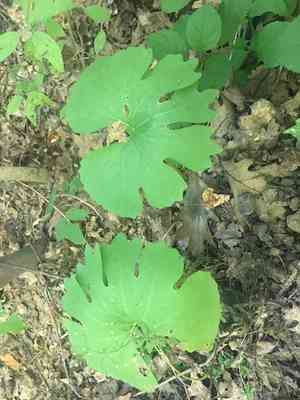
A perennial herbaceous plant indigenous to North America, bloodroot is recognized for its unique white blossoms and reddish underground stems that appear blood-like upon incision. For bloodroot, trimming requirements are slight, primarily involving the elimination of withered or compromised leaves to preserve the plant's well-being and visual appeal. The most suitable times for pruning are during spring and summer, following the blooming period, to prevent interference with its annual developmental pattern. Trimming bloodroot can encourage fresh development and aid in regulating its expansion, which is crucial for handling its robust rhizomes.
What Are the Benefits of Pruning Bloodroot?
What Are the Benefits of Pruning Bloodroot?
Trimming bloodroot promotes robust development and helps preserve its shape. Strategic cuts can revitalize the plant, ensuring vigorous growth and visual appeal.
What Is the Best Time for Pruning Bloodroot?
What Is the Best Time for Pruning Bloodroot?
For bloodroot, the ideal trimming period coincides with the plant's active growth phase after blooming. Pruning in spring, following the flowering period, allows gardeners to remove spent blossoms and any dead or damaged tissue without affecting the potential for the next year's growth. This timing ensures that energy is directed towards new growth and root development, rather than sustaining unnecessary foliage. Trimming during spring also reduces the risk of disease and pest infestation that can be more prevalent in cuts made during warmer, more humid summer months. It is important to avoid pruning in late fall or winter, as bloodroot enters dormancy, and fresh cuts could lead to dieback or frost damage to exposed tissues.
What Tools Do I Need to Prune Bloodroot?
Hand Pruners
Suitable for delicate cuts on bloodroot's thin stems, ensuring minimal harm to the plant.
Gardening Scissors
Allow precision when trimming bloodroot's small leaves or removing spent flowers without disturbing the surrounding foliage.
Garden Gloves
Protects hands from bloodroot's potentially irritating sap during pruning, ensuring safer handling.
Pruning Snips
Ideal for deadheading bloodroot and making fine, clean cuts that promote healthy regrowth.
How to Prune Bloodroot
Clean Tools
Before pruning bloodroot, ensure all pruning tools are clean and sterilized to prevent the spread of disease.
Remove Dead Stems
Carefully identify and remove any dead stems from bloodroot. Make cuts at the base of the stem, close to the ground, using sharp, clean shears.
Trim Damaged Roots
Gently unearth the surrounding soil to expose damaged roots of bloodroot. Trim away any rotted or broken roots with sterilized scissors or shears, making clean cuts to promote healing.
Replant
If root pruning was extensive, replant bloodroot carefully, checking that it is at the original planting depth, and water well to settle the soil around the roots.
Mulch
Apply a layer of mulch around the base of bloodroot to help conserve moisture, maintain soil temperature, and reduce weed competition.
Common Pruning Mistakes with Bloodroot
Overzealous Pruning
One of the common mistakes is removing too much of the plant at once, which can stress bloodroot and inhibit its ability to thrive. Pruning more than one-third of the plant can be detrimental.
Improper Tool Use
Using dull or dirty tools can damage the delicate stems of bloodroot, leading to poor healing and increased vulnerability to diseases.
Removing Healthy Tissue
Another mistake is pruning healthy leaves and stems, which are essential for photosynthesis and the overall energy production of the plant. Only remove damaged or diseased tissue.
Ignoring Plant Structure
Not considering the natural growth habit and structure of bloodroot can result in an unbalanced plant. It's important to maintain its form and encourage a natural appearance.
Pruning At Base
Cutting the stems of bloodroot too close to the ground can damage the crown and the rhizomes, hindering future growth.
Common Pruning Tips for Bloodroot
Sanitize Tools
Before pruning bloodroot, always sanitize your tools to prevent the spread of disease. Use a solution of one part bleach to nine parts water or use rubbing alcohol.
Sharp Tools
Use sharp pruning shears to make clean cuts that heal quickly, minimizing damage and disease risks.
Identify Damaged Tissue
Carefully inspect bloodroot and prune only the damaged, diseased, or dead tissue to maintain the plant's health without over-pruning.
Prune For Airflow
Thin out crowded areas to improve air circulation, which can help prevent fungal diseases. But be careful not to remove too many stems, as bloodroot requires sufficient foliage to thrive.
Cut Above Node
When cutting stems, make the cut just above a node or a set of leaves to encourage new growth in a controlled direction. This will help maintain the plant’s shape.



