How to Prune Scarlet sage?
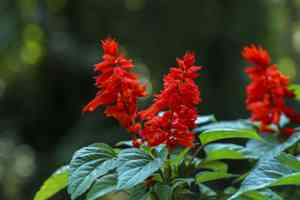
Distinguished by its vivid crimson blossoms and appealing leaves, Salvia splendens flourishes with consistent trimming to preserve its form and stimulate flowering. Snip off withered blooms to encourage uninterrupted blossoming. Reduce stems by approximately one-third in the initial part of spring to foster a denser plant. Throughout the cultivation period, generally from early spring to late autumn, eliminate elongated or discolored stems. Trimming not only boosts its aesthetic appeal but also betters air movement and the plant's well-being. Refrain from extensive winter pruning to safeguard the plant.
What Are the Benefits of Pruning Scarlet Sage?
What Are the Benefits of Pruning Scarlet Sage?
Trimming scarlet sage promotes more robust development by stimulating fresh growth. It also aids in maintaining an appealing form and dense structure, preventing legginess and fostering thicker foliage.
What Is the Best Time for Pruning Scarlet Sage?
What Is the Best Time for Pruning Scarlet Sage?
In early spring, scarlet sage begins its active growth phase. Pruning at this time encourages a more compact growth habit and an increased number of blossoms. It also allows for the removal of any stems damaged over winter, ensuring energy is directed towards healthy development. Late autumn is another suitable period for minor trimming to shape the plant and remove any faded flowers or seed pods, which can enhance its look and prevent unwanted self-seeding. These periods are ideal as they avoid disrupting peak flowering times, ensure the plant's energy is utilized efficiently, and help maintain plant health and vitality.
What Tools Do I Need to Prune Scarlet Sage?
Hand Pruners
Crucial for making precise cuts on scarlet sage, which typically possesses soft stems not requiring heavy-duty equipment. Opt for bypass pruners for clean cuts that support healthy regrowth.
Pruning Shears
Perfect for trimming and shaping scarlet sage due to its herbaceous nature, enabling quick snipping of stems and removal of spent flowers to encourage more blooms.
Gardening Gloves
Shields hands from thorns and plant sap while trimming scarlet sage. Although scarlet sage isn't particularly thorny, gloves can prevent skin irritation and offer a better grip on tools.
Pruning Saw
Generally not needed for scarlet sage, as it is a small plant with relatively slender stems that are easily managed with smaller hand tools.
Secateurs
Another name for hand pruners, secateurs are appropriate for deadheading, shaping, and preserving the overall health of scarlet sage by removing dead or diseased foliage.
How to Prune Scarlet Sage
Step1: Identifying Trimmable Parts
Pinpoint the sections of scarlet sage that need trimming, such as faded flowers, unhealthy foliage, and damaged stems, to encourage vigorous growth and visual appeal.
Step2: Sanitizing Pruning Tools
Disinfect pruning shears or scissors prior to starting to prevent the spread of disease. Use a solution of 1 part bleach to 9 parts water to rinse the tools, then let them air dry.
Step3: Deadheading Spent Blooms
Begin by removing spent blooms. Snip off faded flowers just above the first set of healthy leaves using sharp pruning shears, which will prompt scarlet sage to produce more blossoms.
Step4: Removing Diseased Foliage
Examine scarlet sage for any diseased foliage. Look for leaves that are discolored, spotted, or wilting. Cut the affected foliage back to a point just above a healthy leaf node, ensuring no stubs are left behind, as these can rot.
Step5: Pruning Damaged Stems
Search for compromised stems, identified by breaks, lesions, or indications of pest damage or decay. Trim these stems down to a healthy section, ideally just above a leaf node or lateral branch.
Step6: Shaping the Plant
If shaping is the goal, lightly trim the stems of scarlet sage to maintain the desired form. Shape the plant to promote air circulation and light penetration, which will lessen the likelihood of disease.
Step7: Cleanup of Plant Debris
After trimming, clear away all trimmings from around scarlet sage to minimize the potential for diseases and pests that might be present in the discarded plant material.
Step8: Watering Post-Pruning
Following pruning, adequately water scarlet sage at its base to reduce plant stress and aid its recovery from the trimming process.
Step9: Tool Sterilization During Pruning
Regularly sterilize pruning tools throughout the process, especially when moving between plants or after cutting diseased plant parts, to continue preventing the spread of pathogens.
Step10: Monitoring for Growth and Blooms
Observe scarlet sage after pruning for indications of new growth and flower development, which typically signifies a successful pruning session.
Step11: Fertilizing After Pruning
Finally, apply a balanced, slow-release fertilizer if it is the growing season for scarlet sage to provide additional nutrients that will assist in the plant's recovery and regrowth.
Post-Pruning Care for Scarlet Sage
Post-Pruning Care for Scarlet Sage
After trimming scarlet sage, water thoroughly right away to lessen transplant shock. Maintain moderate humidity and provide bright, indirect light – avoid direct sunlight that could scorch the leaves. Adjust the temperature to a comfortable 65-75°F range. Apply a balanced, water-soluble fertilizer to encourage growth. Monitor scarlet sage for yellowing leaves or rot, which indicate stress or infection. If symptoms appear, adjust care and consult a horticultural expert for appropriate treatment options.
Common Pruning Mistakes with Scarlet Sage
Over-pruning Can Stress and Weaken Plants
Trimming scarlet sage too severely, which can stress the plant and potentially result in weaker, less vigorous regrowth.
Neglecting Deadheading Hinders New Blooms
Ignoring dead or faded flowers, which can prevent scarlet sage from producing new blooms as the plant directs energy towards seed production.
Dull Tools Risk Plant Disease and Stress
Utilizing dull or unclean pruning tools, risking disease introduction and jagged cuts that make scarlet sage vulnerable to pest infestation and stress.
Uninformed Pruning Damages Plant Shape and Health
Trimming without evaluating the plant's form and natural growth habit, leading to an unnatural appearance or harm to the plant's structure.
Skipping Post-Pruning Care Impedes Recovery
Failing to provide scarlet sage with post-trimming care, such as sufficient water and fertilizer, which is crucial for recovery and robust growth.
Common Pruning Tips for Scarlet Sage
Sharp, Clean Shears for Healthier Cuts
Employ sharp, clean pruning shears to make precise cuts on scarlet sage, which will heal faster and reduce plant stress.
Regular Deadheading Promotes More Blooms
Deadhead consistently by removing spent flowers to encourage scarlet sage to produce more blooms and maintain a neat appearance.
Seasonal Light Pruning for Better Shape
Lightly trim scarlet sage throughout the growing season to shape the plant and promote bushier growth, resulting in more flowers.
Pinching Tips Encourages Branching and Blooms
Pinch back the tips of young scarlet sage plants to encourage branching, leading to a fuller plant with more potential flowering sites.
Prune with Natural Plant Contour for Healthy Growth
When trimming for shape, follow the natural outline of scarlet sage, making selective cuts to maintain an aesthetically pleasing form while encouraging healthy growth.



