How to Prune Rosemary?
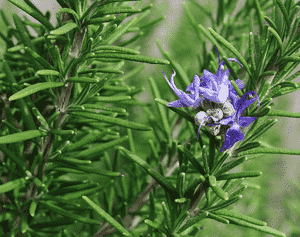
Rosemary, a perennial herb known for its fragrant foliage, thrives with consistent trimming to encourage a dense form and deter the development of woody stalks. Essential methods involve snipping the ends after blooming and eliminating aged or lifeless branches. The most favorable times for pruning are from late spring to early summer, following the flowering period. Important points include utilizing sanitized, sharp cutting tools to avert illness and improving air movement through judicious thinning. Pruning stimulates fresh leaf production, which is crucial for both culinary applications and preserving its visual appeal.
Advantages of Trimming Rosemary
Advantages of Trimming Rosemary
Trimming rosemary promotes abundant flowering and strong vitality by eliminating pest-ridden or diseased foliage, enhancing air circulation, and preventing potential infestations.
Optimal Time for Pruning Rosemary
Optimal Time for Pruning Rosemary
Pruning rosemary from late spring to early summer coincides with the end of its blooming period. This timing allows for the removal of faded flowers and encourages a second flush of blooms in re-blooming varieties. It also avoids cutting off buds that would flower in the current season, which could happen with earlier pruning. Late spring to early summer pruning ensures rosemary's energy is directed towards healthy new foliage, resulting in a denser and more attractive form. Additionally, trimming rosemary after the risk of frost has passed helps protect new growth from cold damage. Pruning during this window also gives rosemary sufficient time to recover and harden off before the colder months, which is vital for its overall health and winter survival.
Essential Tools for Rosemary Pruning
Hand Pruners
Hand pruners are perfect for cutting through rosemary's woody stems without crushing the plant tissue. Opt for bypass pruners, which make clean cuts and are easier to use in tight spaces.
Shears
For shaping rosemary and removing larger sections of foliage, shears can be used to ensure uniform growth and maintain the desired form. Shears enable quick, straight cuts across multiple stems.
Gloves
While not a pruning tool itself, wearing gloves is crucial when pruning rosemary to shield hands from sharp edges and the plant's natural oils, which can irritate the skin.
How to Prune Rosemary
Step1: Timing Pruning Post-Frost
Determine the best time of year for pruning rosemary. This is typically after the last frost and before it blooms in early spring. Pruning at this time ensures the plant's energy is directed to new growth and helps prevent cold weather damage.
Step2: Dead Shoots Removal
Inspect rosemary for dead shoots, which appear brown and brittle. These can be removed at any time of year. Use sanitized, sharp pruning shears for clean cuts.
Step3: Angled Cutting of Dead Shoots
Remove dead shoots by cutting them at their base where they connect to a main stem or just above the ground. Make the cut at a slight angle to prevent water accumulation on the cut surface and promote healing.
Step4: Flower Bud Thinning
Check for flower buds. If pruning in early spring, selectively remove flower buds to shape the plant and encourage foliage production over flowering, if desired. Cut each bud just above a leaf node.
Step5: Woody Stem Rejuvenation
Examine rosemary for woody stems, which may require rejuvenation pruning. Woody stems have a thick, bark-like appearance and may not produce new shoots as effectively as younger stems. Prune these sparingly to maintain the plant's shape and health.
Step6: Pruning Older Woody Stems
To rejuvenate woody stems, cut back up to one-third of the older stems at a 45-degree angle, about 5-6 inches from the ground or from a main branching point. This encourages new growth from the plant's base.
Step7: Plant Shaping and Trimming
Shape rosemary by selectively trimming overgrown areas to maintain an appealing form. Follow the plant's natural shape, and do not remove more than one-third of the plant's overall foliage at once, as this can stress the plant.
Step8: Pruning Waste Disposal
Properly dispose of all cuttings to prevent disease spread, and clean pruning shears with disinfectant to maintain blade hygiene.
Step9: Post-Pruning Care
After pruning, water rosemary appropriately and provide any necessary fertilizer to support new growth and the plant's overall health.
Rosemary Care After Pruning
Rosemary Care After Pruning
After pruning rosemary, immediately water the plant to reduce stress and aid recovery. Maintain a sunny environment, ensuring at least 6-8 hours of light daily while protecting rosemary from extreme temperatures. Adjust humidity levels if indoor to prevent mold. Apply a balanced fertilizer to replenish nutrients but avoid over-fertilization which can harm rosemary. Monitor for wilted leaves or discoloration as signs of stress, and if detected, adjust care. Isolate rosemary if pest presence or infection signs occur and treat accordingly.
Common Pruning Errors with Rosemary
Excessive Pruning Leading to Sparse Recovery
Pruning too aggressively, where too much of rosemary is cut back, can result in poor plant recovery and sparse growth.
Incorrect Cutting Preventing Regrowth
Cutting into the woody, inactive growth areas of rosemary can prevent the plant from sprouting new shoots, as rosemary typically does not regenerate from old wood.
Using Dull Tools Risks Plant Disease
Failing to use clean, sharp pruning tools can lead to jagged cuts that are more susceptible to diseases and may hinder rosemary's healing process.
Pruning without a Plan Affects Bloom
Pruning without a clear objective or strategy can result in an undesirable plant shape or size, and may reduce the number of blooms produced by rosemary.
Overlooking Damaged Stems Compromises Health
Ignoring dead, diseased, or damaged stems during regular rosemary maintenance can negatively impact the plant's overall health and appearance.
General Pruning Advice for Rosemary
Clean Cuts with Sharp Tools Aid Healing
Utilize clean, sharp tools to make precise cuts on rosemary, which will help prevent disease and encourage rapid healing.
Remove Damaged Stems to Promote Health
When pruning rosemary, prioritize removing dead, damaged, or diseased stems first to maintain plant health and encourage new growth.
Light Trimming Stimulates Bushier Growth
Regularly prune rosemary for shape and size control by trimming lightly around the edges, ensuring to cut just above a leaf node to stimulate new, bushier growth.
Thinning Branches to Enhance Air Circulation
Thin out crowded branches of rosemary to improve air circulation, which can decrease the likelihood of disease outbreaks and pest infestations.
Prune After Flowering for Second Bloom
After flowering, lightly prune rosemary to remove spent blooms and encourage a second flowering, while shaping the plant and promoting dense, lush foliage.
Avoid Cutting Old Wood to Encourage Growth
Avoid cutting into the thick, woody base of older rosemary stems, as this can hinder new growth; only prune into the lighter, green stems where active growth occurs.



