How to Prune Meadow sage?
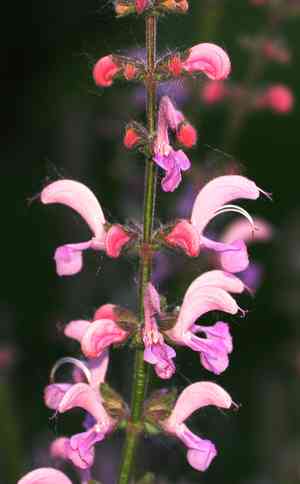
A robust perennial, Salvia pratensis is recognized for its vibrant blue blossoms and medicinal applications. Trim after the initial flowering period to stimulate a subsequent flush of blooms. Sever aged stalks at ground level in early spring to foster renewed vitality. Critical periods extend from the beginning of spring through the end of autumn. Strategic cutting improves air circulation, discourages infestations, and encourages robust development. Removing faded blooms preserves aesthetic appeal and plant health.
What Are the Benefits of Pruning Meadow Sage?
What Are the Benefits of Pruning Meadow Sage?
Trimming meadow sage promotes abundant blossoms, encourages vigorous development, and maintains a compact, attractive shape. This specific care prevents excessive growth, ensuring meadow sage flourishes robustly.
What Is the Best Time for Pruning Meadow Sage?
What Is the Best Time for Pruning Meadow Sage?
Pruning meadow sage in early spring promotes healthy new growth by eliminating old, dead, or diseased stems before the plant's active growth period. This timing allows meadow sage to channel energy into developing strong shoots and flowers. Late fall pruning is advantageous as it helps preserve the plant's form and prevents it from becoming too woody, by cutting back spent flowers and seed heads after meadow sage has finished its blooming cycle. This also reduces the likelihood of disease and pest infestations that can occur if old growth is left over the winter.
What Tools Do I Need to Prune Meadow Sage?
Hand Pruners
Perfect for making clean cuts on meadow sage's stems, hand pruners or secateurs enable gardeners to precisely remove faded flowers and shape the plant. Opt for bypass pruners over anvil types, as they deliver a clean cut without crushing stem tissues, fostering healthier regrowth.
Pruning Shears
For shaping and trimming meadow sage to maintain its desired size and form, pruning shears are effective for cutting back multiple stems at once comfortably. Look for shears with sharp, stainless steel blades for durability and easy upkeep.
Garden Scissors
When deadheading meadow sage or snipping off small, delicate growths, garden scissors provide control and accuracy. Their smaller blades are ideal for reaching into dense foliage without harming adjacent stems or leaves.
Gloves
Protect your hands from scratches and sap while working on meadow sage, which can be slightly sticky. Gloves also offer a better grip on tools, enhancing safety and control during the pruning process.
How to Prune Meadow Sage
Step1: Tool Sanitization and Sharpening
Disinfect your pruning tools using a solution of one part bleach to nine parts water to prevent disease transmission. Ensure tools are sharp to make clean cuts without harming meadow sage.
Step2: Timing for Pruning
Wait until late winter or early spring, just as new growth begins, to start pruning meadow sage. This timing helps encourage vigorous flowering and healthy development during the growing season.
Step3: Identifying Dead Flowers
Locate dead flowers that need to be removed from meadow sage. Dead flowers will appear faded, wilted, and may have dried petals or seed heads.
Step4: Deadheading Spent Blooms
Remove spent blooms by cutting the flower stalks back to just above a set of leaves or a new flower bud, using hand pruners. Make cuts at a 45-degree angle to allow water to drain off the stub and reduce disease risk.
Step5: Spotting Old Growth
Identify old stems on meadow sage that appear woody, brittle, and lack new growth. These stems can be distinguished from new growth by their thicker, harder texture and absence of green vitality.
Step6: Pruning Woody Stems
Cut back the old stems to their base where they emerge from the ground or to the basal growth. Make precise cuts to avoid damaging new foliage or nearby healthy stems of meadow sage.
Step7: Thinning for Air Circulation
Thin out crowded areas to enhance air circulation around meadow sage, which can help prevent fungal diseases. Remove any weak or crossing stems that might hinder the plant's overall health and shape.
Step8: Debris Disposal
After completing the pruning process, collect and discard the removed plant debris to help prevent disease and pest issues in the garden area surrounding meadow sage.
Step9: Post-Pruning Watering
Water the base of meadow sage lightly to encourage new growth, being careful not to overwater, which can lead to root rot.
Step10: Ongoing Pruning Maintenance
Monitor meadow sage after pruning and continue to remove any additional dead flowers or old stems that were missed or develop as the growing season progresses. This will promote continued flowering and keep meadow sage looking its best.
Post-Pruning Care for Meadow Sage
Post-Pruning Care for Meadow Sage
Immediately after pruning meadow sage, ensure ample light exposure but avoid intense direct sunlight. Maintain moderate humidity and a stable temperature to prevent stress. Begin a balanced, slow-release fertilization regimen to promote recovery and growth. Regularly inspect meadow sage for signs of stress, such as wilting or discoloration, and for infection indicators like spots or decay. If symptoms appear, address promptly with appropriate plant health measures. Consistent monitoring and responsive care will support meadow sage's healthy post-pruning development.
Common Pruning Mistakes with Meadow Sage
Over-Pruning in a Single Session
Removing too much of the plant in one go, which can stress meadow sage and potentially lead to poor health or reduced flowering.
Improper Cutting into Old Wood
Cutting into old wood where new growth is unlikely to occur, as meadow sage typically flowers on new growth.
Using Unsanitized or Dull Pruning Tools
Using dirty or dull tools which can damage the stems of meadow sage and introduce disease.
Failing to Remove Dead or Diseased Foliage
Neglecting to remove dead or diseased foliage, which can inhibit new growth and spread pests or diseases throughout meadow sage.
Tearing Stems Instead of Clean Cuts
Tearing or ripping stems instead of making clean cuts, which can lead to more damage and hinder the healing process of meadow sage.
Common Pruning Tips for Meadow Sage
Use Sterilized, Sharp Pruning Shears
Use clean, sharp pruning shears to make precise cuts on meadow sage, which will help prevent damage and disease.
Prune Above Leaves or Nodes for Bushiness
Make cuts just above a set of leaves or nodes, encouraging meadow sage to produce multiple stems for a bushier appearance and more blooms.
Consistently Deadhead for New Blooms
Regularly deadhead spent flowers to stimulate meadow sage to produce new blooms and maintain a tidy appearance.
Thin Overcrowded Areas to Increase Airflow
Thin out overcrowded areas by selectively removing some stems at their base to improve air circulation, which is crucial for preventing diseases on meadow sage.
Prune After Flowering for Second Bloom Wave
Cut back meadow sage plants after flowering to promote a second flush of blooms and tidy up the plant's overall shape.



