How to Prune Sage?
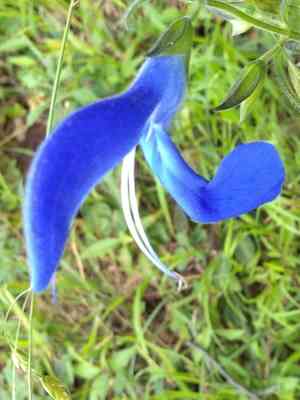
A perennial plant known for its impressive blossoms, sage flourishes with post-flowering trimming to stimulate a subsequent bloom. Remove faded flowers during the summer; reduce its size by one-third in autumn for winter survival. Perform a light trim in spring to encourage development. Pruning enhances air movement and plant robustness, lowering the chance of illness. Always employ sanitized, keen implements to lessen trauma and facilitate rapid recovery.
Advantages of Trimming Sage
Advantages of Trimming Sage
Trimming sage promotes abundant flowering and robust development. Strategic cutting back helps maintain a desired form, ensuring sage remains both visually appealing and thriving.
Optimal Time for Trimming Sage
Optimal Time for Trimming Sage
Trimming in spring allows sage to direct energy towards new growth after removing any dead or damaged stems from winter. Late summer trimming aids in shape upkeep and encourages a second bloom, as sage can flower multiple times if spent blossoms are regularly removed. Early autumn trimming is beneficial for eliminating faded flowers and preventing potential disease issues, but should be done well before any frost risk to avoid harming new growth susceptible to cold temperatures.
Necessary Tools for Trimming Sage
Bypass Pruners
These pruners are suitable for cutting through sage's soft green stems without crushing them. Their sharp, scissor-like action creates clean cuts, crucial for the plant's healthy regrowth.
Snips or Micro-Tip Pruning Snips
For precise trimming of sage's smaller stems and delicate foliage, these tools offer greater control and are less likely to damage the plant's structure.
Pruning Gloves
Gardening gloves with a good grip can protect your hands while handling sage and ensure you can make accurate cuts without slipping.
Garden Shears
If you need to shape larger areas or cut back multiple sage stems simultaneously, garden shears may be more efficient. They are ideal for shaping and maintaining the plant's bushy structure.
How to Trim Sage
Cleaning tools
Sanitize your pruning shears with isopropyl alcohol to prevent spreading diseases to sage.
Remove diseased leaves
Carefully prune away diseased leaves from sage, making sure to cut at the base of the leaf to remove the entire leaf and stem if necessary.
Remove withered leaves
Trim off withered leaves from sage to promote healthy growth and air circulation, cutting close to the main stem without damaging it.
Remove withered flower
Deadhead withered flowers by snipping them off just below the flower head or above the first set of full, healthy leaves to encourage more blooms and maintain a tidy appearance.
Dispose of trimmed parts
Collect and dispose of all removed material away from sage to prevent any potential re-infection or pest attraction.
Common Trimming Errors with Sage
Overpruning
Removing too much foliage from sage can weaken the plant, diminish its flowering potential, and make it more prone to diseases.
Blunt tools
Using dull or unclean pruning tools can damage the stems of sage, leading to ragged cuts that are vulnerable to infection.
Cutting too close
Pruning too close to the main stems or cutting into woody growth can harm sage, potentially causing dieback or disease entry points.
Pruning during active growth
Though not specified to exclude, pruning sage while it is actively growing can disrupt its growth cycle and reduce flowering.
Neglecting to prune
Failing to prune sage can result in leggy, overgrown plants with fewer flowers and potentially weaker stems.
Uneven pruning
Pruning sage unevenly can lead to an unbalanced shape and may impact the overall aesthetic and health of the plant.
Common Trimming Advice for Sage
Clean cuts
Ensure that cuts made on sage are clean and at a 45-degree angle to promote quick healing and prevent water accumulation that could cause rot.
Sanitize tools
Before pruning sage, clean and sanitize your tools to prevent the spread of disease between plants.
Thin out
Thin out crowded areas of sage to increase air circulation and sunlight penetration, which are vital for healthy growth and blooming.
Shape maintenance
Regularly prune sage to maintain its shape and encourage the growth of new, vibrant blooms. Moderation is key to preventing overpruning.
Deadheading
Remove spent blooms of sage to promote the production of new flowers and to keep the plant looking tidy.
Prune to nodes
When pruning sage, make cuts just above leaf nodes to stimulate new growth in the desired direction.



