How to Prune Common sage?
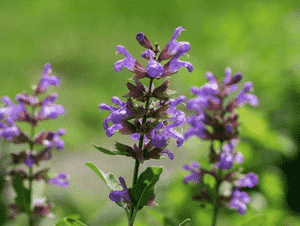
Renowned for its fragrant foliage and therapeutic qualities, garden sage flourishes with consistent shaping. Essential pruning methods involve eliminating faded blossoms to foster a fuller form and reducing its size by one-third in late spring to boost vitality. The ideal time for trimming is after blooming and prior to fresh development in spring. Particular considerations are few â focus on gentle shaping and preserving overall health. Advantages of appropriate pruning encompass improved air movement, averting ailments, and encouraging robust, fruitful development.
What Are the Benefits of Pruning Common Sage?
What Are the Benefits of Pruning Common Sage?
Trimming common sage encourages a burst of fresh, aromatic leaves and promotes robust development. By selectively cutting back, gardeners can cultivate a denser form and enhance flowering, ensuring common sage remains compact and appealing.
What Is the Best Time for Pruning Common Sage?
What Is the Best Time for Pruning Common Sage?
Pruning in spring allows for the removal of winter damage and shaping before a period of vigorous growth. Early summer pruning is ideal for encouraging a second bloom and maintaining plant health by eliminating spent flowers and any dense or lifeless growth. Pruning common sage outside these times can lead to fewer flowers or expose the plant to harsh weather, potentially harming its vitality. Always ensure pruning avoids extreme heat, cold, or damp conditions, to prevent stress and disease susceptibility.
What Tools Do I Need to Prune Common Sage?
Hand Pruners
Perfect for snipping small stems and leaves on common sage. Their sharp blades ensure clean cuts without harming the plant's woody structure.
Shears
Excellent for shaping and maintaining the thick foliage of common sage. They enable quick, precise trimming of multiple stems simultaneously.
Pruning Saw
Useful for cutting through thicker, older branches of common sage, which might be too large for hand pruners or shears.
Gloves
Not a cutting tool, but vital for protecting hands from common sage's sometimes rough or woody stems and any potential skin irritants.
How to Prune Common Sage
Step1: Timing and Tool Preparation
Begin pruning common sage in early spring to stimulate new growth or after flowering to encourage a second bloom. Ensure tools are clean and sharp for precise cuts and disease prevention.
Step2: Identifying Dead Stems
Identify dead stems on common sage; they will appear woody, lacking green growth. These can be cut back to the plant's base to promote healthy growth and air circulation.
Step3: Pruning Damaged Stems
Locate damaged stems on common sage, which may be broken, split, or otherwise harmed by weather or pests. Prune these back to a healthy set of leaves or to the base, depending on the extent of damage.
Step4: Removing Old Growth
Examine common sage for old growth (older, woody stems with reduced leaf production). These stems can be safely removed or cut back by one-third to one-half to rejuvenate the plant.
Step5: Shaping and Cutting Angles
When shaping common sage, cut above a leaf node or pair of leaves to encourage bushy growth. Stems should be cut at a 45-degree angle to prevent water from collecting on the cut surface and promoting rot.
Step6: Final Shape Evaluation
After pruning dead, damaged, and old growth, step back and assess the shape of common sage. Trim any outliers to maintain a pleasing, rounded form.
Step7: Cleanup of Clippings
Remove all clippings from around the base of common sage to prevent disease and deter pests. This also keeps the area tidy and reduces the chance of fungal growth.
Step8: Post-Pruning Hydration
Water common sage thoroughly after pruning to aid its recovery and help it settle into its new shape. Ensure the soil is well-draining to avoid root rot.
Post-Pruning Care for Common Sage
Post-Pruning Care for Common Sage
After pruning common sage, ensure it is in well-draining soil, with full sun to partial shade exposure to aid recovery. Maintain moderate humidity and avoid temperature extremes. Post-pruning, supplement with a balanced, slow-release fertilizer to support regrowth. Regularly check for signs of stress, such as wilting or discoloration, and signs of infection like unusual spots. If detected, adjust care and possibly apply an organic fungicide. Consistent, careful monitoring is crucial for common sage's post-pruning success.
Common Pruning Mistakes with Common Sage
Over-Pruning in One Session
Removing too much at once, exceeding one-third of common sage's total growth, which can stress the plant and potentially lead to poor health or development.
Cutting into Non-Regenerative Woody Base
Cutting into the woody base of the plant where no new leaves or shoots can emerge, as common sage does not typically regrow from old wood.
Using Dull or Dirty Tools
Employing dull or unclean pruning tools, which can result in jagged cuts that are more susceptible to disease and may hinder the plant's ability to recover quickly.
Ignoring Dead or Diseased Growth
Failing to remove dead or diseased leaves and stems, which can diminish the overall vitality of common sage and may lead to further disease spread.
Disregarding Plant's Natural Shape When Pruning
Pruning without considering the natural form of common sage, resulting in an unattractive appearance and possibly impeding the plant's natural growth pattern.
Common Pruning Tips for Common Sage
Clean and Sharp Cuts for Healthier Healing
Use sharp, clean shears to make precise cuts on common sage, which helps the plant heal faster and reduces the risk of disease transmission.
Shape and Health Focused Pruning
Prune for shape and health by cutting back to a set of leaves, encouraging bushier growth and preventing common sage from becoming leggy.
Stimulating Growth by Pinching Stem Tips
Pinch off the tips of the stems, especially after a flush of blooms, to stimulate branching and the production of fresh foliage.
Removing Dead Leaves for Plant Vigor
Regularly remove any dead or yellowing leaves and faded flowers to maintain the vigor and aesthetic appeal of common sage.
Thinning Over Shearing for Natural Appearance
Focus on thinning rather than shearing when pruning common sage, to achieve a more natural look and to allow sunlight and air to penetrate the plant, reducing the risk of disease.



