How to Prune Woodland sage?
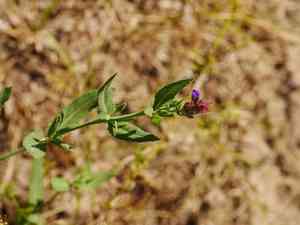
Cherished for its fragrant leaves and vibrant flower spikes, woodland sage flourishes with consistent trimming. The beginning of spring is perfect for removing deceased growth, boosting vitality, and preserving its form. Removing faded blossoms until late autumn promotes subsequent flowering and deters self-propagation. Trimming revitalizes development, guaranteeing a dense structure and optimizing its blooming capacity. Ensure your tools are disinfected to avert the transmission of illness when tending to this resilient perennial.
What Are the Benefits of Pruning Woodland Sage?
What Are the Benefits of Pruning Woodland Sage?
Trimming woodland sage promotes a more abundant flowering period, encourages vigorous development, and preserves its attractive shape. Removing faded blooms and cutting back growth leads to a denser, healthier plant that resists pests and diseases.
What Is the Best Time for Pruning Woodland Sage?
What Is the Best Time for Pruning Woodland Sage?
Pruning woodland sage in early spring is ideal as it stimulates new growth and helps maintain a compact, fuller plant shape. It also allows for the removal of any dead or damaged stems from winter, which can help prevent disease and pests. Late fall, after flowering, is another good time for pruning. This helps remove spent flower stems, improving air circulation and potentially boosting the plant's vigor for the next season. Pruning at these times aligns with the growth cycle of woodland sage, ensuring optimal plant health and flowering.
What Tools Do I Need to Prune Woodland Sage?
Bypass Pruners
Perfect for making clean cuts on green or live stems of woodland sage without crushing plant tissues, aiding healthy regrowth.
Gardening Gloves
Protects hands from thorns and the sap of woodland sage, which might irritate some gardeners' skin.
Pruning Shears
Useful for shaping woodland sage and removing spent flower spikes, encouraging a second bloom and maintaining plant vitality.
Long-Handled Loppers
Allows reaching and cutting thicker stems of woodland sage that are beyond hand pruner reach without back strain.
Garden Scissors
Suitable for deadheading woodland sage and precise trimming of smaller areas difficult to access with larger tools.
How to Prune Woodland Sage
Step1: Assess plant for pruning
At the start of the growing season, inspect woodland sage for any signs of dead flowers, damaged stems, or old wood to determine the necessary extent of pruning.
Step2: Deadheading flowers
To remove dead flowers, use clean, sharp pruning shears or scissors. Cut flower stems back to the plant's base or to the nearest set of new budding leaves to encourage bushier growth and potentially more blooms.
Step3: Removing damaged stems
Examine woodland sage for damaged stems, including those that are broken, diseased, or appear unhealthy. Make the cut 1-2 inches into healthy tissue below the damaged area to prevent disease spread and promote new growth.
Step4: Cutting back old wood
Identify old wood by looking for stems that did not produce new growth or flowers in the previous season. Old wood typically appears more rigid and dull. Cut these stems back to the ground or to where they meet newer, healthy growth.
Step5: Shaping the plant
After pruning for health, you can shape woodland sage by selectively trimming for a more compact and aesthetically pleasing form. Avoid cutting into the newest growth if you aim to maintain size and volume.
Step6: Tool sterilization
Clean your tools after pruning woodland sage to prevent the spread of disease to other plants. Sterilize your shears with alcohol or a bleach solution, especially when moving between different plants.
Step7: Disposal of pruned materials
Properly dispose of pruned material to avoid potential disease or pest issues. Composting is often suitable, except for diseased or heavily infested plant parts, which should be discarded securely.
Step8: Post-pruning watering
Water woodland sage thoroughly after pruning to help reduce stress and encourage recovery, ensuring water reaches the root zone without soaking the foliage.
Step9: Growth monitoring and fertilization
Monitor woodland sage for new growth after pruning. Apply a balanced fertilizer if needed to provide essential nutrients that promote healthy growth and flower production.
Post-Pruning Care for Woodland Sage
Post-Pruning Care for Woodland Sage
Immediately after pruning woodland sage, water the plant deeply to alleviate stress. Ensure woodland sage receives adequate light; full sun to partial shade is optimal. Maintain ambient humidity and temperature, avoiding extremes. Apply a balanced, slow-release fertilizer to encourage healthy regrowth. Regularly inspect woodland sage for any signs of stress or infection, such as discolored leaves or wilting. If any issues are detected, treat promptly with appropriate fungicides or pest control measures.
Common Pruning Mistakes with Woodland Sage
Excessive Pruning Stress
Pruning too much at once, which can stress woodland sage and hinder its ability to flourish.
Improper Tool Maintenance
Using dull or unclean pruning tools, which can damage woodland sage's stems and make the plant vulnerable to diseases.
Failing to Deadhead
Neglecting to remove dead or faded flowers, leading to reduced blooming and potential for unwanted self-seeding.
Disregarding Natural Shape
Ignoring the plant's inherent form and size, which can result in an unattractive appearance and potentially harm its growth pattern.
Lifecycle-Unaware Pruning
Pruning without considering the plant's life cycle, removing stems that could have produced flowers in the next blooming cycle.
Common Pruning Tips for Woodland Sage
Encourage Blooms by Deadheading
Regularly remove spent flowers from woodland sage to promote continuous blooming throughout the growing season.
Use Sharp and Sterilized Shears
Ensure you use sharp and sterilized pruning shears to guarantee clean cuts and minimize the risk of spreading plant diseases.
Promote Reblooming with Strategic Cutting
Cut back the entire plant by about one-third to one-half after the initial flush of flowers has faded, to encourage a second bloom and maintain a compact form.
Prune Damaged Parts for Healthy Growth
In cases of damage from frost or other environmental stressors, selectively prune damaged parts of woodland sage to help initiate new healthy growth.
Prune Above New Growth
Always check the base of woodland sage for new growth and prune just above these points to avoid cutting into the new developing stems.



