How to Prune Purple sage?
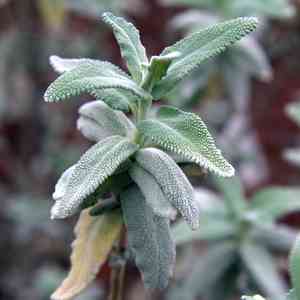
A resilient evergreen bush, recognized for its fragrant grayish-green leaves and violet blossoms. For purple sage, perform light trimming following its blooming period to preserve its form and foster compact development. The most suitable time for pruning is in late spring or early summer, coinciding with its post-flowering recovery. Refrain from severe cutting to prevent the plant from becoming overly woody. Pruning aids purple sage by improving its aesthetic appeal and encouraging more robust, healthier specimens. Consistent removal of faded blooms can also extend the flowering duration.
What Are the Benefits of Pruning Purple Sage?
What Are the Benefits of Pruning Purple Sage?
Trimming purple sage encourages more abundant blooms while also helping to prevent pests and illnesses by eliminating old and potentially infected parts, thereby sustaining plant vitality and aesthetic appeal.
What Is the Best Time for Pruning Purple Sage?
What Is the Best Time for Pruning Purple Sage?
Pruning purple sage from late spring to early summer is optimal as this period coincides with the conclusion of its active growth phase and prepares the plant for the upcoming flowering cycle. Trimming during this window aids in stimulating new growth and bloom development, ensuring the plant retains a desirable shape and size. It also allows gardeners to remove any winter frost damage, which is especially crucial for purple sage given its origins in regions with mild winters. Furthermore, this timing minimizes the risk of disease and pest infestation, which can be more prevalent when cuts are made during wetter or colder seasons. Pruning after the plant has expended significant energy on spring growth but before it fully enters the blooming phase will support the health of purple sage and promote lush foliage and vibrant blooms.
What Tools Do I Need to Prune Purple Sage?
Bypass Pruners
Perfect for making clean, precise cuts on purple sage's smaller stems and branches. They operate like scissors, with two curved blades that pass each other, reducing the chance of plant harm.
Garden Shears
Recommended for shaping purple sage's foliage and cutting through multiple thin stems simultaneously. These larger shears are suitable for maintaining the plant's overall neatness and form.
Loppers
Suitable for reaching into purple sage's denser areas and trimming thicker branches. Their long handles provide leverage, making it easier to prune without applying excessive force.
Pruning Saw
Appropriate for cutting mature, woody stems of purple sage that have grown too thick for other tools. A pruning saw's sharp teeth can handle larger branches, helping to prevent tearing and promote healing.
Gloves
While not a cutting tool, gloves are essential for protecting the gardener's hands from the stickiness of purple sage's foliage and potential scrapes during pruning.
How to Prune Purple Sage
Disinfect Tools
Before beginning, ensure all pruning tools are sanitized to prevent the spread of disease to purple sage.
Remove Diseased Material
Carefully cut off all diseased leaves and branches from purple sage, making clean cuts close to the base of each affected part without harming healthy tissue.
Trim Dead Material
Trim away any dead branches or withered leaves and flowers, which can be identified by their dry, brittle texture and faded color, to promote healthy growth and improve air circulation for purple sage.
Control Growth
Prune back excessive growth branches to maintain the desired shape and size of purple sage, removing no more than a third of the plant's total growth to avoid stress.
Clean Up
After pruning, clean up and dispose of all removed plant material properly to reduce the risk of disease and encourage a tidy growing area for purple sage.
Common Pruning Mistakes with Purple Sage
Over Pruning
Removing too much growth in one session can stress and weaken purple sage, potentially leading to sparse foliage and fewer flowers.
Cutting Into Old Wood
Purple sage's new growth occurs on new wood, so cutting into old, woody stems might not produce new shoots, which diminishes future flowering potential.
Pruning During Active Growth
Pruning purple sage while it's actively growing can interrupt its growth cycle and reduce flowering.
Poor Tool Selection
Using dull or unclean tools can damage the stems of purple sage, making them susceptible to disease.
Neglecting To Shape
Failing to consider the natural shape of purple sage during pruning may result in an unbalanced and unattractive form.
Common Pruning Tips for Purple Sage
Selective Pruning
Cut back spent flowers and selectively thin out crowded areas to encourage air circulation and light penetration, which promotes healthy growth in purple sage.
Appropriate Cut Technique
Make clean, diagonal cuts just above the leaf nodes to encourage purple sage to produce more lateral growth and become bushier.
Regular Maintenance
Regularly remove dead or diseased branches from purple sage to maintain plant health and vigor.
Post-Bloom Pruning
Trimming purple sage back after flowering can stimulate a second bloom and help maintain a compact form.
Balance Natural Form
While shaping purple sage, aim to balance its natural form, lightly pruning uneven areas without overcorrecting.



