How to Prune East asian sage?
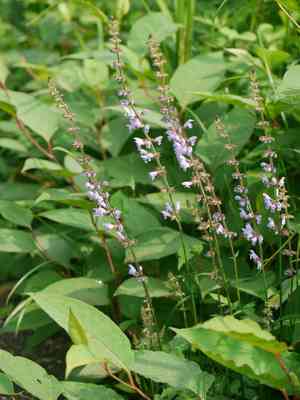
This enduring herb flourishes in soil that drains effectively and is recognized for its striking blossoms. For east asian sage, perform a gentle trim following the blooming period to foster a fuller form and eliminate faded flowers. A more substantial cut in early spring stimulates robust development and preserves its structure. Refrain from autumn pruning to avert harm from winter's chill. Consistent removal of spent flowers boosts blooming, while deliberate reduction can revitalize mature specimens and deter the formation of woody stalks. Pruning is essential for a compact, vibrant look and extended flowering durations for east asian sage.
Advantages of Trimming East Asian Sage
Advantages of Trimming East Asian Sage
Trimming east asian sage promotes more vigorous and healthier development, and stimulates blooming. It assists in preserving its desired form and dimensions, ensuring east asian sage remains visually appealing and well-proportioned within the garden.
Optimal Time for Trimming East Asian Sage
Optimal Time for Trimming East Asian Sage
Trimming in spring enables east asian sage to recuperate and grow robustly as the active growth period commences. Early summer trimming is ideal for shaping east asian sage following spring growth and for removing any faded flowers, encouraging a second flush of blooms. Autumn trimming is appropriate for eliminating dead or diseased foliage and to prepare east asian sage for winter without impacting the subsequent season's growth, provided it's done before frost arrives.
Necessary Tools for Trimming East Asian Sage
Hand Pruners
Ideal for precise trimming of east asian sage's tender stems and for deadheading. They provide a clean cut that helps prevent harm to the plant's structure.
Pruning Shears
East asian sage benefits from occasional reduction of overgrown sections. Pruning shears offer enhanced control and can easily cut through the plant's stems without causing undue stress.
Gardening Gloves
Protection for the gardener when handling east asian sage, particularly when dealing with varieties that might possess slightly prickly leaves or stems.
How to Trim East Asian Sage
Sanitize tools
Prior to trimming east asian sage, clean all pruning implements with a solution of 1 part bleach to 9 parts water to prevent the spread of pathogens.
Remove Diseased Foliage
Carefully cut off diseased leaves from east asian sage at their base, using angled cuts to avoid damage to the main stem. This helps prevent the spread of infection.
Trim Withered Leaves
Remove withered leaves to encourage healthier growth and appearance. Make cuts close to the stem, ensuring not to harm new buds or growth.
Deadhead Flowers
Snip off faded flowers down to the nearest set of leaves on east asian sage to encourage new blooms and prevent the plant from allocating energy to seed production.
Overall Form
Assess the overall shape and health of east asian sage after removing diseased and withered parts. Trim any overgrown areas to maintain a balanced shape, cutting back to a set of leaves or side shoot.
Common Trimming Errors with East Asian Sage
Excessive trimming
Removing too much of east asian sage's foliage at once can stress the plant, making it vulnerable to disease and stunted development.
Cutting into mature wood
Trimming into old, woody stems of east asian sage may not result in new growth, as this species typically generates new shoots from the base or newer growth.
Neglecting deadheads
Failing to remove spent flowers (deadheading) can lead to fewer blooms, since east asian sage will direct energy into seed production rather than flowering.
Trimming all stems uniformly
Treating all stems the same during trimming doesn't account for east asian sage's varying needs based on the age and position of each stem.
Using dull tools
Trimming with dull or unclean tools can result in jagged cuts or introduce disease, hindering east asian sage's recovery and growth.
General Trimming Advice for East Asian Sage
Selective trimming
Trim east asian sage by selectively removing dead or weak stems to maintain plant health and encourage air circulation within the foliage.
Promote new growth
Encourage fresh growth by cutting back stems that have finished flowering, taking care to make cuts above new leaf nodes to stimulate east asian sage's rejuvenation.
Deadheading
Regularly remove spent blooms on east asian sage to encourage continuous blooming throughout the growing season.
Thinning
Thin out crowded areas of east asian sage to prevent fungal infections and to ensure each stem receives adequate light and airflow.
Clean cuts
Use sharp, clean pruning shears to make clean cuts, which will heal faster and reduce the risk of infection for east asian sage.



