How to Prune Autumn sage?
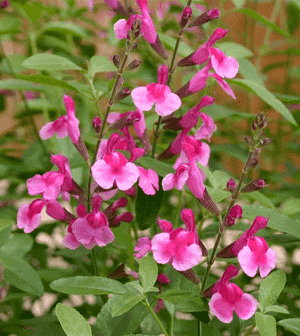
Salvia greggii, a resilient perennial shrub recognized for its vivid flowers and fragrant leaves, greatly benefits from regular trimming. To preserve its form and encourage more compact development, perform light pruning periodically throughout the year. More substantial cuts are best executed in late winter to stimulate the emergence of spring blooms. Removing faded flowers promotes a continuous display of new blossoms. Refrain from significant pruning during summer, as this can cause stress to Salvia greggii during periods of intense heat. Consistent pruning also deters excessive woody growth, contributing to a vibrant, thriving specimen.
What Are the Benefits of Pruning Autumn Sage?
What Are the Benefits of Pruning Autumn Sage?
Trimming autumn sage encourages more abundant flowering, promotes robust development, and maintains a compact, appealing form. This vital practice helps autumn sage thrive and enhances its decorative presence in the garden.
What Is the Best Time for Pruning Autumn Sage?
What Is the Best Time for Pruning Autumn Sage?
Trimming autumn sage in late winter to early spring allows gardeners to remove any dead or damaged branches before the plant begins actively growing, promoting healthier and more robust growth. During this period, the plant is still dormant, and cutting back at this time helps to stimulate new growth that will produce flowers. It is also easier to see the structure of the plant without leaves, making it simpler to shape the plant and maintain its size. Light pruning throughout the growing season can be done to encourage bushiness and prevent autumn sage from becoming leggy. This also allows for the removal of spent flowers to promote continuous blooming, as autumn sage typically flowers on new growth. It's important not to prune too late in the season, as this can encourage tender new growth that may be damaged by early frost.
What Tools Do I Need to Prune Autumn Sage?
Hand pruners
Perfect for making precise cuts on the slender stems of autumn sage, fostering healthy regrowth.
Pruning shears
Effective for shaping autumn sage during its active growth phase, ensuring a more dense and bushy appearance.
Garden gloves
Offer hand protection from thorns and rough stems while trimming autumn sage.
Sharpening tool
Keeps cutting implements sharp to ensure clean cuts and prevent harm to autumn sage's stems.
How to Prune Autumn Sage
Step1: Timing Pruning Session
Choose the appropriate time for trimming autumn sage, ideally in late winter or early spring just before new growth emerges. Avoid pruning late in the growing season to prevent new growth that may not harden off before frost.
Step2: Sterilizing Pruning Tools
Sanitize your pruning shears with a solution of 1 part bleach to 9 parts water to prevent the spread of disease.
Step3: Deadheading for Reblooming
Start by removing any faded flowers from autumn sage to encourage continuous blooming. Make cuts just above a leaf node or a set of new buds.
Step4: Removing Damaged Stems
Identify and remove any damaged or diseased stems by cutting them back to healthy wood or to the base of autumn sage if necessary. Make your cuts at a 45-degree angle to promote water runoff.
Step5: Shaping and Controlling Size
Trim overgrown branches to maintain the desired shape and size of autumn sage. Cut back to a lateral branch or bud that faces the direction you want the new growth to follow.
Step6: Thinning for Air Circulation
Thin out the center of autumn sage to improve air circulation. Remove select branches entirely to create open space within the plant, which helps prevent disease.
Step7: Natural Form Pruning
Shape autumn sage by cutting back long, leggy branches to a desired length, maintaining a natural-looking form as opposed to a sheared, geometric shape.
Step8: Cleanup of Pruning Debris
After pruning, clean up all the cuttings to reduce the chance of disease and promote a tidy garden area around autumn sage.
Step9: Post-Pruning Watering
Water autumn sage after pruning to help reduce stress on the plant and encourage new growth.
Step10: Fertilizing after Pruning
Apply a balanced, slow-release fertilizer after pruning to provide autumn sage with the nutrients needed for healthy regrowth.
Post-Pruning Care for Autumn Sage
Post-Pruning Care for Autumn Sage
Following the trimming of autumn sage, immediate post-pruning care involves sufficient watering to alleviate stress; avoid overwatering, as this can lead to root rot. Optimize environmental conditions, ensuring autumn sage receives full sun exposure and protection from extreme temperatures. To promote regrowth, apply a balanced, slow-release fertilizer. Monitor regularly for any signs of distress, such as discoloration or wilt, and address promptly by checking for pests or disease. Proper care ensures autumn sage's healthy recovery and vigorous growth.
Common Pruning Mistakes with Autumn Sage
Over-Pruning Shock
Trimming autumn sage too severely can shock the plant, potentially leading to less vigorous growth or a reduced number of blooms.
Ignoring Dead or Diseased Wood
Neglecting to remove dead or diseased wood can hinder autumn sage's growth and health, as it may become a harbor for pests and disease.
Using Dull or Dirty Tools
Using dull or unclean pruning tools can damage autumn sage's stems, creating ragged cuts that make the plant more susceptible to disease.
Common Pruning Tips for Autumn Sage
Sharp, Clean Cuts for Healthy Growth
Use sharp, clean pruning shears to make clean cuts on autumn sage, which help promote quick healing and reduce the risk of disease entry.
Pruning for Natural Shape and Vigor
Trim autumn sage to maintain its natural shape, cutting back to just above leaf nodes where new growth can emerge, to encourage a fuller and more aesthetically pleasing plant.
Thinning for Improved Air Circulation
Thin out autumn sage by removing some of the older stems at the base to improve air circulation, which reduces the likelihood of fungal diseases and encourages new growth.



