How to Prune Sitka willow?
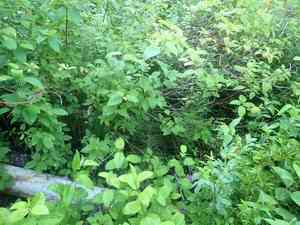
This leafy shrub or compact tree displays robust development and a preference for damp conditions. To achieve peak health and structure, sitka willow thrives with consistent trimming. Essential methods involve reducing crowded branches and eliminating deceased or compromised wood, which ensures proper airflow and stimulates fresh development. The perfect time for pruning is from late winter to early spring, prior to the appearance of new foliage. Trimming during its dormant phase lessens strain and sap leakage, boosting sitka willow's vigor and hardiness.
What Are the Benefits of Pruning Sitka Willow?
What Are the Benefits of Pruning Sitka Willow?
Trimming sitka willow promotes robust development and maintains its form, ensuring a vigorous, well-structured specimen that can better resist pests and diseases while enhancing its visual appeal.
What Is the Best Time for Pruning Sitka Willow?
What Is the Best Time for Pruning Sitka Willow?
The optimal period for pruning sitka willow is from late winter to early spring. This timing is ideal as it aligns with the end of dormancy but precedes the emergence of new growth. Pruning during this window helps stimulate fresh growth as temperatures rise. Avoiding pruning during the active growth phase in late spring or summer prevents sitka willow from experiencing undue stress. Furthermore, this timing reduces the risk of disease and pest infestation, as wounds can heal quickly with the onset of new growth. It is also crucial to prune before the sap begins to flow to prevent excessive bleeding, which is common in willows when cut during active growth.
What Tools Do I Need to Prune Sitka Willow?
Hand Pruners
For cutting young, soft shoots and small branches of sitka willow, hand pruners or secateurs are perfect. They provide a precise cut and prevent damage to the plant's delicate stems.
Lopping Shears
Sitka willow can develop thicker branches that are challenging to cut with hand pruners. Lopping shears offer longer handles for increased leverage to make clean cuts on branches up to 1 1/2 inches thick.
Pruning Saw
For mature sitka willow with branches exceeding 1 1/2 inches in thickness, a pruning saw is essential. It allows for efficient cutting of larger branches without harming the trunk or major limbs.
Hedge Shears
When shaping sitka willow or trimming a large quantity of small branches, hedge shears are useful for creating a neat, uniform line.
Pole Pruner
Given the potential height of sitka willow, a pole pruner can be valuable for safely reaching and trimming higher branches from the ground.
How to Prune Sitka Willow
Sterilization
Before pruning sitka willow, sanitize all pruning tools using a solution of one part bleach to nine parts water or use rubbing alcohol to prevent the spread of diseases.
Identification
Carefully examine sitka willow to identify dead and diseased branches. Dead branches can be recognized by their dry, brittle texture and absence of buds, while diseased branches may show discoloration or growths.
Cutting Dead Branches
To remove dead branches from sitka willow, make clean cuts at a slight angle just above a bud or branch junction using sharp, sterilized pruning shears. Do not leave stubs as they can attract pests and diseases.
Cutting Diseased Branches
When pruning diseased branches from sitka willow, cut well below the affected areas to ensure the removal of all diseased tissue. If removing an entire branch, cut close to the branch collar at the base without damaging the collar itself.
Disposal
After pruning sitka willow, dispose of all removed dead and diseased branches far from healthy plants to prevent the spread of disease. Do not compost diseased material.
Common Pruning Mistakes with Sitka Willow
Over-Pruning
Removing too much foliage from sitka willow can lead to stress and reduce its ability to photosynthesize effectively. Standard practice is to not remove more than one-third of the plant's overall structure during a single pruning session.
Improper Cut Locations
Cutting sitka willow too far away from the bud or branch junction can result in unsightly stubs that can lead to disease or pest infestations. Likewise, cutting too close to the bud can damage it, preventing new growth.
Using Dull Tools
Dull pruning tools can cause jagged cuts that heal slowly on sitka willow and increase the potential for disease entry.
Ignoring Disease Prevention
Failing to disinfect tools between cuts, especially when moving from a diseased branch to a healthy one, can spread pathogens throughout sitka willow's structure.
Neglecting Dead Or Diseased Wood
Overlooking the removal of dead or clearly diseased branches from sitka willow can compromise the plant's overall health and can lead to further deterioration of the plant.
Invasive Pruning
Radically altering the natural shape of sitka willow through excessive pruning can detract from its aesthetic value and potentially impede natural growth patterns.
Common Pruning Tips for Sitka Willow
Clean Cuts
Making clean and angled cuts just above a healthy bud ensures that water does not collect on the cut surface, minimizing the chance of disease infecting sitka willow.
Tool Maintenance
Always use sharp, clean pruning tools to ensure precise cuts that will heal quickly and limit stress on sitka willow.
Disease Management
Regularly sanitize pruning tools with a solution of bleach or alcohol to prevent spreading plant diseases while working on sitka willow.
Structural Pruning
Focus on removing crossing branches and those that grow inward to maintain good air circulation and structure of sitka willow. This helps prevent diseases and promotes strong growth.
Mindful Pruning
Be thoughtful with each cut, evaluating the necessity to maintain the health and natural form of sitka willow. Aim to only remove what is necessary for the health or desired shape of the plant.



