How to Prune Purple willow?
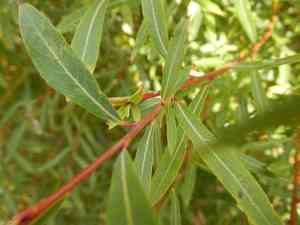
Distinguished by its drooping limbs and slender, blue-green foliage, purple willow flourishes with consistent trimming. To preserve its form and vitality, perform pruning in late winter or early spring prior to the emergence of new shoots. Eliminate any deceased or compromised wood, reduce congested sections, and sculpt as preferred. This practice fosters a compact structure and can improve blooming or stem coloration, which are crucial for purple willow's aesthetic appeal. Disinfect implements to avert the transmission of pathogens and refrain from over-pruning to safeguard the plant's well-being.
What Are the Benefits of Pruning Purple Willow?
What Are the Benefits of Pruning Purple Willow?
Trimming purple willow promotes robust development and helps maintain its desired form, leading to a stronger, healthier plant structure.
What Is the Best Time for Pruning Purple Willow?
What Is the Best Time for Pruning Purple Willow?
Pruning purple willow during this period is optimal as the plant is dormant, minimizing stress and the chance of disease transmission. Early spring pruning allows for the removal of damaged or diseased branches before new growth begins, enabling purple willow to heal and direct energy towards healthy new shoots. Additionally, as purple willow is a willow species, its sap starts flowing early; pruning while dormant reduces sap loss. This timing avoids disrupting purple willow's natural flowering or fruiting cycle, preserving the plant's aesthetic and ecological functions.
What Tools Do I Need to Prune Purple Willow?
Hand Pruners
Perfect for making precise cuts on young shoots and small branches of purple willow, causing minimal harm to plant tissues.
Loppers
Suitable for reaching into purple willow's denser areas and providing the leverage needed to cut through branches up to 1.5 inches in diameter without user strain.
Pruning Saw
Crucial when dealing with older, thicker branches of purple willow that hand pruners and loppers cannot manage, ensuring a clean cut on branches over 1.5 inches.
Hedge Shears
Useful for shaping purple willow if grown as a hedge, allowing for uniform, straight cuts across multiple stems.
Pole Pruner
Essential for safely reaching and cutting higher branches of purple willow without requiring a ladder.
How to Prune Purple Willow
Step1: Timing Pruning for Plant Health
Select the appropriate time of year to prune purple willow, which is late winter to early spring before new growth emerges. Timing is vital to prevent plant damage or frost damage to fresh cuts.
Step2: Prepare Clean and Sharp Tools
Before beginning, ensure all pruning tools (e.g., pruners, loppers, saws) are clean and sharp to make precise cuts and prevent disease spread.
Step3: Remove Dead Wood from Plant
Begin by identifying and removing all dead wood from purple willow, recognizable by its brittle texture and lack of buds. Cut these branches back to live wood or the plant's base, depending on the extent of the dead material.
Step4: Prune Inward and Weak Branches
Look for any branches exhibiting weak spiraling growth or growing inward towards the center of purple willow. These should be pruned to maintain a strong, outward-facing structure. Target the base of the weak spiral or inward-growing branch, making cuts at a 45-degree angle just outside the bark ridge that forms at the branch's base (branch collar).
Step5: Cut Away Damaged Branches
Identify and trim any damaged branches on purple willow. This includes branches broken by wind or snow, or showing signs of disease or pest damage. Remove them by cutting at the point of healthy tissue, just past the damaged area without cutting into the healthy branch collar.
Step6: Thin Canopy for Air and Light
Thin purple willow to improve air circulation and light penetration throughout the canopy. This involves removing some central branches to open up the plant's structure. Be careful to maintain purple willow's natural shape while thinning.
Step7: Ensure Balanced Plant Shape
Perform a final check to ensure purple willow has a balanced shape and structure. Remove any small twigs or branches that may have been overlooked during initial pruning, aiming for a uniform, natural appearance.
Step8: Cleanup Pruning Debris
Clean up all debris from the pruning process to prevent potential disease spread in the garden. Dispose of or compost purple willow trimmings as appropriate.
Step9: Water Plant After Pruning
Water purple willow thoroughly after pruning to aid recovery. If suitable for the species and your local conditions, consider applying a balanced, slow-release fertilizer to support new growth.
Step10: Monitor Plant Post-Pruning
Monitor purple willow after pruning for signs of stress or disease, addressing any issues promptly to ensure the plant's health and vigor.
Post-Pruning Care for Purple Willow
Post-Pruning Care for Purple Willow
After pruning purple willow, water the plant immediately to reduce stress. Ensure it's in an area with ample indirect light, maintaining moderate humidity and cool temperatures to support recovery. Apply a balanced fertilizer to replenish nutrients. Monitor purple willow for wilting, discoloration, or infection, indicating pruning shock or diseases. If such signs appear, adjust care accordingly and consider applying a fungicide or insecticide if an infection is suspected.
Common Pruning Mistakes with Purple Willow
Avoid over-pruning to prevent plant stress
Excessive pruning can stress purple willow, potentially leading to poor health and reduced vitality. Removing more than one-third of the plant at once can be too much.
Prune properly around buds to avoid damage and disease
Cutting too close to the bud can harm it, while leaving too long a stub can lead to disease and dieback.
Promptly remove dead or diseased branches to protect health
Failing to remove dead, diseased, or damaged branches as soon as they are noticed can invite pests and diseases to purple willow, impacting overall plant health.
Use sharp, clean tools for better healing and disease prevention
Using dull or dirty pruning tools can cause jagged cuts that heal poorly and may introduce disease pathogens to purple willow.
Respect plant's natural shape to maintain ornamental value
Pruning without understanding purple willow's natural form can result in an unnatural appearance and diminish the plant's ornamental appeal.
Common Pruning Tips for Purple Willow
Prune with clean and sharp tools for quick healing
Always use clean, sharp tools when pruning purple willow to make precise cuts that heal rapidly and reduce the risk of disease spread.
Cut above the bud at an angle for proper growth direction
When removing branches, cut just above the bud at a 45-degree angle to promote proper healing and direct new growth outward.
Thin the center for better light and air, reducing disease risk
Thin out the center of purple willow to increase light penetration and air circulation, which encourages healthy growth and reduces the likelihood of disease.
Remove crossing branches to prevent wounds and pest entry
Focus on removing any crossing branches that can rub against each other and cause wounds, which may serve as entry points for pests and diseases.
Selective pruning to enhance natural form of the plant
Identify and maintain purple willow's natural shape when pruning for an aesthetically pleasing and healthy plant. This involves selective pruning to enhance the plant's form rather than indiscriminate cutting.
Inspect and remove compromised branches to maintain health
Regularly inspect and promptly remove any dead, diseased, or damaged wood from purple willow to maintain plant health and prevent the spread of potential problems.



