How to Prune Shining willow?
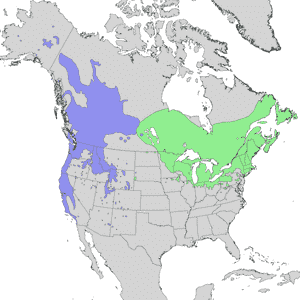
This leaf-shedding bush, noted for its lustrous foliage and flower clusters, flourishes in damp environments. To preserve the shining willow's form and stimulate robust development, annual trimming is advisable. Trim older stems in early spring or late winter to encourage fresh sprouts. Reducing crowded sections improves air movement, lowering the chance of illness. Eliminating impaired or errant limbs improves the overall structure. Trimming shining willow provides both visual appeal and wellness advantages, guaranteeing strong development and a neat look.
What Are the Benefits of Pruning Shining Willow?
What Are the Benefits of Pruning Shining Willow?
Trimming shining willow promotes vigorous development and helps maintain its desired shape. Strategic removal of dead or weak branches ensures energy is directed towards producing strong, healthy structures, which sustains vitality and aesthetics.
What Is the Best Time for Pruning Shining Willow?
What Is the Best Time for Pruning Shining Willow?
Pruning of shining willow during late winter to early spring, before new growth begins, is ideal. This timing allows gardeners to remove any dead or damaged branches without harming new shoots. Additionally, it ensures cuts have time to heal before the growing season. Pruning outside this window can lead to sap bleeding, where the plant loses excessive sap from cut surfaces, potentially weakening it. As shining willow is typically dormant then, sap bleeding is minimized, and the plant's energy can focus on healing and new growth once temperatures rise. Moreover, since shining willow flowers on new growth, pruning at this time will not negatively impact its flowering potential in the upcoming season.
What Tools Do I Need to Prune Shining Willow?
Hand pruners
Perfect for snipping small twigs and branches of shining willow up to 3/4 inch in diameter. Ergonomic bypass pruners are preferred for clean and healthy cuts.
Loppers
Best for reaching deeper or higher branches and cutting through thicker growth up to 2 inches in diameter, essential for managing the size and form of shining willow.
Pruning saws
Required for larger branches over 2 inches in diameter, that cannot be managed by hand pruners or loppers. A curved blade pruning saw is recommended for ease of cutting through the tough wood of shining willow.
Shears
Useful for shaping and trimming shining willow's softer foliage and smaller twigs. Hedge shears are suitable for creating a formal appearance if desired.
Pole pruners
Extendable pruners that are beneficial for reaching higher branches without needing a ladder, contributing to the safe pruning of shining willow.
How to Prune Shining Willow
Identify Dead Branches
Examine shining willow closely, looking for branches that are visibly lifeless. These branches may appear shriveled, may have bark peeling off, or may have a grayish or brown color as opposed to a healthy branch's green or vibrant hue.
Sanitize Pruning Tools
Before making any cuts, ensure that pruning tools are disinfected to prevent the spread of diseases. Use a solution of 1 part bleach to 9 parts water or use rubbing alcohol to clean the blades.
Prune Dead Branches
Using sanitized pruning shears, cut the dead branches back to the point of living tissue, recognizable by its green color underneath the bark. Make cuts at a 45-degree angle to promote healing and prevent water accumulation which can lead to decay.
Identify Diseased Branches
Look for branches showing signs of illness on shining willow, indicated by unusual growths, discolored leaves or bark, or the presence of pests. These branches need to be removed to stop the disease from spreading.
Prune Diseased Branches
Carefully remove the diseased branches by cutting them back to healthy tissue or to the base if the entire branch is affected. Be sure to sanitize pruning tools after each cut to avoid contaminating healthy parts of shining willow. Collect and properly dispose of the affected branches.
Common Pruning Mistakes with Shining Willow
Overpruning
Cutting back too much of shining willow can weaken the plant, reducing its vigor and potentially leading to disease or pest infestations.
Improper Cut Location
Making cuts either too close or too far from the node can harm shining willow, as this can hinder the healing process or lead to unsightly or dead growth.
Using Dull Tools
Dull pruning tools can cause jagged cuts on shining willow that may lead to disease entry points and poor healing.
Neglecting Sanitation
Failing to sanitize tools between cuts and plants can spread disease, which is especially detrimental when pruning shining willow.
Pruning Without Objective
Random or aimless pruning without understanding the growth habit or form of shining willow can result in an unattractive shape and reduced plant health.
Common Pruning Tips for Shining Willow
Sharp Pruning Tools
Always use sharp, clean pruning shears or a saw to make clean, straight cuts on shining willow, which helps in faster healing and reduces the risk of disease.
Clean Tools Regimen
Clean and disinfect pruning tools before and after use on shining willow to prevent the spread of diseases and pests.
Gradual Pruning Approach
Adopt a conservative and gradual approach to pruning shining willow, removing only what is necessary to shape the plant, remove dead or damaged wood, or encourage new growth.
Correct Cut Position
Make cuts just above a leaf bud or node facing the outside of the plant to promote outward growth and improve air circulation within the canopy of shining willow.
Protect Cut Areas
After pruning shining willow, consider applying a wound sealant on larger cuts to protect against pests and diseases.



