How to Prune Coastal plain willow?
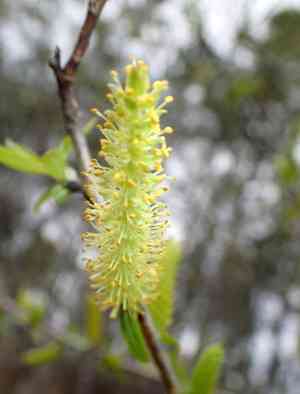
A riparian species indigenous to the region, recognized by its elongated, pointed foliage and preference for moist environments, necessitates consistent trimming to ensure peak well-being and development. Pruning coastal plain willow entails excising dead or ailing wood, reducing crowded branches, and sculpting for visual appeal or size management. The most suitable period for pruning is in late winter or early spring, prior to the emergence of new shoots. Meticulous pruning facilitates air circulation, diminishes the likelihood of disease, and stimulates blooming. Advantages of this specialized pruning include heightened plant vitality and a refined structural form.
What Are the Benefits of Pruning Coastal Plain Willow?
What Are the Benefits of Pruning Coastal Plain Willow?
Trimming coastal plain willow promotes robust development, allowing the plant to form a sturdier framework. It also assists in maintaining the desired form for visual appeal and landscape upkeep.
What Is the Best Time for Pruning Coastal Plain Willow?
What Is the Best Time for Pruning Coastal Plain Willow?
Trimming coastal plain willow in late winter or early spring is optimal, aligning with the end of its dormant period and just before new growth begins. This timing enables gardeners to remove any dead or damaged branches before the plant expends energy on foliage and new shoots, facilitating better wound recovery and preventing unnecessary strain. Furthermore, this period is after the coldest part of winter has passed, reducing the risk of frost damage to fresh cuts. Pruning prior to the spring growth surge also allows coastal plain willow to direct its energy into developing strong new shoots, leading to a healthier plant structure and enhanced vigor throughout the growing season.
What Tools Do I Need to Prune Coastal Plain Willow?
Hand Pruners
Perfect for making precise cuts on coastal plain willow's smaller branches, typically up to 1 inch in diameter, ensuring a clean cut without harming the plant.
Lopping Shears
Suitable for cutting through thicker branches of coastal plain willow, usually up to 2 inches in diameter, which hand pruners cannot manage.
Pruning Saws
Designed to handle the larger branches and limbs of coastal plain willow that exceed 2 inches in thickness, providing the necessary cutting power without causing undue stress to the plant.
Hedge Shears
Useful for shaping and maintaining the overall form of coastal plain willow when cultivated as a hedge or when multiple shoots require simultaneous trimming.
Pole Pruners
Essential for reaching higher branches of coastal plain willow without requiring ladders, thereby enhancing safety while enabling the pruning of tall specimens.
How to Prune Coastal Plain Willow
Clean Tools
Before beginning to prune coastal plain willow, ensure all pruning implements are clean and sharp to prevent disease transmission and achieve clean cuts.
Inspect
Thoroughly examine coastal plain willow to identify dead or diseased branches, which will appear discolored, withered, or may show visible fungal growth.
Remove Dead Branches
Carefully remove dead branches from coastal plain willow by cutting at their base where they meet healthy wood, taking care not to damage the collar or healthy tissue.
Remove Diseased Branches
Trim away diseased branches from coastal plain willow by cutting well below the affected areas to prevent further disease spread. Dispose of these branches appropriately.
Sanitize Tools
After pruning coastal plain willow, disinfect your tools to eliminate pathogens that could infect other plants. Clean them with a solution of one part bleach to nine parts water.
Common Pruning Mistakes with Coastal Plain Willow
Overpruning
Removing too much foliage at once can shock coastal plain willow, potentially leading to stunted growth or failure to thrive.
Improper Cut Location
Cutting too far from a bud, node, or trunk can leave an unsightly stub prone to disease or pests. Conversely, cutting too close can damage buds and hinder new growth.
Using Dull Tools
Pruning with dull blades can result in jagged cuts that heal slowly, increasing the risk of infection for coastal plain willow.
Neglecting Tool Hygiene
Failing to clean and disinfect tools between uses can spread diseases from infected plants to healthy ones, including coastal plain willow.
Incorrect Cut Angle
Cuts should be angled away from the bud to prevent water from accumulating on the cut surface, which can cause rot and disease.
Pruning Healthy Tissue Unnecessarily
Indiscriminate pruning may remove healthy tissue vital for coastal plain willow's growth and vigor.
Common Pruning Tips for Coastal Plain Willow
Sharp Clean Tools
Utilize sharp, clean pruning shears or saws to make clean, angled cuts that will heal quickly and minimize stress to coastal plain willow.
Identify And Remove
Locate and remove dead, damaged, or diseased branches first to promote the health and appearance of coastal plain willow.
Cutting Technique
Make cuts just above buds and at a 45-degree angle, facing away from the bud, to encourage optimal new growth for coastal plain willow.
Thin Crown
Thin the crown to increase light penetration and air circulation, which can lead to more robust growth for coastal plain willow.
Prune For Shape
Prune for shape and size control, keeping coastal plain willow's natural form in mind to promote an aesthetic balance as well as healthy growth.
Patient Pruning
Spread heavy pruning over several seasons if extensive reshaping is needed; this gradual approach is less stressful for coastal plain willow.



