How to Prune Goat willow?
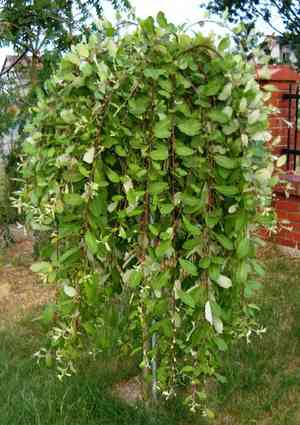
A deciduous bush recognized for its silver-hued catkins, goat willow flourishes with careful trimming to preserve its form and stimulate vigorous development. For goat willow, the optimal time for pruning is from late spring to early summer, after blooming, to safeguard the current year's buds. Essential methods involve reducing older branches and eliminating deceased or intersecting limbs, which fosters proper air movement and light exposure. Consistent pruning aids goat willow by improving leaf thickness and guaranteeing an abundant presentation of catkins annually.
What Are the Benefits of Pruning Goat Willow?
What Are the Benefits of Pruning Goat Willow?
Trimming goat willow encourages more abundant flowering, allowing gardeners to fully appreciate its catkins. Carefully removing unhealthy branches also protects goat willow from pests and diseases, promoting a more vibrant and robust specimen.
What Is the Best Time for Pruning Goat Willow?
What Is the Best Time for Pruning Goat Willow?
Pruning during late spring and early summer benefits goat willow as it enables the plant to recover swiftly during its active growth period. This timing ensures that any winter damage can be identified and removed, and it prevents cutting back the plant in autumn, which could expose new growth to frost damage. Late spring pruning allows gardeners to shape the goat willow before the growing season, minimizing the risk of shock. Pruning in early summer, after goat willow's flowering period concludes, ensures that the current year's growth can mature and that the plant can direct energy towards healing and further development instead of supporting excessive or unwanted branches.
What Tools Do I Need to Prune Goat Willow?
Bypass Pruners
Perfect for making clean cuts on goat willow's younger, green stems without crushing them. Suitable for branches up to ¾ inches in diameter.
Lopping Shears
Effective for cutting through thicker branches that bypass pruners cannot manage, typically up to 1 ½ to 2 inches in diameter, without harming goat willow's mature wood.
Hand Saw
Essential for removing goat willow's larger branches over 2 inches in diameter. A saw with fine teeth is recommended for a cleaner cut, which is vital for the health of goat willow.
Hedge Shears
Useful for shaping goat willow if it is grown as a hedge. They allow for even, straight cuts across multiple smaller branches and foliage.
Pruning Saw
For extensive pruning tasks on goat willow, such as removing larger limbs or executing significant size reduction. Choose a curved blade for greater cutting efficiency.
How to Prune Goat Willow
Clean Tools
Before beginning the pruning process, sterilize pruning tools to prevent the spread of disease. Wipe the blades with a solution of bleach or rubbing alcohol.
Remove Diseased Material
Inspect goat willow for any signs of disease on leaves and branches. Using sharp pruning shears, remove all diseased leaves and branches. Make cuts at least a few inches into healthy tissue to ensure all diseased material is eliminated.
Prune Dead Material
Identify and prune dead branches and withered leaves from goat willow, which can harbor pests and disease. Make clean cuts to promote faster healing and avoid unnecessary stress on goat willow.
Trim Withered Flowers
Cut back withered flowers from goat willow to promote new growth and encourage a tidy appearance. This will also prevent goat willow from expending energy on seed production.
Control Growth
Assess the overall shape of goat willow and remove excessive growth branches to maintain the desired form. Thinning out these branches also improves air circulation and light penetration to the inner canopy of goat willow.
Common Pruning Mistakes with Goat Willow
Overpruning
Removing too much of goat willow's foliage and branches, which can stress the plant, lead to fewer blooms, and potentially cause dieback or disease vulnerability.
Improper Cuts
Making jagged or torn cuts on goat willow's branches, which can hinder healing and make the plant susceptible to pests and diseases.
Pruning Without A Plan
Cutting goat willow's branches indiscriminately without understanding the growth pattern, which can result in a misshapen plant and affect its natural appearance.
Neglecting Tool Hygiene
Using dirty pruning tools, which can spread disease from one plant to another, potentially infecting goat willow.
Ignoring Branch Size
Cutting branches that are too large without providing proper support, which can cause the bark to rip and harm goat willow.
Pruning For Aesthetics Alone
Focusing solely on the shape of goat willow and neglecting the health and structural integrity of the plant which are crucial for long-term growth.
Common Pruning Tips for Goat Willow
Sharp Tools
Use sharp and clean pruning shears to make clean cuts on goat willow, which promote quick healing and reduce disease risk.
Strategic Thinning
Thin out goat willow's older and inner branches to increase light penetration and air circulation, encouraging healthy growth and reducing disease pressure.
Angled Cuts
Make angled cuts just above a bud facing the outside of the plant to direct new growth outwards and prevent water accumulation on the cut surface.
Branch Collar
Cut just outside the branch collar without damaging it, as it is crucial for goat willow's healing process after the removal of a branch.
Prune For Health
Regularly remove any dead, diseased, or crossing branches from goat willow to maintain its health and vigour.
Gradual Rejuvenation
If rejuvenation pruning is necessary for an older goat willow, spread it out over several seasons to minimize stress on the plant.



