How to Prune White willow?
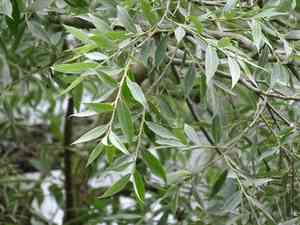
This shedding-leaf tree, recognized by its pendulous boughs and extended foliage, significantly thrives with careful trimming. For white willow, excising deceased or compromised branches improves both vitality and aesthetic. A measured reduction of the canopy facilitates light access and air movement. Trimming ought to occur in late winter or early spring prior to the emergence of leaves. Concentrating on preserving a symmetrical framework averts excessive growth and potential snapping, which is particularly crucial due to this species' swift development.
What Are the Benefits of Pruning White Willow?
What Are the Benefits of Pruning White Willow?
Trimming white willow promotes robust development and maintains its form. Consistent cutting lessens disease risk, fosters a strong structure, and can improve its visual appeal.
What Is the Best Time for Pruning White Willow?
What Is the Best Time for Pruning White Willow?
These periods are considered ideal for pruning white willow due to various elements. In late winter, the plant remains dormant, minimizing stress and the chance of disease spread via pruning cuts. Early spring follows this, just before new growth starts. Pruning then stimulates healthy new growth and allows shaping before the growing season. Additionally, pruning wounds heal faster as sap flow increases, reducing vulnerability to pests and diseases. Avoid fall pruning, as wounds might not heal before winter, increasing frost damage risk. Moreover, pruning white willow outside recommended seasons could disrupt its natural growth cycle, potentially affecting its health and vigor.
What Tools Do I Need to Prune White Willow?
Hand Pruners
Perfect for trimming small branches and twigs of white willow, specifically those under 1 inch in diameter. Hand pruners provide precise cuts and are crucial for shaping the tree and removing dead or diseased wood.
Lopping Shears
Suitable for cutting branches between 1 to 1.5 inches thick. White willow can have thicker branches that require the extra leverage provided by lopping shears.
Pruning Saw
For branches and limbs thicker than 1.5 inches, a pruning saw is essential. White willow can develop substantial branches, and a saw ensures clean cuts without damaging the surrounding wood.
Hedge Shears
Useful for shaping white willow when it is grown as a hedge. Their long blades allow for straight, even cuts across the foliage.
Pole Pruner
For reaching high branches on white willow without using a ladder. This tool increases safety and efficiency when pruning taller specimens.
Personal Protective Equipment (PPE)
While not a pruning 'tool', wearing gloves, safety glasses, and long sleeves is important to protect against the sharp tools and potential skin irritants from white willow.
How to Prune White Willow
Step1: Assessment and Planning
Evaluate the overall health and structure of white willow before pruning, looking for specific parts needing trimming like damaged wood, diseased limbs, and unproductive stems. Choose a dry, cool day to prevent disease spread.
Step2: Trimming Damaged Wood
Begin by removing any damaged wood. Make clean cuts at a 45-degree angle, just above a healthy bud facing the outside of the plant. The cut should be 1/4 inch above the bud without leaving a stub.
Step3: Removing Diseased Limbs
Identify and remove diseased limbs. Disinfect your pruning tools with a solution of 1 part bleach to 9 parts water before and after cutting diseased material to avoid contaminating healthy parts.
Step4: Eliminating Unproductive Stems
Cut back unproductive stems that haven't produced leaves or buds in the past season. Remove them by cutting back to a main branch or to the trunk if necessary, using a pruning saw for thicker branches.
Step5: Shaping and Balancing
After removing the three target parts, evaluate the tree for shape and balance. Remove any crossed branches or those that disrupt the desired form, using the same angle cutting technique as in Step 2.
Step6: Thinning the Canopy
Thin out the canopy of white willow by removing some of the interior branches to allow better light penetration and air circulation, which will promote healthier growth and reduce the risk of disease.
Step7: Limiting Growth Removal
Limit the amount of overall growth removed in one season. For white willow, it's advisable not to exceed 25% of the total crown to avoid overstressing the tree.
Step8: Debris Disposal and Cleanup
Clean up all the debris from pruning and dispose of them properly, especially if they contain diseased material. This will help prevent the spread of disease and pests.
Post-Pruning Care for White Willow
Post-Pruning Care for White Willow
Immediately after pruning white willow, ensure clean cuts to promote healing. Place white willow in a location with adequate indirect light, maintaining moderate humidity and avoiding temperature extremes. Support recovery with balanced fertilizer, rich in phosphorus, to encourage root and shoot growth. Monitor white willow for wilt, discoloration, or pests, indicative of stress or infection. If symptoms appear, adjust care and consult a horticulturist. Regular observation aids in the healthy regrowth of white willow.
Common Pruning Mistakes with White Willow
Using Incorrect Pruning Tools
Not using the correct tools, which can lead to rough cuts and leave white willow susceptible to disease and pests.
Over-Pruning in One Session
Pruning too much foliage in one go, which can stress white willow and hinder its ability to photosynthesize effectively.
Improper Cut Placement
Making cuts too close to or too far from the main branch or trunk, potentially causing damage or stimulating unwanted growth.
Neglecting Damaged Branches
Ignoring dead, diseased, or damaged branches which can become a haven for pathogens and insects.
Not Sterilizing Tools
Failing to sterilize pruning tools before and after use, increasing the risk of spreading diseases between plants.
Common Pruning Tips for White Willow
Clean Cuts with Sharp Tools
Use sharp, clean pruning shears or a saw for larger branches to make clean cuts that white willow can heal over quickly and effectively.
Prune for Good Plant Health
Focus on removing only dead, diseased, or broken branches, as well as any that cross or rub against each other, to improve air circulation and light penetration.
Correct Angle and Position Cuts
Make cuts at a slight angle, about 1/4 inch above a bud that faces the direction you want new growth to take.
Prune Moderately Each Session
Maintain a moderate approach by pruning only 10-20% of the overall foliage in one pruning session to avoid over-stressing white willow.
Use Three-Cut Method on Large Branches
Use proper pruning techniques, such as the three-cut method for larger branches, to prevent tearing the bark and facilitate better healing.



