How to Prune Salak palm?
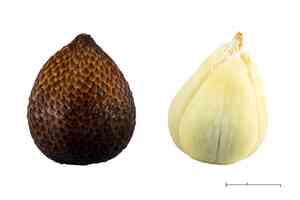
For the thorny, fruit-producing salak palm, trimming is crucial for its well-being and output. Eliminate withered or injured fronds and offshoots, reduce crowded sections to enhance light access and air circulation. Ideally performed in late winter or early spring to prevent strain during active growth phases. Pruning revitalizes salak palm, encouraging a greater fruit harvest. Proceed with care due to pointed thorns and consistently disinfect implements to avert pathogen transmission. Expert advice is advisable for peak outcomes.
What Are the Benefits of Pruning Salak Palm?
What Are the Benefits of Pruning Salak Palm?
Trimming salak palm promotes robust development and maintains its desired form. It aids in eliminating dead or ailing fronds, which is crucial for fostering a healthy plant that yields superior fruit.
What Is the Best Time for Pruning Salak Palm?
What Is the Best Time for Pruning Salak Palm?
Pruning salak palm in late winter or early spring coincides with the period just before the start of its new growth phase. This timing helps avoid cutting the palm when it's actively growing, thereby preventing undue stress and potential harm to new growth. Additionally, trimming before the plant enters its rapid growth phase allows for quick healing of cuts and minimizes disease risks. Pruning during these seasons also doesn't interfere with the natural flowering or fruiting cycles that often occur in later spring or summer, ensuring the plant's reproductive processes are not negatively impacted. Furthermore, late winter pruning can revitalize salak palm by removing any dead or damaged fronds, optimizing light penetration, and encouraging a strong and healthy growth pattern in the upcoming growing season.
What Tools Do I Need to Prune Salak Palm?
Long-handled loppers
Given the sharp spines and tough fronds of salak palm, long-handled loppers are essential for reaching into the plant's dense growth while keeping a safe distance from the thorns.
Heavy-duty pruning shears
For cutting smaller, more manageable fronds or harvesting fruit from salak palm, heavy-duty pruning shears offer the necessary control and strength.
Gardening gloves
Thick gardening gloves are vital for protecting hands from the spines of salak palm during pruning activities.
Protective clothing
Due to the spiny nature of salak palm, wearing thick protective clothing can prevent scratches and irritation when trimming.
Pole saw
For higher fronds of salak palm that are out of reach, a pole saw can be utilized for pruning without needing to climb.
Pruning saw
For thicker branches and stalks of salak palm that cannot be managed by loppers or shears, a pruning saw is required. It allows for precise cuts on larger diameters.
How to Prune Salak Palm
Cleaning tools
Before beginning, clean and sanitize all pruning tools to prevent the spread of disease to salak palm.
Inspection
Examine salak palm for diseased or withered leaves. Look for discoloration, spots, or signs of decay as indicators.
Pruning diseased leaves
Using sharp pruning shears, carefully remove any diseased leaves from salak palm by cutting them at the base where they meet the stem, being careful not to harm healthy tissue.
Pruning withered leaves
Trim any withered leaves from salak palm using the same method as for diseased leaves, which will help promote new growth and improve air circulation.
Disposal
Dispose of removed leaves from salak palm securely, preferably by burning them if permitted, to prevent the spread of any pathogens they may harbor.
Common Pruning Mistakes with Salak Palm
Over-pruning
Removing too much foliage can stress salak palm, leading to reduced vigor and production. It's important not to cut back more than necessary as salak palm stores energy in its leaves.
Improper cut location
Cutting too far from a node can result in stubs that won't heal over and are prone to pests and disease. Similarly, cuts made too close can damage the bud. It's vital to cut just above nodes or branching points.
Neglecting tool sanitation
Using dirty pruning tools can spread disease among salak palm plants. Ensure that cutting instruments are sanitized before and after use to maintain plant health.
Pruning active growth
Removing new shoots might seem like a way to control growth, but it can actually harm the productive parts of salak palm. Only pruning dead or diseased material is generally best for the plant's health.
Poorly timed pruning
Although the best seasons for pruning aren't to be mentioned, pruning at the wrong time outside of those optimal windows can impair growth. It's important to follow the specific pruning timetable for salak palm.
Ignoring plant structure
Random or unconsidered cuts can lead to weakening the overall structure of salak palm, making it more susceptible to breakage or improper growth. It's important to prune with a plan and understanding of the plant's growth habits.
Common Pruning Tips for Salak Palm
Sharp tools
Use sharp, clean pruning shears or a knife to make cuts. This ensures clean cuts that heal quickly, preventing damage to salak palm.
Protective gear
Since salak palm has spiny fronds, wearing thick gloves and long sleeves is necessary to avoid injury during pruning.
Selective pruning
Focus on removing dead or damaged fronds, as well as any fruit stems after harvesting. This cleanup helps to encourage healthy growth and fruit production.
Cut angle
Make cuts at a slight angle, directing water away from the center of the plant to avoid rot and disease.
Monitor health
Regularly inspect salak palm for signs of disease or distress. Early detection makes it easier to manage potential issues with minimal pruning intervention.
Gradual clearing
If substantial pruning is required, it's best to stagger the work over several sessions to give salak palm time to recover and reduce stress on the plant.



