How to Prune Pauper's-tea?
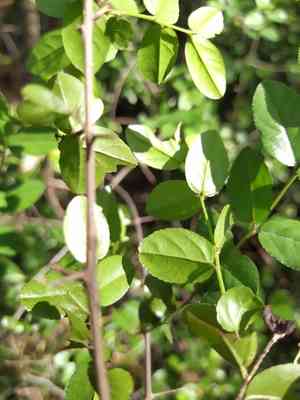
For pauper's-tea, a fragile bonsai or decorative bush featuring slender branches, perform pruning activities while it is inactive in winter to foster thick development and uphold its structure. Remove any lifeless, congested, or errant limbs to improve air movement and light exposure. Perfect its outline by cutting back recent growth, concentrating on retaining its inherent shape. Consistent, gentle trimming, as opposed to drastic reductions, contributes positively to the plant's visual appeal and well-being.
Advantages of Trimming Pauper's-tea
Advantages of Trimming Pauper's-tea
Trimming pauper's-tea promotes robust development and helps maintain its preferred form. Consistent cutting fosters a dense, thriving structure, ensuring pauper's-tea remains visually appealing and flourishes.
Optimal Period for Trimming Pauper's-tea
Optimal Period for Trimming Pauper's-tea
Trimming pauper's-tea in late winter, just prior to the spring growth surge, offers several advantages. During late winter, pauper's-tea is dormant, reducing the risk of stress and shock that can occur if pruned during active growth. This timing allows the plant to recover from cuts before spring's vigorous growth, leading to faster healing and reduced susceptibility to diseases and pests. Furthermore, without leaves, pauper's-tea's structure is more visible, simplifying the identification and removal of dead or diseased branches. Pruning at this time also prevents the removal of buds that will bloom in the upcoming season, ensuring the plant can thrive and maintain its ornamental value.
Tools Required for Trimming Pauper's-tea
Bypass Pruners
These pruners create clean cuts that heal quickly and are perfect for trimming thin stems and twigs on pauper's-tea, ensuring minimal harm to the plant's delicate structure.
Fine-toothed Pruning Saw
When mature branches of pauper's-tea need removal, a fine-toothed pruning saw can make precise cuts without tearing fragile bark.
Micro-Tip Snips
For detailed shaping and the removal of tiny or crowded branches on pauper's-tea, micro-tip snips allow for accuracy without damaging nearby stems.
Pruning Shears
General-purpose pruning shears are suitable for most of pauper's-tea's trimming needs, offering a balance of precision and strength for medium-sized branches.
How to Trim Pauper's-tea
Sanitize
Before beginning the trimming process, disinfect your cutting tools with alcohol or a bleach solution to prevent the spread of disease to pauper's-tea.
Remove withered leaves
Identify and gently remove any dried leaves from pauper's-tea. This can often be done by hand or with small pruning snips, being careful to avoid damage to healthy adjacent foliage or stems.
Eliminate dead branches
Cut back dead branches on pauper's-tea to the point where they meet healthy wood. Use sharp, clean pruning shears, making smooth cuts without tearing the bark to encourage proper healing.
Prune diseased branches
Carefully remove any diseased branches from pauper's-tea, cutting at least several inches into healthy tissue to ensure the removal of all infected material. Dispose of these branches properly to avoid reinfection.
Thin out
Thin out overgrown areas of pauper's-tea to improve air circulation and light penetration. Selectively prune crowded branches, making your cuts at the base of the undesired growth or just above leaf nodes to encourage new growth in a desired direction.
Common Trimming Errors with Pauper's-tea
Over-pruning
Removing too much foliage at once can stress pauper's-tea, hindering its growth and recovery.
Improper cutting
Incorrect cutting techniques, such as tearing or making jagged cuts, can lead to disease and damage in pauper's-tea.
Neglecting tool maintenance
Using dull or unclean pruning tools can cause unnecessary injury to pauper's-tea, which can open the door to infections.
Pruning healthy growth
Cutting away healthy branches instead of focusing on dead, diseased, or overcrowded growth can weaken pauper's-tea and reduce its vigor.
Ignoring plant shape
Lack of attention to pauper's-tea's natural growth habit when pruning may result in an unbalanced or unnatural appearance.
General Trimming Advice for Pauper's-tea
Sharp clean tools
Always use sharp, clean pruning shears to make clean cuts, minimizing stress and potential disease entry points on pauper's-tea.
Cut at proper angle
Make angled cuts just above a bud or branching point, ensuring water runs off the cut and promoting healthy new growth in pauper's-tea.
Thin out crowded areas
Selectively thin out crowded branches to improve light penetration and air circulation, crucial for the overall health of pauper's-tea.
Prune diseased material
Promptly remove diseased or dead material from pauper's-tea to prevent the spread of pests and diseases.
Foster desired shape
Prune pauper's-tea to maintain or encourage the desired shape, taking care not to alter its natural form excessively.
Prune for regeneration
Periodically prune older stems to encourage rejuvenation and more robust growth in pauper's-tea.



