How to Prune Sugarcane plume grass?
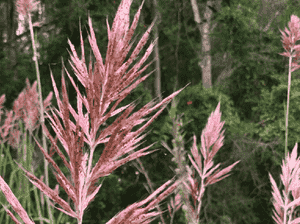
Hailing from marshy environments, Saccharum ravennae is a resilient perennial grass recognized for its impressive height and delicate floral plumes. Trimming should focus on reducing crowded sections and eliminating aged or lifeless leaves to stimulate new development. The ideal period for cutting back Saccharum ravennae is in early spring or during winter, when the plant is inactive. Strategic pruning aids Saccharum ravennae by sustaining its vigor, improving air movement, and lowering the likelihood of infestations, thereby safeguarding its aesthetic value.
What Are the Benefits of Pruning Sugarcane Plume Grass?
What Are the Benefits of Pruning Sugarcane Plume Grass?
Trimming sugarcane plume grass promotes robust development by eliminating dead or overgrown stalks, ensuring optimal light exposure and air circulation. This practice helps maintain the plant's form and enhances its overall health and look.
What Is the Best Time for Pruning Sugarcane Plume Grass?
What Is the Best Time for Pruning Sugarcane Plume Grass?
Cutting or trimming sugarcane plume grass during early spring or late winter supports vigorous growth and blooming. These periods are ideal as the plant is still dormant or just beginning its growth cycle. Early spring pruning ensures that any winter frost damage is removed, allowing sugarcane plume grass to direct energy to new, healthy growth. Late winter pruning is also beneficial as it prepares sugarcane plume grass for the vigorous growth that occurs in spring. It is important to avoid cutting back sugarcane plume grass during its active growth in summer or fall, as this can stress the plant and reduce its ability to store energy for the next growing season. The timing coincides with the period before new shoots form, making it easier to see the structure of sugarcane plume grass and make precise cuts. By adhering to these guidelines, gardeners can ensure sugarcane plume grass's robust return and enjoy its ornamental value each year.
What Tools Do I Need to Prune Sugarcane Plume Grass?
Hand Pruners
Perfect for snipping slender stems and grass blades.
Grass Shears
Designed ergonomically to shape or trim the edges and overall height of sugarcane plume grass.
Long-Handled Loppers
Offer leverage to cut through thicker stalks of sugarcane plume grass, minimizing bending.
Pruning Saw
Ideal for removing mature, woody stems too thick for loppers.
Hedge Shears
Useful for shaping and thinning larger clumps of sugarcane plume grass.
Gloves
Shield hands from the sharp edges of sugarcane plume grass's blades.
How to Prune Sugarcane Plume Grass
Cleaning Tools
Before pruning sugarcane plume grass, clean and sanitize all cutting tools to prevent disease spread. Use a solution of 1 part bleach to 9 parts water to disinfect the blades.
Remove Diseased
Identify and remove any diseased leaves by cutting them at their base where they connect to the stem. Ensure cuts are clean to promote better healing and reduce stress on sugarcane plume grass.
Prune Withered
Trim away withered leaves from sugarcane plume grass by cutting them at the base of the leaf stem. It is essential to cut only the dead material and not damage the healthy surrounding tissue.
Disposal
Dispose of all removed material—diseased and withered leaves—away from healthy plants to limit the spread of any potential pathogens.
Inspect
After pruning, inspect sugarcane plume grass for any signs of pests or other diseases. Regular inspection helps catch issues early, ensuring the health and vitality of your plant.
Common Pruning Mistakes with Sugarcane Plume Grass
Over-Pruning
Removing too much foliage from sugarcane plume grass, which can stress the plant and lead to reduced vigor and fewer flowers.
Improper Cuts
Making jagged or torn cuts instead of clean, angled cuts can invite pests and diseases to sugarcane plume grass.
Pruning Live Canes
Cutting back live canes unnecessarily can limit the natural shape and fullness of sugarcane plume grass.
Ignoring Dead Material
Neglecting to remove dead or diseased material from sugarcane plume grass, which can inhibit new growth and foster disease.
Lack Of Tool Sanitation
Failing to sanitize tools before pruning sugarcane plume grass, risking the spread of diseases from plant to plant.
Pruning Too Late
Pruning sugarcane plume grass too late in the growing season could stimulate new growth that may not harden off before winter.
Common Pruning Tips for Sugarcane Plume Grass
Selective Thinning
Thin out crowded areas by removing select canes at the base to improve air circulation and light penetration for sugarcane plume grass.
Clean Cuts
Make clean, angled cuts just above a node when pruning to promote healthy new growth on sugarcane plume grass.
Deadheading
Remove spent flower heads of sugarcane plume grass to encourage reblooming and prevent self-seeding, if desired.
Dead And Diseased Material Removal
Regularly remove dead or diseased canes to maintain the health and appearance of sugarcane plume grass.
Use Of Sharp Tools
Always use sharp, properly maintained pruning shears or saws for a clean cut on sugarcane plume grass, reducing harm to the plant.
Size Control
Lightly prune to maintain the desired shape and size, but avoid excessive cutting back to ensure sugarcane plume grass thrives.



