How to Prune Short-beard plumegrass?
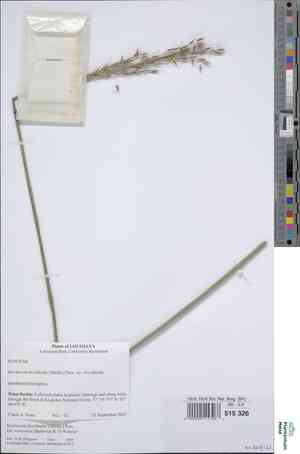
Short-beard plumegrass, a perennial grass, is recognized by its lofty, plume-like blossoms. The most effective time for trimming is in early spring or during winter prior to the emergence of new shoots. Consistent elimination of withered or compromised leaves encourages more thriving and sturdy development. Cutting back aged stalks improves air movement and light exposure, which are vital for its vitality. Trimming also preserves its attractive appearance and stops excessive proliferation, rendering it a fundamental routine for sustaining the plant's well-being and visual charm.
What Are the Benefits of Pruning Short-beard Plumegrass?
What Are the Benefits of Pruning Short-beard Plumegrass?
Trimming short-beard plumegrass encourages robust development and maintains its desired form. Regular cutting back helps revitalize the plant, fostering denser, stronger growth which enhances its decorative appeal while keeping it manageable and neat.
What Is the Best Time for Pruning Short-beard Plumegrass?
What Is the Best Time for Pruning Short-beard Plumegrass?
Pruning or trimming short-beard plumegrass during Early Spring and Winter aligns with its dormant period, which minimizes stress and promotes vigorous growth in the following growing season. In Early Spring, just before the onset of the growth cycle, pruning helps in removing dead or diseased parts, thus directing the plantâs energy towards producing new healthy growth. During Winter, the plant is least active, making it an ideal time to shape the plant without risking the loss of flower or seed production, since it gives the plant ample time to heal and recover before the spring growth commences.
What Tools Do I Need to Prune Short-beard Plumegrass?
Sharp Bypass Pruners
Perfect for making clean cuts on the finer, softer stems of short-beard plumegrass, ensuring minimal damage to the plant tissues. These pruners work like scissors, with two curved blades that bypass each other to make a clean cut. This is essential for promoting healthy growth and preventing diseases.
Long-Handled Loppers
Suitable for reaching thicker stems or branches up to two inches in diameter, often found on larger specimens of short-beard plumegrass. The long handles provide leverage, making it easier to cut through tough grass stems without exerting excessive force, which can help prevent injury.
Grass Shears
Useful for trimming and shaping the edges of short-beard plumegrass in more manicured lawns or gardens. These shears allow for precision and help maintain the desired aesthetic of the plant. They are particularly effective for quick touch-ups and smaller areas.
Heavy-Duty Garden Scissors
Effective for harvesting or cutting through non-woody parts of short-beard plumegrass. These scissors are robust and offer versatility, allowing for detailed work on short-beard plumegrass, including deadheading or removing damaged foliage with precision.
How to Prune Short-beard Plumegrass
Identify
Locate and mark the diseased and withered leaves on short-beard plumegrass. This includes any leaves that show signs of discoloration, spots, or have become dry and brittle.
Sanitize
Before starting the pruning process, clean and sanitize the pruning tools. This prevents the spread of diseases between different parts of short-beard plumegrass or to other plants.
Cut
Using sharp and sanitized pruning shears, carefully cut the identified diseased and withered leaves at the base where they attach to the stem. Make clean cuts to avoid damaging the healthy parts of short-beard plumegrass.
Dispose
Properly dispose of the removed leaves to avoid reinfection or attracting pests. Do not compost diseased material as it might not fully break down and can contaminate the compost.
Inspect
After pruning, inspect short-beard plumegrass regularly to monitor for new signs of disease or withering. Early detection and prompt removal can help maintain the health of short-beard plumegrass.
Common Pruning Mistakes with Short-beard Plumegrass
Overpruning
Removing too much foliage from short-beard plumegrass, which can stress the plant and lead to reduced vigor and sparse growth.
Incorrect tool use
Using dull or improper tools for pruning short-beard plumegrass can result in jagged cuts that poorly heal, making the plant susceptible to diseases.
Timing ignorance
Pruning at the wrong time in the lifecycle of short-beard plumegrass can interrupt its natural growth and flowering cycles.
Neglecting health checks
Failing to inspect short-beard plumegrass for health issues before pruning, which can lead to the inadvertent spreading of diseases or pests during the process.
Common Pruning Tips for Short-beard Plumegrass
Sharp tools
Use sharp, clean cutting tools for pruning short-beard plumegrass to make clean, precise cuts that heal quickly and reduce the risk of disease.
Moderate pruning
Adopt a moderate approach by removing up to one-third of the foliage during a pruning session to maintain plant health and vigor without over-stressing short-beard plumegrass.
Focus on dead material
Prioritize the removal of dead or dying foliage to stimulate new growth and maintain the health and aesthetic appeal of short-beard plumegrass.
Strategic cuts
Make cuts at a 45-degree angle just above a node where a branch or leaf attaches to encourage short-beard plumegrass to produce new growth in desirable directions.



