How to Prune Senegal saba?
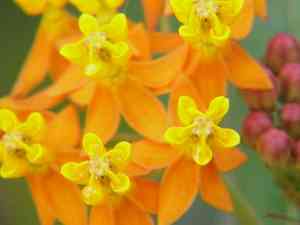
Originating from West Africa, senegal saba is a hardy, fruit-producing flora recognized for its expansive, lustrous foliage and vivid orange produce. Perform trimming in late winter to early spring to eliminate deceased or frail limbs, foster air circulation, and stimulate vigorous development. Prioritize sustaining an unobstructed core to boost light exposure. Consistent trimming reduces the likelihood of ailments and elevates the caliber of the fruit. Consult regional gardening resources to correspond with climatic shifts in your area.
What Are the Benefits of Pruning Senegal Saba?
What Are the Benefits of Pruning Senegal Saba?
Trimming senegal saba promotes vigorous development and helps maintain its form. It improves overall health by enhancing air circulation within the canopy, reducing pest and disease risks. Additionally, pruning can encourage better blooming and fruiting, ensuring strong and healthy growth.
What Is the Best Time for Pruning Senegal Saba?
What Is the Best Time for Pruning Senegal Saba?
Pruning senegal saba during early spring and late winter is optimal because these periods align with the plant's dormant phase, allowing for minimal stress and a quicker recovery. During dormancy, senegal saba conserves energy, reducing the risk of pest infestations and disease. Furthermore, pruning in late winter to early spring ensures that any cuts made do not interfere with the plant's flowering or fruiting periods, as growth is yet to commence actively. This helps maintain the overall health and vigor of senegal saba, promoting robust development in the upcoming growing season.
What Tools Do I Need to Prune Senegal Saba?
Bypass Pruners
Essential for cutting small, tender stems and branches without crushing them.
Loppers
Ideal for pruning medium-sized branches up to 2 inches in diameter, which may be necessary for maintaining senegal saba's larger limbs.
Pruning Saw
Necessary for larger branches that are too thick for loppers, ensuring clean cuts on senegal saba's mature stems.
Pole Pruner
Useful for reaching higher branches without needing a ladder, allowing for safe and effective pruning of tall senegal saba plants.
How to Prune Senegal Saba
Inspection
Begin by carefully inspecting senegal saba for any dead or diseased branches. Identifying these parts early ensures that you focus your pruning efforts appropriately.
Sanitization
Use sanitized pruning tools to prevent the spread of disease. Clean your tools with rubbing alcohol or a bleach solution before making any cuts.
Remove dead
Cut off any dead branches first. Make clean cuts close to the base where the dead branch meets healthy tissue, being careful not to damage the surrounding areas.
Remove diseased
Prune away any diseased branches next. Make the cuts a few inches below the visible signs of disease to ensure all affected tissue is removed. Dispose of the diseased material away from the healthy plant to prevent contamination.
Cleanup
After pruning, clean up the area around senegal saba to remove all cut branches and leaves. This prevents decay and disease from affecting the healthy parts of the plant.
Common Pruning Mistakes with Senegal Saba
Over-pruning
Removing too much foliage can stress senegal saba, leading to poor growth and reduced flowering. Always aim to remove no more than one-third of the plant at a time.
Incorrect cuts
Making improper cuts, such as cutting too close to the bud or leaving a stub, can damage senegal saba and make it susceptible to diseases.
Pruning at the wrong time
Although the best season is mentioned elsewhere, it's crucial not to prune senegal saba at random times, as improper timing can disrupt flowering and fruit production.
Common Pruning Tips for Senegal Saba
Sanitize tools
Always use clean and sharp pruning tools to prevent the spread of disease to senegal saba. Sterilize tools with a disinfectant before and after use.
Selective thinning
Focus on removing dead, diseased, or damaged branches first. This will enhance air circulation and light penetration for senegal saba, promoting healthier growth.
Make clean cuts
Ensure cuts are clean and angled away from the bud to promote healing and prevent water from accumulating on the cut surface, which can cause rot.
Understand plant structure
Learn the natural growth habit of senegal saba to make informed decisions about which branches to remove. Maintain a balanced shape to encourage robust growth.
Avoid heavy pruning
When in doubt, prune conservatively. It's better to make smaller, more frequent cuts than to risk the health of senegal saba with excessive pruning.



