How to Prune Wild petunia?
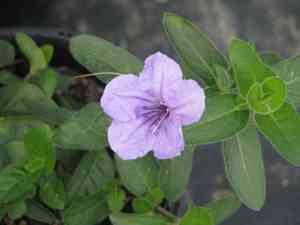
This herbaceous perennial is recognized for its trumpet-like blossoms and compact foliage. The most suitable periods for trimming wild petunia extend from spring to autumn. Removing spent flowers encourages additional blooms and helps preserve the plant's form. Trimming the plant after its initial flowering cycle stimulates a subsequent bloom. End-of-season pruning readies it for the colder months, leading to more robust growth in the subsequent year. Advantages of pruning encompass improved plant health, increased floral production, and management of its dimensions and expansion.
What Are the Benefits of Pruning Wild Petunia?
What Are the Benefits of Pruning Wild Petunia?
Trimming wild petunia promotes more blossoms and robust development. Pruning keeps the plant shapely and compact, ensuring it enhances garden beauty while staying healthy and vibrant.
What Is the Best Time for Pruning Wild Petunia?
What Is the Best Time for Pruning Wild Petunia?
Pruning in Spring allows for the removal of winter damage and stimulates vigorous new growth as wild petunia enters its active season. Early Summer trimming of faded flowers can encourage a second bloom and improve the plantâs look. Fall pruning is perfect for shaping wild petunia, thinning dense areas, and removing dead or diseased foliage, which boosts air circulation and overall plant health. During these periods, wild petunia recovers quickly, and pruning doesn't disrupt its natural flowering cycle.
What Tools Do I Need to Prune Wild Petunia?
Bypass Hand Pruners
Perfect for making neat, accurate cuts on wild petunia's green stems. They operate like scissors with two blades that glide past each other, providing a clean cut that encourages healthy new growth.
Gardening Shears
Wild petunia can benefit from light shaping, and gardening shears are excellent for trimming and sculpting the foliage. Their longer blades help achieve an even, pleasing look.
Pruning Snips
For more detailed work or deadheading wild petunia, precision-tip pruning snips are ideal. They allow for delicate tasks and minimize harm to surrounding stems and leaves.
Gloves
Even though wild petunia lacks thorns, wearing gloves will shield hands from sap and provide a better grip on tools during pruning.
How to Prune Wild Petunia
Clean tools
Before beginning, sanitize pruning tools with a bleach and water solution to prevent disease spread. Ensure tools are sharp for clean cuts.
Remove diseased
Carefully snip off any diseased leaves from wild petunia. Use sterilized secateurs and cut back to healthy tissue to prevent infection.
Eliminate withered leaves
Identify and remove dried-up leaves from wild petunia. Make cuts near the base of the leaf stalk, avoiding damage to healthy surrounding foliage and stems.
Deadhead flowers
Remove spent flowers from wild petunia to encourage more blooming and maintain plant health. Clip just above the node where new buds may form.
Shape plant
After removing diseased and withered parts, shape wild petunia by carefully pruning overgrown areas. Aim for a balanced appearance while considering the plant's natural growth habit.
Common Pruning Mistakes with Wild Petunia
Over pruning
Removing too much growth at once can stress wild petunia, leading to fewer blooms and a weaker plant.
Blunt instruments
Using dull blades can result in jagged cuts that may harm wild petunia and invite disease.
Unsterilized tools
Failure to sterilize tools between cuts can spread pathogens to wild petunia, reducing overall plant health.
Tearing stems
Rough handling or improper cutting techniques can tear stems of wild petunia, causing unnecessary injury and potential disease entry points.
Ignoring deadheads
Neglecting to remove spent flowers from wild petunia can reduce vigor and the plantâs overall aesthetic appeal.
Common Pruning Tips for Wild Petunia
Sharp clean tools
Use sharp, clean pruning shears to make precise cuts and prevent the spread of disease within wild petunia.
Deadheading
Regularly remove spent blooms of wild petunia to promote further flowering and maintain a neat appearance.
Selective thinning
Thin out overcrowded stems of wild petunia to increase air circulation and light penetration, preventing fungal issues.
Cutting angle
Make angled cuts just above leaf nodes to encourage new growth in wild petunia without damaging the main stems.
Post bloom trim
Prune wild petunia lightly after the main bloom period to remove seed heads and encourage a second flush of flowers in the same season.



