How to Prune Brown-eyed susan?
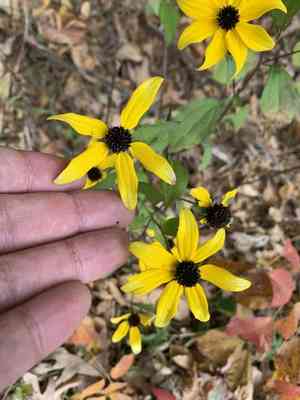
A indigenous wild plant, Rudbeckia hirta is recognized for its groupings of yellow, daisy-like blossoms featuring deep brown cores. Essential trimming methods involve removing faded flowers to stimulate further blooming and shortening stalks to preserve form and dimensions. The optimal period for pruning extends from early spring to late summer, coinciding with Rudbeckia hirta's vigorous development. Pruning can boost vitality and flower output, diminish the likelihood of disease by enhancing air movement, and deter self-propagation, if preferred.
What Are the Benefits of Pruning Brown-eyed Susan?
What Are the Benefits of Pruning Brown-eyed Susan?
Trimming brown-eyed susan promotes robust development and helps maintain its desired form. By eliminating dead or crowded stems, brown-eyed susan can allocate more energy to producing strong new growth and keeping a compact, full look.
What Is the Best Time for Pruning Brown-eyed Susan?
What Is the Best Time for Pruning Brown-eyed Susan?
Trimming brown-eyed susan in early spring coincides with the end of its dormant period and before new growth appears, enabling the plant to channel energy into developing vigorous, fresh shoots. This timing also avoids cutting off flower buds, which form later in the season. In late summer, post-flowering pruning can stimulate a second bloom and help preserve the plant's shape and health. Furthermore, removing spent flowers before they set seed can prevent unwanted self-seeding and encourage more robust growth in the subsequent season.
What Tools Do I Need to Prune Brown-eyed Susan?
Hand Pruners
Perfect for snipping off dead or faded flowers of brown-eyed susan, promoting a neat appearance and potential re-blooming.
Long-Handled Loppers
Useful for reaching higher stems and making cuts on older or woodier growth without straining the gardener's back.
Gardening Gloves
Crucial for protecting hands from thorns and rough plant material while trimming brown-eyed susan.
Pruning Saw
Recommended for removing thicker, more mature stems or branches of brown-eyed susan that are too large for hand pruners or loppers.
Garden Scissors
Suitable for fine-tuning and shaping brown-eyed susan, removing dead leaves, and deadheading delicate flowers.
How to Prune Brown-eyed Susan
Step1: Sanitizing Pruning Equipment
Start by cleaning and sterilizing your pruning tools. This prevents the spread of diseases to brown-eyed susan.
Step2: Deadheading Spent Flowers
Inspect brown-eyed susan for faded flowers. Deadheading, or the process of removing spent blooms, encourages new flowers and a tidier look.
Step3: Snipping Dead Flowers
Using sharp pruning shears, cut off the dead flowers just above the first set of healthy leaves. Make clean cuts to avoid damaging the stems.
Step4: Identifying Diseased Stems
Look for any diseased stems on brown-eyed susan. These might appear discolored, wilted, or show visible signs of fungal growth.
Step5: Pruning Diseased Stems
Trim diseased stems back to the plant's base, or to a point where healthy tissue is visible. Be sure to dispose of diseased material properly to prevent the spread of infection.
Step6: Trimming Overgrown Foliage
To address overgrown foliage, identify the oldest or most crowded stems of brown-eyed susan that may be restricting air circulation or light penetration.
Step7: Thinning for Growth and Sunlight
Cut these selected stems back to the plant's base or to a healthy bud to promote vigorous growth and a more open habit that allows sunlight to reach inner leaves.
Step8: Shaping the Plant
Shape brown-eyed susan by trimming uneven or excessively long stems. Aim for a natural form that complements the plant's growth habit.
Step9: Post-Pruning Tool Care
After pruning, clean the tools again and apply a thin layer of oil to the blades to prevent rust.
Step10: Observing Post-Pruning Growth
Monitor brown-eyed susan after pruning for signs of new growth or any issues. Adjust your pruning technique seasonally, as brown-eyed susan benefits from different pruning approaches throughout the year.
Post-Pruning Care for Brown-eyed Susan
Post-Pruning Care for Brown-eyed Susan
Immediately after trimming brown-eyed susan, water thoroughly to aid recovery. Keep the plant in a location with moderate sunlight, ensuring a stable temperature, as recovery is hindered by extremes. Maintain ambient humidity for brown-eyed susan; dry air can stress the pruned plant. Fertilize with a balanced, slow-release formula to encourage regrowth, avoiding overfeeding. Regularly inspect for discolored leaves, wilting, or other stress signs. At infection signs, apply a fungicide or insecticide designed for brown-eyed susan, following recommended practices.
Common Pruning Mistakes with Brown-eyed Susan
Over-pruning Reduces Flowers and Weakens Plants
Excessive pruning is a common error which can significantly decrease the number of flowers on brown-eyed susan. Removing too much foliage can diminish the plant's vigor.
Avoid Cutting Woody Base of Stems
Cutting into the woody base of old stems can harm brown-eyed susan. Only the softer, green growth should be trimmed to avoid damaging the plant's ability to regenerate.
Deadheading Neglect Decreases Blooms
Failing to remove spent flowers can lead to fewer blooms. Deadheading, or the practice of removing faded flowers, is often overlooked but is crucial for extending the flowering period.
Use Sharp, Clean Tools for Pruning
Using dull or dirty pruning tools can result in jagged cuts and introduce diseases to brown-eyed susan. Clean, sharp tools are essential for healthy pruning cuts.
Prevent Pests with Proper Cut Placement
Pruning in a way that leaves stubs can attract pests and diseases. It is important to make cuts close to a bud or branching point without leaving excess stem.
Common Pruning Tips for Brown-eyed Susan
Deadheading for More Blooms and Improved Appearance
Regular deadheading of brown-eyed susan encourages further blooming and maintains the plant's appearance. Snip the spent flower heads back to just above the first healthy set of leaves.
Thin Out Old Stems to Boost Health and Airflow
For optimal health and growth, periodically thin brown-eyed susan by removing some of the older stems at their base to increase air circulation and reduce disease risk.
Selective Pruning for Balanced Plant Shape
Shape brown-eyed susan by selectively pruning to create a balanced form. Leave the healthiest and most robust stems while removing weaker ones.
Cut Back Stems Post-Frost for Winter Prep
After the first killing frost in the fall, cut back brown-eyed susan's stems to 2-3 inches above the ground to tidy the plant and prepare it for winter.
Disinfect Tools Before Pruning to Prevent Disease
Use a clean pair of secateurs or shears for pruning. Disinfect tools before use to prevent the spread of pathogens that could harm brown-eyed susan.
Prune Above Nodes for Healthy Growth Direction
When cutting back brown-eyed susan, clip just above a leaf node or bud to encourage new growth in the desired direction. This technique also prevents the formation of dead stubs.



