How to Prune Cutleaf coneflower?
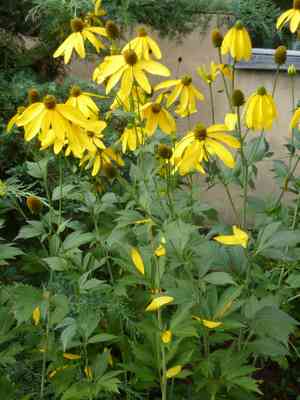
A resilient plant featuring vibrant yellow blossoms and deeply divided foliage, cutleaf coneflower flourishes with judicious trimming. Regularly remove faded flowers to stimulate further blooming. Trim the plant down to the soil surface in late autumn or early spring to foster robust development. Reducing dense clusters improves air movement, thereby averting fungal infections. Strategic pruning during the suggested periods guarantees the well-being of this hardy wildflower and optimizes its floral display.
What Are the Benefits of Pruning Cutleaf Coneflower?
What Are the Benefits of Pruning Cutleaf Coneflower?
Trimming cutleaf coneflower promotes more abundant flowering, stimulates vigor, and maintains a neat appearance. Strategic cuts direct energy towards bloom production and prevent excessive growth, preserving garden beauty.
What Is the Best Time for Pruning Cutleaf Coneflower?
What Is the Best Time for Pruning Cutleaf Coneflower?
Early spring is optimal for pruning cutleaf coneflower, occurring before new growth begins, allowing the plant to direct energy into fresh foliage and blooms. This timing also enables removal of winter damage or old, faded flowers (deadheading) before active growth resumes. Trimming in late fall is suitable for removing dead or diseased stems after cutleaf coneflower has flowered and entered dormancy. Eliminating such plant material minimizes potential disease transmission and prepares cutleaf coneflower for vigorous growth in the subsequent season. Careful timing of pruning respects the natural life cycle, fosters plant health, and ensures maximum flowering for cutleaf coneflower.
What Tools Do I Need to Prune Cutleaf Coneflower?
Hand Pruners
For precise trimming and deadheading of cutleaf coneflower, hand pruners enable gardeners to make clean cuts without harming stems. Ideal for cutting stems less than 3/4 inch in diameter, they ensure healthy regrowth.
Bypass Pruners
These are recommended as they create a clean cut, crucial for the health of cutleaf coneflower. The scissor-like action of bypass pruners is less likely to crush stems, which could otherwise lead to disease.
Pruning Shears
Given cutleaf coneflower's tendency to grow in clumps, pruning shears are useful for shaping and managing plant size. Their long blades are effective for efficiently cutting back large sections of foliage.
Gloves
Wearing durable gardening gloves is essential to protect hands from scratches and irritation when pruning cutleaf coneflower.
How to Prune Cutleaf Coneflower
Step1: Evaluate for Dead Parts & Disease
Inspect cutleaf coneflower for spent flowers, yellowed leaves, and any indications of diseased stems. Always use clean, sharp pruning shears to prevent plant injury and ensure precise cuts.
Step2: Deadheading for Growth and Flowering
Locate faded flowers at the top of cutleaf coneflower's stems. Deadheading, or removing spent blooms, encourages new growth and flowering. Cut the stem just above the first set of healthy leaves below the withered flower.
Step3: Remove Yellow Leaves
Examine cutleaf coneflower for yellow leaves, which may signal age, overwatering, or nutrient deficiency. Gently remove yellow leaves by snipping them where they connect to the main stem, or by hand if they detach easily. Aim to preserve as much healthy foliage as possible.
Step4: Prune Diseased Stems
Identify any diseased stems on cutleaf coneflower. Look for discoloration, unusual spots, or deformities. Cut well below the affected parts, into healthy tissue, to prevent disease spread. Be sure to disinfect shears after cutting diseased material to avoid contaminating other plant parts or other plants.
Step5: Thin Out for Air Circulation
Thin out dense areas of cutleaf coneflower to improve air circulation. This helps prevent fungal diseases. Remove some inner stems by cutting them at the base where they meet the main plant.
Step6: Shape and Shorten Stems
Shape cutleaf coneflower if needed by shortening long or leggy stems. Prune these stems back by up to one-third of their length, cutting just above a leaf node or bud to encourage bushier growth.
Step7: Clean Debris Post-Pruning
After pruning cutleaf coneflower, clear away all cuttings from the plant's base to deter pests and diseases and maintain tidiness. Composting healthy plant debris is recommended, but diseased plant material should be properly disposed of to prevent further infections.
Step8: Water After Pruning
Water cutleaf coneflower thoroughly after pruning to reduce stress and aid recovery. Ensure the soil drains well to prevent waterlogging, which can lead to root rot and other issues.
Step9: Monitor and Maintain
Monitor cutleaf coneflower for new growth and additional pruning needs as the season progresses. Regular upkeep can prevent overgrowth and keep the plant healthy and attractive.
Post-Pruning Care for Cutleaf Coneflower
Post-Pruning Care for Cutleaf Coneflower
Immediately after pruning cutleaf coneflower, water generously to promote recovery. Maintain optimal environmental conditions: partial to full sun exposure, moderate humidity, and temperate climates. Post-pruning, enrich soil with a balanced fertilizer to replenish nutrients. Monitoring cutleaf coneflower is crucial; watch for wilting, discoloration, or signs of infection. If stress indicators are observed, adjust care accordingly, ensuring proper soil moisture and protection from extreme temperatures. Regular inspections will support healthy regrowth.
Common Pruning Mistakes with Cutleaf Coneflower
Over-Pruning Reduces Photosynthesis
Pruning too aggressively, which can result in removing excessive foliage and diminish the plant's capacity for effective photosynthesis.
Damaging Crown by Cutting Into Woody Base
Cutting into the woody base of older plants, which can harm the crown and potentially introduce disease or pests.
Improper Cuts Leading to Stubs and Decay
Leaving behind stubs when cutting stems, as this can lead to decay and provide an entry point for pests or diseases.
Spreading Disease with Unclean Tools
Not sanitizing pruning tools before use, which can spread diseases from one plant to another.
Disregarding Plant's Natural Form
Ignoring the natural shape of cutleaf coneflower, resulting in an unnatural or unattractive form after pruning.
Common Pruning Tips for Cutleaf Coneflower
Clean, Sharp Cuts for Rapid Healing
Use sharp, clean pruning shears to make precise cuts that will heal more quickly and reduce the risk of disease.
Prune to Healthy Tissue Above Nodes
Prune dead or diseased stems back to healthy tissue to promote the overall health of cutleaf coneflower, ensuring the cut is made just above a leaf node or bud.
Thin Inner Stems to Boost Air and Light
Thin out dense growth by removing some inner stems to improve air circulation and light penetration, which will lessen the likelihood of fungal diseases.
Deadhead Blossoms to Promote Blooming
Deadhead spent blossoms to encourage additional flowering, cutting back to a new bud, leaf, or branching point.
Direct Growth with Strategic Cuts
When managing height and spread, cut back to a lateral branch or bud that faces the desired direction of new growth, promoting an appealing shape.



