How to Prune Orange coneflower?
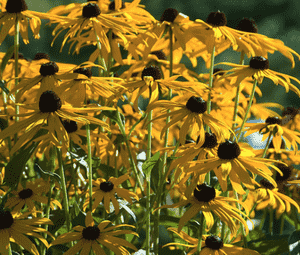
Celebrated for its brilliant yellow-orange blossoms and resilient character, orange coneflower flourishes with proper trimming. Consistent removal of spent flowers stimulates additional blooms and deters unwanted self-propagation. Reduce stems by approximately one-third in the latter part of autumn to foster robust development in spring. Splitting the plant every 3-4 years revitalizes the clusters and boosts their vitality. Strategic trimming from early spring to late autumn corresponds with orange coneflower's natural growth pattern. Thoughtful pruning not only strengthens flower yield but also controls excessive growth and preserves the plant's form.
What Are the Benefits of Pruning Orange Coneflower?
What Are the Benefits of Pruning Orange Coneflower?
Trimming orange coneflower encourages more abundant flowering, fosters vigorous development, and maintains a compact, attractive shape. It is crucial for the vitality of orange coneflower, ensuring it flourishes and displays its vibrant blossoms prominently.
What Is the Best Time for Pruning Orange Coneflower?
What Is the Best Time for Pruning Orange Coneflower?
Early spring trimming is advantageous as it allows gardeners to remove any dead or damaged foliage from orange coneflower before the start of the new growth cycle. This timing ensures that the plant's energy is directed towards producing healthy new shoots. Pruning in late fall, after the blooming period has concluded, helps prevent seed dispersal if seed spread is unwanted, and it allows the plant to maintain a neat appearance throughout the winter. Additionally, late fall pruning minimizes the risk of disease transmission as many pathogens are less active during colder weather. These seasons avoid cutting back orange coneflower during its active growing and flowering phases in summer, ensuring the plant's health and that its blooming potential is not compromised.
What Tools Do I Need to Prune Orange Coneflower?
Bypass Hand Pruners
Bypass pruners are perfect for making clean cuts on the green stems of orange coneflower without crushing plant tissue, which is vital for the plant's well-being.
Scissors
For deadheading orange coneflower or trimming thin stems, a sharp pair of garden scissors can offer precision without harming the plant.
Pruning Shears
Pruning shears can be utilized to remove faded flowers and shape the orange coneflower during the growing season.
Gardening Gloves
Gloves safeguard your hands from scrapes and help maintain cleanliness while pruning orange coneflower.
Rake
A rake might be necessary to gather and clear debris after pruning orange coneflower, keeping the garden tidy and lowering the risk of disease.
How to Prune Orange Coneflower
Step1: Assess Plant Health
Evaluate the overall health of orange coneflower before you begin trimming. Look for spent flowers, damaged stems, and seed heads that require removal.
Step2: Sanitize Pruning Tools
Disinfect your pruning shears with rubbing alcohol or a 10% bleach solution to prevent the spread of illnesses.
Step3: Remove Dead Flowers
Begin with dead flowers. Carefully cut the faded blooms at the base of the flower, just above the first set of healthy leaves. This promotes new blossoms and maintains the plant's appealing look.
Step4: Prune Damaged Stems
Inspect orange coneflower for damaged or diseased stems. Trim these stems back to the plant's base or to a main stem where there is vigorous new growth. Make the cut at a 45-degree angle to allow water to drain and deter disease.
Step5: Control Seed Heads
To manage seed heads and control the spread of orange coneflower, snip them off once they've turned brown and before they open. Cut just above the foliage or the next bud to encourage bushiness and prevent self-seeding, if desired.
Step6: Shape Plant Form
Shape the orange coneflower by removing any stems that disrupt the plantâs natural form. Aim to create an even, rounded shape that allows light and air to penetrate the plant, promoting healthy growth.
Step7: Fertilize After Pruning
After pruning, apply a balanced, slow-release fertilizer to encourage orange coneflower to recover and produce healthy new growth.
Step8: Water Plant Post-Pruning
Water the orange coneflower thoroughly after pruning and fertilizing to reduce stress on the plants and to help them establish new growth.
Step9: Dispose of Clippings Safely
Dispose of all clippings appropriately to minimize the risk of disease. Compost healthy plant material, but discard diseased clippings in the trash.
Step10: Clean and Store Tools
Clean and dry your pruning tools after finishing, and store them properly to keep them sharp and rust-free for the next use.
Post-Pruning Care for Orange Coneflower
Post-Pruning Care for Orange Coneflower
After trimming orange coneflower, immediately water the soil to hydrate the roots and lessen stress. Ensure orange coneflower receives full to partial sun and maintain ambient humidity, avoiding waterlogged soil to prevent root rot. Adjust temperatures to avoid extremes; orange coneflower thrives in moderate conditions. Apply a balanced fertilizer to replenish nutrients and promote growth. Regularly inspect the pruning sites for signs of infection, such as discoloration or wilt, and treat promptly with fungicides if necessary. Monitor overall orange coneflower health, and adjust care as needed.
Common Pruning Mistakes with Orange Coneflower
Overpruning Leads to Plant Shock
Trimming too much can shock orange coneflower and may lead to reduced blooming or weakened plants.
Damaging Stems with Dull Tools
Using dull or dirty pruning tools can harm the stems of orange coneflower, making them vulnerable to disease.
Improper Cut Location Harm Growth
Pruning too close to the main stem or flower buds may inadvertently remove future growth potential or blooms.
Common Pruning Tips for Orange Coneflower
Sharp Shears for Healthy Cuts
Use sharp, clean pruning shears to make clean cuts, which help orange coneflower heal faster and reduce the risk of disease.
Deadheading for More Blooms
Cut back the spent flowers of orange coneflower to encourage a second bloom and prevent self-seeding if not desired.
Thinning for Better Air and Light
Thin out crowded areas by pruning weaker stems to improve air circulation and light penetration, which will promote healthier growth and reduce the risk of fungal infections.



