How to Prune Purple-flowering raspberry?
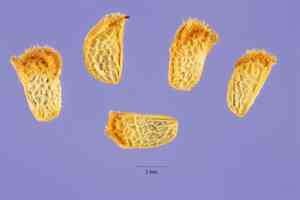
A prominent shrub recognized for its substantial, aromatic, purplish-pink blossoms and foliage resembling maple, the purple-flowering raspberry necessitates trimming to preserve its form and stimulate flowering. Perform pruning in the early spring by excising deceased or compromised branches and reducing older stems to the soil line. This practice fosters fresh development and prevents the shrub from becoming overly thick. Such horticultural intervention improves air movement, diminishes the likelihood of disease, and encourages abundant yields of decorative flowers and palatable berries.
Advantages of Trimming Purple-flowering Raspberry
Advantages of Trimming Purple-flowering Raspberry
Trimming purple-flowering raspberry promotes robust development and maintains a tidy appearance. By eliminating aged canes, purple-flowering raspberry is revitalized, leading to healthier foliage and a stronger framework, enhancing its aesthetic appeal and overall vigor.
Optimal Period for Pruning Purple-flowering Raspberry
Optimal Period for Pruning Purple-flowering Raspberry
Pruning purple-flowering raspberry in early spring is beneficial as this timing allows for the removal of wood damaged over winter before new growth emerges. It fosters healthy development and helps preserve a pleasing form. Furthermore, since purple-flowering raspberry blooms on new wood, pruning at this time will not negatively affect the flowering season, ensuring an abundant display of blossoms in late spring and summer.
Necessary Tools for Pruning Purple-flowering Raspberry
Hand Pruners
Perfect for cutting slender stems and twigs of purple-flowering raspberry, hand pruners offer precision and ease of use for shaping and removing dead or diseased material.
Lopping Shears
Suitable for branches up to approximately 1 1/2 inches thick, lopping shears provide greater leverage for cutting through purple-flowering raspberry's larger canes without harming the plant or the gardener.
Pruning Saw
For more mature or woody stems of purple-flowering raspberry that are too thick for loppers, a pruning saw ensures clean cuts without tearing, which encourages quicker healing.
Gloves
Wearing gloves while pruning purple-flowering raspberry can safeguard the gardener's hands from thorns and potential skin irritants on the plant.
Garden Sanitizer
To prevent the spread of disease, it is crucial to sterilize cutting tools before and after pruning purple-flowering raspberry, ensuring the plant's health.
Method for Pruning Purple-flowering Raspberry
Step1: Examine Plant Structure
Examine purple-flowering raspberry to identify dead wood, diseased branches, and damaged limbs. Conduct this inspection in late winter or early spring before new growth starts, as the plant's structure is more visible then.
Step2: Sanitize Pruning Tools
Sanitize pruning tools with rubbing alcohol or a 10% bleach solution to prevent disease transmission. Clean the tools between each cut when removing diseased limbs.
Step3: Remove Dead Wood
Start by removing dead wood, which will lack any green tissue when lightly scraped. Prune dead canes at the plant's base using clean, sharp bypass pruners or loppers.
Step4: Prune Diseased Limbs
Next, cut out any diseased limbs. Make cuts well below the affected areas, at least several inches into healthy wood. Ensure proper disposal of diseased material, away from the garden to prevent disease spread.
Step5: Trim Damaged Branches
Trim damaged branches, those that are broken or have been harmed by weather or mechanical means. Cut these branches back to a healthy, outward-facing bud or node to encourage proper shape and growth away from the center of purple-flowering raspberry.
Step6: Thin for Airflow
Thin the canes to improve air circulation. Leave strong, healthy canes spaced about 4-6 inches apart. Prune out any canes that are smaller in diameter than a pencil.
Step7: Shape for Appearance
Shape purple-flowering raspberry for aesthetic purposes and to maintain a manageable size. Remove any canes growing outside the desired profile by cutting them back to a bud that faces the direction you want new growth to follow.
Step8: Clear Pruning Debris
After pruning, clear all fallen debris from beneath purple-flowering raspberry to prevent potential disease or pests harboring in the plant material.
Step9: Apply Mulch
Apply a layer of mulch around the base of purple-flowering raspberry to help retain soil moisture and suppress weeds. Keep mulch at least a few inches away from the stems to prevent moisture buildup that can cause rot.
Step10: Water Thoroughly Post-Pruning
Water purple-flowering raspberry thoroughly after pruning to encourage strong root growth and to help the plant recover from the pruning process.
Step11: Monitor and Maintain Pruning
Monitor purple-flowering raspberry regularly for signs of new diseased or damaged growth and prune as needed throughout the growing season to maintain plant health and vigor.
Aftercare for Purple-flowering Raspberry Post-Pruning
Aftercare for Purple-flowering Raspberry Post-Pruning
Immediately after pruning purple-flowering raspberry, ensure it's adequately watered to reduce stress; however, avoid overwatering. Position it in a spot with partial shade to shield it from intense sunlight. Adjust humidity by misting if the air is too dry. Post-pruning, a balanced liquid fertilizer can aid purple-flowering raspberry's recovery and growth. Regularly check for wilted leaves or cankers, indicating stress or infection, and address promptly with fungicides or pest control methods if necessary. Maintain stable temperatures to prevent additional stress during the healing phase.
Common Pruning Errors with Purple-flowering Raspberry
Excessive Pruning
Pruning too much at once, which can shock purple-flowering raspberry and lead to poor health and reduced flowering.
Cutting into old, unproductive wood
Cutting into old, woody growth that no longer produces new shoots, potentially harming the plant's natural shape and diminishing its ability to flower.
Neglecting tool sterilization
Failing to sterilize pruning tools before use, which can spread disease among purple-flowering raspberry and other plants.
Ignoring dead or diseased stems
Overlooking dead, damaged, or diseased stems, which can attract pests and infections detrimental to purple-flowering raspberry.
Incorrect pruning cuts
Using improper pruning cuts, such as tearing stems, can create open wounds susceptible to infection or decay.
General Pruning Advice for Purple-flowering Raspberry
Prune spent canes for new blooms
Identify and remove only the canes of purple-flowering raspberry that have already flowered, as new growth that will bloom next season emerges from the base each year.
Trim in spring for healthy new shoots
Trim away dead or damaged wood in the spring just before new growth begins, allowing purple-flowering raspberry to focus its energy on producing healthy new shoots.
Selective pruning for natural shape
Maintain the natural, arching habit of purple-flowering raspberry by selectively pruning wayward shoots to encourage a balanced shape that does not compromise the plant's form.
Thinning for improved air circulation
Thin out overcrowded areas to enhance air circulation, which reduces the likelihood of fungal diseases and encourages purple-flowering raspberry to produce more flowers.
Angle cuts for outward growth
Cut stems at a 45-degree angle just above an outward-facing bud to guide the direction of new growth away from the center of purple-flowering raspberry.



