How to Prune Whitebark Raspberry?
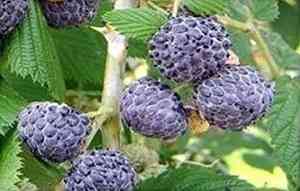
A thorny shrub recognized for its deep, lustrous fruit and curving stems, whitebark Raspberry thrives with consistent trimming to sustain its strength and berry output. Gardeners ought to eliminate all deceased stems and thin out thick foliage to improve light penetration and airflow. The most suitable period for pruning is in winter while the plant is inactive. This seasonal approach prevents ailments and fosters robust new development in spring, which boosts the quantity and excellence of the fruit. Always employ sharp implements to achieve precise cuts, facilitating swift recovery.
What Are the Benefits of Pruning Whitebark Raspberry?
What Are the Benefits of Pruning Whitebark Raspberry?
Trimming whitebark Raspberry encourages more robust fruit development, revitalizes growth, and helps maintain a desired shape. Thoughtful cuts can lead to increased yields and improved plant vitality, while also shaping the plant for aesthetic appeal and space management.
What Is the Best Time for Pruning Whitebark Raspberry?
What Is the Best Time for Pruning Whitebark Raspberry?
Pruning whitebark Raspberry from late winter to early spring allows for the removal of any damaged or diseased stems before the plant allocates energy to new growth. This timing also prevents cutting back stems that will bear fruit, as whitebark Raspberry produces fruit on second-year stems. Pruning while the plant is still dormant minimizes stress and the risk of disease entry. Additionally, the absence of leaves provides better visibility for selecting which stems to prune. This period helps ensure a healthy plant structure and maximizes fruit production for the upcoming season.
What Tools Do I Need to Prune Whitebark Raspberry?
Hand Pruners
Perfect for trimming small to medium-sized stems and dead or diseased branches, ensuring precise cuts that promote the health of whitebark Raspberry.
Loppers
Suitable for cutting thicker stems or branches, typically up to 2 inches in diameter, offering longer handles to reach deeper into whitebark Raspberry and provide leverage.
Pruning Saw
Essential for removing large, mature stems or branches over 2 inches in diameter, allowing for accurate cuts without harming the surrounding growth of whitebark Raspberry.
Gloves
Crucial for protecting hands from thorns and rough stems while pruning whitebark Raspberry, ensuring gardener safety.
Pruning Sealer
Applied to protect large wounds from disease and pests after cutting substantial branches or stems of whitebark Raspberry.
How to Prune Whitebark Raspberry
Remove Diseased Materials
Identify and eliminate any diseased leaves and branches from whitebark Raspberry to prevent disease spread. Make clean cuts with sanitized pruning shears close to the main stem, being careful not to harm healthy tissue.
Cut Back Dead Material
Trim away any dead or withered leaves, as well as dead branches. Use sharp, clean tools to cut at a point just above a healthy bud or lateral branch to encourage whitebark Raspberry's growth.
Thin Excessive Growth
Thin out branches that are growing excessively or that are crossing over each other to improve air circulation and light penetration to whitebark Raspberry's center. Cut these overgrown branches back to a main stem or outward-facing bud.
Shape Plant
Shape whitebark Raspberry by shortening long branches, if necessary. Make cuts just above buds facing the outside of the plant, which will direct new growth outward and maintain an open structure.
Sanitize Equipment
After finishing the pruning, sanitize all equipment used to prevent the spread of disease to whitebark Raspberry or other plants. Clean the blades with a solution of one-part bleach to nine parts water, and then dry to prevent rusting.
Common Pruning Mistakes with Whitebark Raspberry
Over Pruning
Removing too much foliage or too many stems at one time can stress whitebark Raspberry and reduce its fruit production.
Cutting Fruitful Canes
Incorrectly removing stems that are set to produce fruit for that season can lead to decreased yield.
Poor Cut Placement
Improper cut placement, such as cutting too close or too far from a bud, can result in disease entry or poor regrowth.
Ignoring Diseased Wood
Failing to remove diseased or damaged wood can allow diseases to spread throughout whitebark Raspberry, compromising its health.
Neglecting Tool Sanitization
Not sanitizing pruning tools between plants can spread diseases from an infected plant to healthy ones.
Neglecting Old Canes
Leaving old, unproductive stems can crowd the plant, reducing air circulation and light, which is vital for whitebark Raspberry's health.
Common Pruning Tips for Whitebark Raspberry
Cane Selection
Selectively prune the oldest stems, which are usually darker and woodier, to make room for younger, more fruitful ones.
Clean Cuts
Make clean, angled cuts just above buds that are facing the outside of whitebark Raspberry to encourage outward growth.
Prune For Ventilation
Prune to keep the center of whitebark Raspberry open, which improves air circulation and reduces disease pressure.
Post-Harvest Pruning
After fruiting has ended, focus on removing the stems that have already fruited, as whitebark Raspberry bears fruit on one-year-old stems.
Manage Plant Size
Control the spread of whitebark Raspberry by pruning wayward stems to maintain a manageable plant size and shape.
Consistency
Regularly remove small, weak, or broken stems to maintain the health and vigor of whitebark Raspberry.
Tool Maintenance
Keep pruning tools sharp and clean to ensure quick healing of the cuts and reduce the chance of infection.



