How to Prune Sawtooth blackberry?
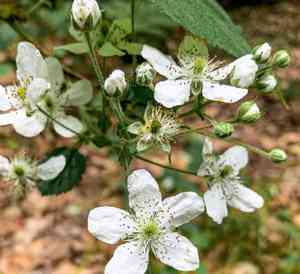
A thorny bush recognized for its pointed spines and palatable fruit, Rubus argutus thrives with consistent trimming to sustain its vigor and yield. Essential pruning methods involve excising lifeless or ailing stems, reducing dense sections to enhance airflow, and severing canes that have already produced fruit. The ideal period for pruning is in early spring, prior to the emergence of new shoots. Trimming Rubus argutus enhances the dimensions and excellence of its berries, and simplifies gathering through controlled cane development.
What Are the Benefits of Pruning Sawtooth Blackberry?
What Are the Benefits of Pruning Sawtooth Blackberry?
Trimming sawtooth blackberry boosts fruit production, encourages robust development, and maintains its desired shape. It promotes strong cane regrowth and assists in disease control by improving air movement.
What Is the Best Time for Pruning Sawtooth Blackberry?
What Is the Best Time for Pruning Sawtooth Blackberry?
Trimming sawtooth blackberry in early spring is ideal as it prepares the plant for a vigorous growth cycle by eliminating dead or diseased wood and thinning out old canes, which enhances sun exposure and air circulation. This timing also avoids cutting back canes that will bear fruit since sawtooth blackberry typically fruits on biennial canes. Pruning too late in the season can stimulate new growth that may not harden off before winter, increasing the risk of cold damage. Early spring pruning minimizes disruption to the plant's natural growth cycle, promotes healthier plants, and ensures better flowering and fruiting.
What Tools Do I Need to Prune Sawtooth Blackberry?
Bypass Pruners
Perfect for making clean cuts on the thinner stems and for detailed work on sawtooth blackberry.
Loppers
Offer additional leverage and reach for cutting thicker stems of sawtooth blackberry, which can be up to half an inch thick.
Gloves
Sturdy, heavy-duty gloves are essential to shield hands from the sharp thorns of sawtooth blackberry.
Pruning Saw
Useful for removing older, woody growth and large, tough canes that are beyond the capacity of loppers.
Protective Clothing
Long sleeves and pants safeguard skin from the thorns of sawtooth blackberry during pruning activities.
How to Prune Sawtooth Blackberry
Step1: Identify and Remove Aged Canes
Locate old canes on sawtooth blackberry which have already produced fruit. These are typically one to two years old, have a darker color, and may show signs of dying back.
Step2: Prune Canes at Ground Level
Using sharp, clean pruning shears, cut the old canes at ground level. Removal of these ensures vigor for new growth and helps control disease.
Step3: Remove Damaged or Diseased Stems
Inspect sawtooth blackberry for damaged stems, including those with signs of disease or pest damage. Prune these back to healthy tissue, making the cut just above a bud.
Step4: Improve Airflow by Trimming Overgrowth
Look for overgrown shoots that crowd the plantâs center or are crossing over others. Pruning these will improve air circulation and sunlight penetration.
Step5: Shorten Shoots for Compact Growth
Cut back overgrown shoots to a height of about 4 to 6 inches to promote a more compact and manageable growth pattern.
Step6: Dispose of Pruned Material
After pruning, remove all trimmed material from the garden area to prevent the spread of pests and diseases.
Step7: Thin Canes to Boost Fruit Production
Thin out the remaining canes if necessary, leaving the strongest and healthiest ones spaced about 4 to 6 inches apart to encourage good fruit production for the following season.
Step8: Sanitize Pruning Tools
Clean all your pruning tools with a solution of bleach and water to reduce the chance of disease transmission to other plants.
Step9: Mulch to Preserve Moisture and Control Weeds
Finish by providing sawtooth blackberry with a good layer of mulch around its base to preserve moisture and suppress weeds, being careful not to pile the mulch directly against the stems.
Post-Pruning Care for Sawtooth Blackberry
Post-Pruning Care for Sawtooth Blackberry
Immediately after trimming sawtooth blackberry, water generously to promote recovery. Maintain slightly elevated humidity while ensuring good air circulation to reduce stress. Provide dappled sunlight, shielding it from intense midday rays. Adjust temperatures to a moderate range, ideally between 60-70°F. Within a month, apply a balanced fertilizer to encourage new growth. Monitor for wilted or discolored foliage, which can signal distress or disease. If such symptoms appear, inspect cuts for infection and treat with fungicide. Regularly check for pests that might exploit fresh pruning wounds.
Common Pruning Mistakes with Sawtooth Blackberry
Neglecting Protective Gear
Failing to wear protective clothing, resulting in injury from the plant's sharp thorns.
Improper Base Cutting
Cutting too close to the cane's base, potentially harming the crown or removing too much of the plant.
Wrong Canes Removal
Eliminating healthy canes while retaining old or diseased ones, which can limit fruit production and hinder the vigor of sawtooth blackberry.
Even Height Pruning
Trimming all canes at the same height, which can lead to uneven growth and reduced fruit yield.
Lateral Branches Overlook
Ignoring lateral branches or 'laterals', which can lead to overcrowding and reduced sun penetration essential for fruit ripening.
Dull Tool Usage
Employing dull or dirty pruning tools, which can make rough cuts that are more susceptible to disease and pest infestation.
Common Pruning Tips for Sawtooth Blackberry
Wear Protective Clothing
Wear thick gloves and long sleeves to protect skin from sawtooth blackberry's sharp thorns while pruning.
Prune After Fruiting Canes
Identify and remove only the canes that have fruited, as sawtooth blackberry produces fruits on second-year growth.
Keep New Vigorous Canes
Retain a limited number of vigorous new canes, as these will produce the next season's fruit.
Vary Canes Height for Air and Light
Trim the canes at varying heights to promote better air circulation and light penetration throughout sawtooth blackberry, encouraging healthy growth.
Prune Laterals to Right Length
Prune the lateral branches to a length of about 12 inches to encourage strong fruit production without overburdening the plant.
Use Sharp Clean Tools
Use sharp, clean pruning tools to make clean cuts that heal quickly, minimizing the risk of disease for sawtooth blackberry.
Remove Diseased Material Post-Pruning
After pruning, remove and destroy any diseased or dead plant material to prevent the spread of pests and diseases within sawtooth blackberry.



