How to Prune Dwarf rotala?
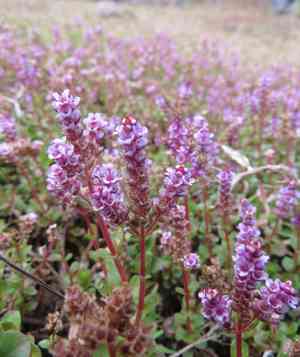
Frequently featured in water gardens, dwarf rotala is a rapidly developing stem plant characterized by its fine foliage. Trim dwarf rotala by severing the upper portions of the stems and reinserting the severed pieces to multiply the plant or encourage a fuller form. The most effective time for pruning is in spring and summer when development is robust, contributing to both visual appeal and more robust, thicker leaves. Consistent trimming averts excessive growth, guaranteeing that light penetrates to the lower leaves, thereby fostering a rich, lively look.
What Are the Benefits of Pruning Dwarf Rotala?
What Are the Benefits of Pruning Dwarf Rotala?
Trimming dwarf rotala promotes more compact development, enabling the plant to flourish robustly. It also aids in maintaining a neat and appealing form, crucial for aquascape aesthetics.
What Is the Best Time for Pruning Dwarf Rotala?
What Is the Best Time for Pruning Dwarf Rotala?
Pruning dwarf rotala in spring is advantageous as it coincides with the start of the plant's natural growth cycle. This timing stimulates vigorous growth because the plant is emerging from its dormant winter phase and is prepared to invest energy into new development. Trimming in summer is also ideal since dwarf rotala may experience a growth surge, and pruning can help preserve the desired plant shape and size. It fosters a bushier look by encouraging side growth after snipping the tips. Pruning during these seasons ensures minimal stress on dwarf rotala and leverages its active growing period, facilitating quick recovery and healthier foliage.
What Tools Do I Need to Prune Dwarf Rotala?
Aquascaping Scissors
Given dwarf rotala's fragile stems and submerged aquatic growth, long, slender aquascaping scissors are perfect for precise cuts without disturbing nearby plant life. Their design allows for easy manipulation underwater.
Spring-action Pruning Snips
For upkeep requiring less water disruption, spring-action snips are suitable; their sharp blades provide clean cuts, and the spring mechanism reduces hand fatigue during repetitive use.
Fine-tip Forceps
If trimming smaller or hard-to-reach areas of dwarf rotala, fine-tip forceps can be utilized to carefully pinch and remove specific plant parts. This prevents unnecessary harm to the delicate stems.
How to Prune Dwarf Rotala
Identify
Examine dwarf rotala to pinpoint diseased leaves, withered foliage, and unhealthy stems requiring removal.
Sanitize
Disinfect your pruning tools with a sanitizing agent to prevent the spread of pathogens to healthy sections of dwarf rotala.
Trim leaves
Carefully remove the diseased and withered leaves from dwarf rotala at the base of the leaf stalk without damaging healthy leaves or stems.
Trim stems
Eliminate diseased stems of dwarf rotala by making a clean diagonal cut above a healthy leaf node to promote new growth.
Dispose
Discard the removed plant material from dwarf rotala far from healthy plants to prevent re-infection or disease transmission.
Common Pruning Mistakes with Dwarf Rotala
Over-pruning
Removing too much of dwarf rotala at once can impede growth and stress the plant, as it relies on leaves for photosynthesis.
Improper cutting technique
Cutting dwarf rotala with dull or dirty tools can cause stem damage, making them vulnerable to disease and pests.
Neglecting plant shape
Failing to consider the natural form and growth habit of dwarf rotala can lead to uneven development and a less attractive appearance.
Ignoring plant health
Pruning dwarf rotala when it is unhealthy or stressed can further weaken the plant and diminish its capacity to recover from the pruning process.
Common Pruning Tips for Dwarf Rotala
Sharp and clean tools
Using sharp, sterilized pruning scissors or shears ensures clean cuts that heal quickly, preventing damage to dwarf rotala's delicate stems.
Regular light pruning
Performing light pruning consistently helps encourage bushier growth, as dwarf rotala responds well to topping, which promotes lateral development.
Cutting at nodes
Making cuts just above leaf nodes encourages new branching on dwarf rotala, resulting in a denser and more appealing plant.
Balanced pruning
Ensuring even pruning on all sides of dwarf rotala promotes symmetrical growth and maintains the plant's natural shape.



