How to Prune Indian toothcup?
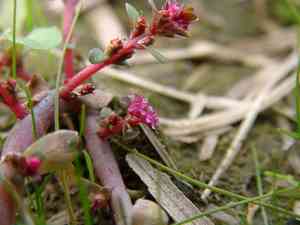
A favored aquatic flora, indian toothcup flourishes with consistent trimming to foster more compact development. The optimal times for cutting are from spring to autumn, aligning with its vigorous growth stages. Regularly snip back stems to stimulate side shoots, which enhances the plant's full look. Advantages of careful pruning encompass improved hue and more robust, lively leaves. Trimming also assists in managing the plant's dimensions, averting excessive expansion in aquatic environments. For superior outcomes, make cuts above a leaf joint using sharp, sanitized scissors.
What Are the Benefits of Pruning Indian Toothcup?
What Are the Benefits of Pruning Indian Toothcup?
Trimming indian toothcup promotes robust development by allowing light and air to reach internal foliage. By reducing excessive growth, gardeners can maintain indian toothcup's desired form, which contributes to a more visually appealing aquascape.
What Is the Best Time for Pruning Indian Toothcup?
What Is the Best Time for Pruning Indian Toothcup?
Trimming indian toothcup in Spring coincides with the start of its active growth phase, fostering healthier and denser growth. Pruning during Early Summer encourages branching and thicker foliage as the plant continues its vigorous development. Late Fall pruning is advantageous for removing any dead or overgrown stems before dormancy, which helps maintain the plant's structure and prevents potential ailments. These periods avoid the stress of extreme temperatures on indian toothcup, ensuring better recovery and thriving during its growing season.
What Tools Do I Need to Prune Indian Toothcup?
Sharp Aquascaping Scissors
Perfect for the delicate stems of indian toothcup. Their keen and precise blades allow for clean cuts without harming the plant.
Spring-loaded Pruning Snips
Lightweight and easy to operate, these are suitable for trimming smaller, finer stems of indian toothcup without causing undue stress to the plant or the gardener's hand.
Curved Tip Trimming Scissors
The curved blades assist in reaching awkward angles, providing accuracy in shaping indian toothcup's development.
How to Prune Indian Toothcup
Clean tools
Before beginning the pruning process, sanitize your pruning scissors or shears to prevent the spread of disease to indian toothcup.
Identify
Examine indian toothcup to locate faded leaves, which are typically discolored, dry, and may be drooping. These are the parts that will require removal.
Cut withered leaves
Using the sterilized scissors, carefully snip off the faded leaves at the base, close to the stem. Avoid tearing or damaging the healthy tissue of indian toothcup.
Dispose
Remove and discard the trimmed material away from healthy indian toothcup plants to prevent any potential disease transmission.
Monitor
After pruning, observe indian toothcup for new growth and vitality, ensuring it continues to flourish and checking periodically for any further trimming requirements.
Common Pruning Mistakes with Indian Toothcup
Over pruning
Removing too much of indian toothcup at once can stress the plant, potentially leading to stunted growth or increased susceptibility to disease.
Pruning into old wood
Cutting into the mature, hardened woody stems could damage indian toothcup as it may not readily produce new shoots from this wood.
Inconsistent pruning
Failing to prune indian toothcup regularly may result in leggy growth and less compact plants. Consistent trimming helps maintain shape and encourages bushier development.
Using dull tools
Employing dull or uncleaned pruning tools can injure the stems of indian toothcup, leading to an elevated risk of infection and an unappealing appearance.
Common Pruning Tips for Indian Toothcup
Always use sharp tools
Utilizing sharp, sterilized pruning shears ensures clean cuts that heal quickly, minimizing the risk of pathogen entry.
Prune for shape
Strategically snipping indian toothcup just above a leaf node can stimulate the growth of new branches, leading to a fuller, more attractive form.
Leave a few inches
When cutting back indian toothcup, leave at least a few inches of the stem to ensure healthy regrowth without jeopardizing the plant's survival.
Promote bushiness
Consistently pinching off the growing tips of indian toothcup after a set number of leaves have formed can encourage lateral growth and result in a denser plant.



