How to Prune Climbing rose?
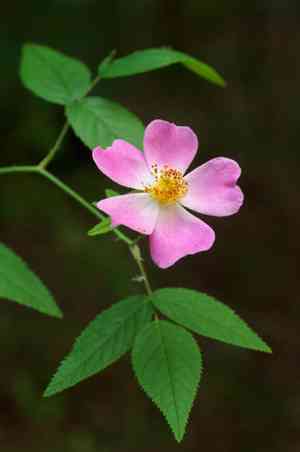
This spiny, leaf-shedding vine, recognized for its rosy blossoms and arcing development, flourishes with appropriate upkeep. Essential trimming methods include excising lifeless, ailing, or frail stalks and guaranteeing ample air movement by reducing dense sections. Perform pruning in late winter or early spring, prior to the emergence of fresh shoots. Pruning stimulates robust development and enhances blooming, given that climbing roses flower on new growth. Attention should be paid to preserving sound canes to facilitate strong seasonal output.
Advantages of Trimming Climbing Rose
Advantages of Trimming Climbing Rose
Trimming climbing rose promotes abundant flowering, channels energy for robust development, and maintains its desired shape. It's vital for the plant's well-being and visual appeal.
Optimal Period for Pruning Climbing Rose
Optimal Period for Pruning Climbing Rose
Pruning climbing rose in late winter or early spring is ideal, aligning with the end of its dormant phase and just before new growth begins. Trimming at this time minimizes plant stress, as sap flow is not yet at its peak. Furthermore, it allows for the removal of dead or damaged wood and any previous year's growth that didn't flower, thus directing energy into producing new flowering shoots. This timing also prevents potential harm from winter freezes and prepares the plant for vigorous spring growth. It's crucial to avoid pruning climbing rose when it's actively growing or blooming, as this can impede its growth cycle and flowering potential.
Tools Required for Pruning Climbing Rose
Bypass Pruners
Perfect for making clean cuts on climbing rose's tender, green stems, ensuring minimal harm to the plant's tissues.
Lopping Shears
Best for cutting through thicker branches that bypass pruners can't manage, providing the necessary leverage to prune climbing rose comfortably and effectively.
Pruning Saw
Essential for removing mature, woody stems of climbing rose that are too thick for lopping shears, ensuring precise cuts without damaging the plant.
Gloves
Crucial for protecting hands from climbing rose's thorns during the pruning process.
Long-Sleeved Clothing
Important for shielding skin from scratches when reaching into climbing rose to make specific cuts.
How to Prune Climbing Rose
Remove Diseased And Withered
Start by inspecting climbing rose for any diseased or withered leaves. Carefully snip these off at the base of the leaf stem using clean, sharp pruning shears to prevent disease spread and encourage healthy development.
Cut Dead Wood
Identify and remove any dead branches, which will be brittle and lack green growth. Cut them back to the base or to a main stem without harming live wood to promote better air circulation and light penetration.
Prune Diseased Branches
Prune diseased branches on climbing rose back to healthy tissue, making cuts at least a few inches below the affected areas. Disinfect your shears after each cut to prevent transmitting infections to healthy parts.
Trim Withered Flowers
Locate withered flowers on climbing rose and deadhead them. This involves cutting the stem of the spent flower back to the first set of healthy leaves. This encourages the plant to produce new blooms and redirects energy to new growth.
Shape Plant
Finally, step back to assess the overall shape of climbing rose. Selectively prune branches that are out of place to maintain a balanced structure. Cuts should be made at a 45-degree angle just above an outward-facing bud to shape the plant and encourage outward growth.
Common Pruning Errors with Climbing Rose
Overpruning
Removing too much growth at once can stress climbing rose, hindering its ability to produce flowers and new growth. It's essential to avoid cutting back more than one-third of the plant in a single season.
Inadequate Tool Sanitation
Not sterilizing pruning tools between cuts and plants can spread disease. It's crucial to disinfect tools, especially when moving from an infected plant to a healthy one.
Pruning Live Wood
Cutting too much live wood can reduce the number of flowers, as climbing rose blooms on old wood. It's important to identify which canes are the oldest and prune those sparingly.
Ignoring Plant Structure
Failing to consider the natural shape and growth pattern of climbing rose when pruning can result in an unbalanced appearance and reduced flowering.
Cut Timing
Incorrect timing of pruning cuts can lead to wounds that do not heal properly, leaving climbing rose vulnerable to pests and diseases.
Wrong Cut Placement
Making cuts too far from a bud or leaving a large stub can lead to dieback and potential disease entry points. Cuts should be made at a 45-degree angle, about 1/4 inch above an outward-facing bud.
General Pruning Advice for Climbing Rose
Assess Before Cutting
Examine climbing rose carefully and plan which canes need to be removed or reduced to improve plant health and shape before making any cuts.
Remove Dead Or Diseased Canes
Prune any dead, diseased, or damaged canes back to healthy wood to maintain the health and aesthetics of climbing rose.
Promote Air Circulation
Thin out the center of climbing rose to increase light penetration and air circulation, reducing the risk of disease.
Enhance Flowering
When pruning, focus on removing older canes to encourage the growth of new canes, which will bear flowers since climbing rose blooms on new wood.
Support Structure
Ensure climbing rose has an appropriate support structure and tie the canes loosely to it after pruning to encourage an attractive form and maximize exposure to sunlight.
Mulching After Pruning
Apply a layer of mulch around the base of climbing rose following pruning to help conserve soil moisture and regulate soil temperature.



