How to Prune Tea rose?
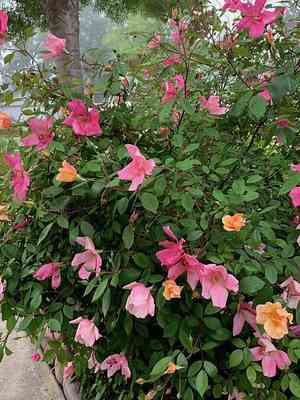
This aromatic, continuously flowering bush is prized for its abundant, multi-layered blossoms. Essential trimming for tea rose entails removing faded flowers to stimulate further blooming, excising dead or ailing branches, and sculpting the plant to create an open core for improved air movement. The perfect period for pruning is in early spring or late winter, right before fresh shoots emerge. Consistent pruning sustains well-being, robustness, and fosters the prolific generation of its distinctive, intensely fragrant blooms.
Advantages of Trimming Tea Rose
Advantages of Trimming Tea Rose
Trimming tea rose promotes fresh development, resulting in more abundant and vivid blossoms. It fosters a robust structure and controlled form, essential for air circulation and disease prevention, thus ensuring tea rose remains vigorous and visually appealing.
Optimal Time for Pruning Tea Rose
Optimal Time for Pruning Tea Rose
Pruning tea rose in late winter or early spring is considered ideal as it aligns with the end of dormancy and just before the start of the active growth period. During this time, the plant is less vulnerable to pruning stress and can heal quickly from cuts without diverting energy from flowering. This timing also enables gardeners to remove any dead or diseased wood before new growth emerges, which can enhance the plant's overall health and appearance. Pruning at this stage can stimulate a strong flush of new growth in spring and lead to improved air circulation and sunlight penetration within the plant, further supporting healthy growth and prolific blooming. It is especially important to prune before the plant resumes its growth cycle as tea rose tends to bloom on new wood; thus, timely pruning ensures that flowering is not compromised. Avoiding late fall or early winter pruning is crucial as fresh cuts can be susceptible to frost damage, and the plant may not have sufficient time to properly heal before the cold sets in.
Tools Required for Pruning Tea Rose
Bypass Pruners
Perfect for making clean cuts on green wood, ensuring minimal harm to the living tissue of tea rose.
Loppers
Offer leverage to cut through thicker branches of tea rose that are hard to reach with pruners.
Pruning Saw
Useful for eliminating large, old wood from tea rose that is too thick for loppers.
Gardening Gloves
Shield hands from thorns and guarantee a safe pruning process for tea rose.
Pruning Sealer
Helps seal cuts on tea rose to ward off disease and decay post-pruning.
How to Prune Tea Rose
Selective Cutting
Identify and remove any diseased or dead branches from tea rose, cutting back to healthy wood at a 45-degree angle just above an outward-facing bud, to support good air circulation.
Thinning
Thin out the center of tea rose to increase sunlight penetration and air flow. Remove any crossing or rubbing branches by cutting at the base, careful not to damage the main canes.
Leaf Removal
Carefully prune away diseased and withered leaves from tea rose. Dispose of them properly to prevent the spread of diseases.
Flower Trimming
Deadhead tea rose by removing withered flowers. Cut back to the first leaf below the withered flower with five leaflets to encourage healthy new growth.
Maintenance
After pruning, clean up all fallen debris from around tea rose to reduce the risk of disease and pest infestation. Sanitize your pruning tools with a 10% bleach solution to prevent cross-contamination.
Common Pruning Errors with Tea Rose
Over-Pruning
Removing too much foliage can weaken tea rose by depleting its energy reserves, which can hinder blooming and make the plant more susceptible to diseases or weather stress.
Under-Pruning
Failing to remove enough can lead to a dense and tangled shrub that suffers from poor air circulation and light penetration, which may increase the likelihood of pests and diseases.
Improper Cut Location
Cutting too far from a bud can result in dead stubs, while cutting too close can damage or kill the bud. Both can create openings for pathogens.
Pruning Without Hygiene
Using dirty tools can introduce diseases to the cuts. It's crucial to always prune with clean, sharp instruments.
Ignoring Disease Management
Neglecting to remove all diseased or damaged wood can allow problems to persist or spread, undermining the health of tea rose.
Disregarding Plant Structure
Random cuts that do not consider the natural shape of tea rose can lead to unsightly growth and reduce the overall aesthetic appeal.
General Pruning Advice for Tea Rose
Sharp Tools
Utilize clean, sharp shears or loppers to make precise cuts that heal quickly and minimize disease risk.
Diagonal Cuts
Cut at a 45-degree angle approximately 1/4 inch above outward-facing buds to encourage outward growth and prevent water accumulation on the cut surface.
Selective Thinning
Remove some of the older canes at the base to promote air circulation and light penetration, which encourages healthy new growth.
Consider Plant Vigor
Adjust the intensity of pruning based on the overall vigor of tea rose. Vigorous plants can handle heavier pruning, while weaker ones may benefit from a lighter approach.
Healthy Growth Removal
While removing diseased or dead wood, also consider cutting some healthy growth to shape the plant and to maintain its size and structure.
Prune For Rejuvenation
If tea rose has become woefully overgrown, don't hesitate to do a rejuvenation pruning to reset its growth structure, even though it may sacrifice blooms for a season.



