How to Prune Austrian brier?
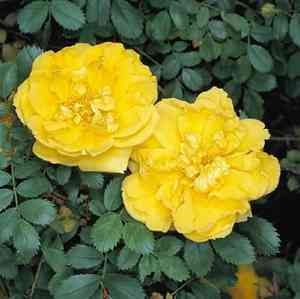
Recognized for its distinctive yellow flowers and strong fragrance, Rosa foetida necessitates meticulous trimming to preserve its vitality and appearance. The optimal time for pruning is from late winter to early spring, right before the emergence of new shoots. Essential methods involve excising dead or ailing wood, reducing dense branches to enhance air circulation, and sculpting the plant to foster outward development. Consistent pruning guarantees abundant blossoming and diminishes the occurrence of diseases. Utilize sanitized, sharp implements for pruning to lessen trauma and prevent stem damage.
What Are the Benefits of Pruning Austrian Brier?
What Are the Benefits of Pruning Austrian Brier?
Trimming austrian brier promotes a strong structure, resulting in abundant blossoms. Strategic cuts stimulate growth and help maintain a compact, attractive form, crucial for this species' best appearance.
What Is the Best Time for Pruning Austrian Brier?
What Is the Best Time for Pruning Austrian Brier?
Pruning austrian brier in late winter or early spring is ideal because the plant is still dormant, minimizing sap loss and disease entry. This timing aligns with the plant's growth cycle before new growth begins, ensuring minimal disruption to flowering since austrian brier often blooms on old wood. Pruning before new buds emerge encourages healthy new growth and directs nutrients to support robust blooms during the flowering season. Additionally, the plant's structure is visible without foliage, allowing for more precise cuts to maintain its shape and health.
What Tools Do I Need to Prune Austrian Brier?
Bypass Pruners
Essential for making clean cuts on austrian brier's healthy, green stems and removing any dead, diseased, or damaged wood. The bypass action ensures a precise cut, vital for the plant's health and recovery.
Long-Handled Loppers
Useful for reaching into the interior of austrian brier or cutting through thicker stems, where extra leverage is needed. The long handles allow for cutting without excessive bending or stretching.
Pruning Saw
Sometimes the stems of austrian brier can be very thick and woody, especially as the plant matures. A pruning saw is perfect for removing these larger stems with greater accuracy and less effort.
Gloves with Gauntlet Protection
Austrian brier typically have thorns, so wearing durable gloves with extended cuffs can protect hands and forearms during the pruning process.
Pruning Sealant
While not always recommended, if there's a risk of pest or disease entry through large wound sites on austrian brier, a pruning sealant might be applied to protect the cuts.
How to Prune Austrian Brier
Identification
Examine austrian brier thoroughly to identify diseased leaves, withered leaves, dead branches, diseased branches, and withered flowers.
Sterilization
Use sharp, sterilized pruning shears or scissors to prevent infecting austrian brier's pruning wounds.
Removal
Carefully remove diseased and withered leaves by cutting them off where the leaf stem meets the branch. Prune dead and diseased branches by making clean cuts at a 45-degree angle, just above an outward-facing bud or node.
Thinning
Thin out the center of austrian brier to increase air circulation, which helps prevent disease. Focus on removing any branches that cross over others or grow inward toward the center of the plant.
Cleanup
Collect all pruned material and dispose of it away from austrian brier to prevent the spread of disease. Clean tools again after finishing to maintain their condition for future use.
Common Pruning Mistakes with Austrian Brier
Overpruning
Removing too much growth from austrian brier at once can stress the plant, potentially leading to weak growth and reduced flowering.
Underpruning
Failing to remove enough of the old or dead wood can lead to a cluttered structure, increased disease susceptibility, and poor air circulation within austrian brier.
Improper Cutting Angles
Incorrect cutting angles can result in unnecessary wounds and increase the risk of disease and pest infestation in austrian brier.
Neglecting Tool Hygiene
Not cleaning and sterilizing pruning tools can spread diseases between plants when working with austrian brier.
Misidentifying Growth
Trimming away new growth thinking it's old or vice versa can negatively impact the flowering potential and overall health of austrian brier.
Common Pruning Tips for Austrian Brier
Selective Thinning
Carefully remove specific branches to thin out austrian brier and enhance light penetration and air flow without compromising the plant's natural shape.
Cut At An Angle
Make cuts at a 45-degree angle just above outward-facing buds to encourage proper water runoff and new growth in the desired direction.
Use Sharp Tools
Employ sharp pruning shears for clean cuts that heal quickly and reduce stress on austrian brier.
Gradual Pruning
Spread the pruning process over a few seasons if a significant amount of cutting back is required, allowing austrian brier to recover between sessions.
Protective Cuts
Ensure pruning cuts on austrian brier are made outside the branch collar to protect the main stem and facilitate rapid healing.



