How to Prune Nippon lily?
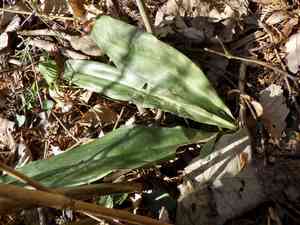
This perennial evergreen, distinguished by its wide, deep green foliage, flourishes with infrequent trimming. For nippon lily, trimming should focus on withered or discolored leaves, ideally carried out in early spring or late winter to uphold the plant's well-being and visual appeal. Judicious removal of aged leaves stimulates fresh development, guaranteeing robustness and a neat look. Infrequent trimming also improves air movement, lowering the likelihood of illness. Gentle handling is crucial to preserve the plant's structure and avoid unintentional harm to its rhizomes.
Advantages of Trimming Nippon Lily
Advantages of Trimming Nippon Lily
Trimming nippon lily promotes vigorous development and maintains its desired shape. This action aids in eliminating dead or weak foliage, fostering a healthier and more visually appealing plant.
Optimal Time for Trimming Nippon Lily
Optimal Time for Trimming Nippon Lily
Pruning nippon lily in late winter or early spring is ideal as it coincides with the period just before new growth commences, which is vital for encouraging robust development. These seasons ensure the plant remains dormant, minimizing stress and reducing the chance of disease infection through fresh cuts. Pruning at this time allows the plant to channel its energy into producing new shoots and leaves upon breaking dormancy. Furthermore, it is simpler for gardeners to shape the plant without the obstruction of full foliage, which appears later in the season.
Tools Required for Pruning Nippon Lily
Hand Pruners
For snipping dead or yellowing leaves, hand pruners offer precision, which is crucial since nippon lily is a compact plant with dense foliage. Opt for bypass pruners for clean cuts without harming healthy tissues.
Long-handled Loppers
When it's necessary to reach into thicker growth or to remove larger, tougher stems, long-handled loppers provide leverage and accuracy without disturbing the rest of the plant.
Gardening Gloves
Protecting hands is essential due to potential skin irritants in the sap of nippon lily. Gloves also offer a better grip on tools.
Pruning Saw
For mature nippon lily with thicker stems that hand pruners cannot manage, a pruning saw is suitable. Its serrated edge allows for cutting without excessive force, preventing damage to the plant.
Clean Cloth
Used for wiping blades between cuts to prevent disease spread, which is particularly important for nippon lily to maintain its health and aesthetic appeal.
How to Prune Nippon Lily
Sanitize Tools
Before beginning the pruning process, clean and sterilize all pruning tools to prevent the spread of diseases to nippon lily.
Examine Plant
Carefully inspect nippon lily for diseased and withered leaves. Look for any discolored, brown, or yellow leaves that may indicate illness or age.
Remove Diseased Leaves
Using a sharp pair of shears, remove any diseased leaves by cutting at the base where the leaf stem meets the main plant. This helps maintain the health and appearance of nippon lily.
Prune Withered Leaves
Cut back any withered leaves in a similar manner, trimming at the base to promote fresh growth and improve air circulation within nippon lily.
Discard Trimmed Material
After pruning, properly dispose of the trimmed diseased and withered leaves to prevent any potential spread of disease to nippon lily or nearby plants.
Common Pruning Errors with Nippon Lily
Excessive Pruning
Removing too much foliage or too many roots from nippon lily can shock the plant and impede its growth. Care should be taken to prune sparingly, especially when dealing with the roots.
Incorrect Cut Placement
Making cuts too close or too far from the base of the leaves or stems can lead to damage and disease. It's essential to make clean cuts at the correct location to promote healthy regrowth.
Using Dull Tools
Pruning with dull tools can cause jagged cuts that are more susceptible to disease and pest invasion. Gardeners should always use sharp, clean tools for pruning.
Pruning Healthy Growth
Mistakenly pruning healthy leaves and stems instead of just removing damaged or diseased foliage can reduce the vigor and aesthetic appeal of nippon lily. Identifying and only removing the necessary parts is crucial.
Ignoring Plant Structure
Not considering the natural shape and structure of nippon lily when pruning may result in an unbalanced appearance and may compromise the plant's health.
General Pruning Advice for Nippon Lily
Clean Cuts
Use sharp, clean pruning tools to make precise cuts, which help prevent disease and allow for quicker healing.
Removal Of Dead Material
Focus on removing dead or dying leaves and stems from nippon lily, which will promote healthier growth and enhance the plant's appearance.
Consider Plant Health
Before pruning, assess the overall health of nippon lily to determine which parts need pruning. This will help maintain the plant's shape and vitality.
Minimal Root Pruning
When pruning the roots of nippon lily, be very conservative to avoid causing undue stress to the plant. Gently tease out and trim back only what is necessary.
Aftercare
Provide nippon lily with appropriate aftercare, such as watering and feeding, to help the plant recover and thrive post-pruning.



