How to Prune Black locust?
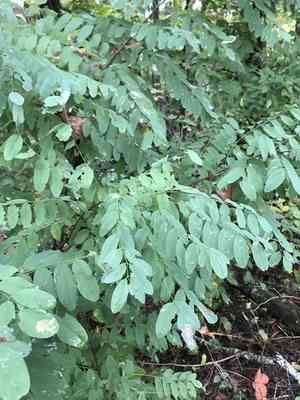
A rapidly developing deciduous tree recognized for its aromatic white blossoms and capacity to fix nitrogen. Essential trimming methods for black locust involve eliminating deceased or compromised limbs, sculpting for form, and managing its dimensions. The most effective time for pruning is in late winter or early spring to foster robust development and minimize the likelihood of pest incursions. Trimming offers the advantage of boosting floral output and preserving the plant's well-being.
What Are the Benefits of Pruning Black Locust?
What Are the Benefits of Pruning Black Locust?
Trimming black locust encourages strong development and helps keep its form. It can improve structural soundness, promote new shoots that may lead to more blooms, and extend the lifespan of black locust.
What Is the Best Time for Pruning Black Locust?
What Is the Best Time for Pruning Black Locust?
Cutting black locust in late winter or early spring aligns with its dormant period, lowering the chance of pest infestation and disease entering through cuts. This also benefits the plant's health by minimizing sap loss, which is greater with later spring cuts. Furthermore, pruning before new growth ensures the plant's energy goes to producing healthy branches and foliage, not repairing cut limbs. This timing also avoids disrupting the flowering cycle, as black locust blooms on new wood, and early pruning doesn't affect its blooming potential for the upcoming season.
What Tools Do I Need to Prune Black Locust?
Hand Pruners
Black locust can be trimmed for shaping and removing smaller, more accessible branches. Quality bypass pruners are perfect for making clean cuts on branches up to 3/4 inches thick.
Loppers
For larger branches commonly found on black locust, up to 2 inches in diameter, which are too big for hand pruners, bypass loppers are advised. They offer greater leverage and reach.
Pruning Saws
When dealing with black locust, branches over 2 inches thick are common. For this size, a robust pruning saw is essential. A saw with tri-cut or razor teeth will facilitate easier cutting.
Pole Saws/Pruners
Given the height and spread of black locust, pole saws or pruners can be utilized to safely trim higher branches without needing a ladder.
Chainsaw
For mature black locust with very thick limbs or for removing significant portions of the tree, a chainsaw might be necessary. This should only be operated by an experienced individual.
Personal Protective Equipment
Safety glasses, gloves, and a hard hat should be worn when pruning black locust to prevent injury from falling debris, especially when using power tools.
Cleaning Solution
Pruning tools should be cleaned with a solution like diluted bleach or alcohol to prevent the spread of disease when trimming black locust.
How to Prune Black Locust
Step1: Timing for Pruning
Determine the optimal pruning period for black locust, which is late winter to early spring before new growth starts, to reduce stress and sap loss.
Step2: Tool Sterilization
Clean and sanitize pruning tools with rubbing alcohol or a 10% bleach solution to prevent the spread of diseases.
Step3: Dead Wood Inspection
Examine black locust for dead wood, which typically appears dry, brittle, and lacks live buds. These branches can be removed at any time of year as they appear.
Step4: Cutting Dead Branches
Use sharp bypass pruners or a pruning saw for larger branches to make precise cuts. Cut dead wood back to where it meets healthy tissue, making the cut just outside the branch collar without harming it.
Step5: Damaged Wood Identification
Locate damaged wood on black locust. Damage may be caused by weather events, disease, or physical injury. Look for cracked, broken, or diseased limbs.
Step6: Pruning Damaged Limbs
Cut damaged wood just above a lateral branch or bud, or back to the main trunk if necessary. If cutting back to the trunk, leave the branch collar intact to aid proper healing.
Step7: Suckers Removal
Look for suckers, which are vigorous vertical shoots growing from the base or roots of black locust. They can divert energy from the main tree and may cause a crowded canopy.
Step8: Sucker Pruning Technique
Prune suckers as close to the base as possible, using a clean pruning cut without leaving stubs. Regular removal may be necessary as new suckers can sprout throughout the growing season.
Step9: Post-Pruning Mulching
After any significant pruning, apply a thin layer of organic mulch around the base of black locust to protect the roots and retain soil moisture, but avoid piling mulch against the stem or trunk.
Step10: Post-Pruning Monitoring
Monitor black locust after pruning for signs of disease or poor response, such as wilting or discolored foliage, and consult a professional arborist if you observe unusual symptoms.
Post-Pruning Care for Black Locust
Post-Pruning Care for Black Locust
Immediately after pruning black locust, sanitize wounds with a pruning sealer to prevent disease. Optimize light exposure, ensuring partial sun to full sun conditions, and maintain moderate humidity and mild temperatures. Post-pruning, adjust irrigation to compensate for reduced transpiration. Apply a balanced fertilizer to promote vigorous growth, but only after signs of new growth emerge. Regularly inspect for pest invasion or disease, with prompt action to address any abnormalities. Vigilance in these areas helps secure black locust's robust recovery and growth.
Common Pruning Mistakes with Black Locust
Over-pruning Tree Canopy Stress
A common error is over-pruning black locust, leading to plant stress and a weakened structure. Gardeners should avoid removing more than one-third of the tree's canopy in a single pruning session.
Improper Pruning Cuts Attract Pests
Another mistake is making improper cuts, such as leaving stubs or cutting too close to the trunk. These practices can invite pests and diseases, and hinder the plant's natural healing process.
Ignoring Water Sprouts and Suckers
Neglecting to remove water sprouts and suckers is also a mistake, as it can lead to a cluttered tree structure and divert energy from the main growth, potentially affecting the overall health and appearance of black locust.
Common Pruning Tips for Black Locust
Remove Dead or Damaged Branches First
A good pruning practice is to start by removing any dead, diseased, or damaged branches. This encourages black locust to invest energy in healthy growth and maintains a strong structure.
Use Sharp Tools for Angle Cuts Above Bud
When cutting, make sure to use clean, sharp tools and make cuts at a 45-degree angle just above a bud or branching point, which promotes efficient water runoff and healing.
Thinning Canopy for Air and Light
Selective thinning of the canopy enhances air circulation and light penetration, which can be beneficial for the health and flowering of black locust. Focus on thinning out crowded or crossing branches.



