How to Prune Tropical Mexican clover?
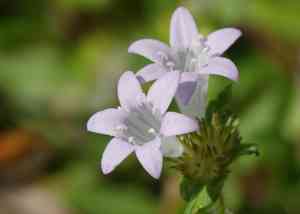
A robust ground-covering plant, tropical Mexican clover flourishes with consistent shearing to preserve its compact carpet and manage its expansion. Perform pruning during the vigorous growth phases of spring and summer, as trimming at these times can encourage fresh development and boost bloom production. Eliminating aged stalks contributes to the plant's well-being by diminishing the presence of pests and illnesses. Focus on elongated or excessively dense sections to improve air movement and light access, thereby enhancing the plant's general vigor. Trimming additionally aids in upholding the preferred shape and curbing aggressive spreading.
What Are the Benefits of Pruning Tropical Mexican Clover?
What Are the Benefits of Pruning Tropical Mexican Clover?
Trimming tropical Mexican clover encourages robust development and helps maintain a tidy form, enhancing its visual appeal in a garden.
What Is the Best Time for Pruning Tropical Mexican Clover?
What Is the Best Time for Pruning Tropical Mexican Clover?
Pruning during Spring enables tropical Mexican clover to direct energy towards new growth as it emerges from dormancy. Early Summer trimming coincides with post-flowering periods, promoting denser foliage and preventing seed dispersal.
What Tools Do I Need to Prune Tropical Mexican Clover?
Hand Pruners
For cutting smaller stems and maintaining the shape of tropical Mexican clover, hand pruners are effective. They provide a clean cut, minimizing stem damage, which is crucial for the health of tropical Mexican clover. As tropical Mexican clover lacks thick branches, standard bypass pruners are ideal for selective trimming and removing unwanted growth.
Garden Shears
Garden shears are suitable for shaping and managing the spread of tropical Mexican clover. They can quickly trim the plant's edges, especially when it covers a large area. This tool is optimal for maintaining the desired aesthetic and controlling the plant's size.
Pruning Saw
For older, woodier stems that may have developed, a small pruning saw can be used to make clean cuts without applying excessive pressure, which can protect tropical Mexican clover from unnecessary stress and potential harm.
Gardening Gloves
When pruning tropical Mexican clover, wearing gloves is advisable to protect hands from injury and ensure a better grip on the tools used during trimming procedures.
Loppers
If tropical Mexican clover has grown extensively and has thicker stems, loppers can be used for cutting through denser material. They offer more reach and leverage than hand pruners, which can be useful for accessing harder-to-reach areas of tropical Mexican clover.
How to Prune Tropical Mexican Clover
Disinfect tools
Before beginning to prune tropical Mexican clover, sanitize your pruning tools with isopropyl alcohol or a 10% bleach solution to prevent disease transmission.
Remove diseased leaves
Carefully remove any diseased leaves from tropical Mexican clover by cutting them off at the base of the leaf stem, ensuring a clean cut to promote rapid healing.
Prune withered leaves
Identify and prune withered or dead leaves from tropical Mexican clover by making a clean cut at the base of the leaf stem. This helps direct the plant's energy towards new growth.
Cut diseased stems
Trim back any diseased stems on tropical Mexican clover to healthy tissue, cutting at a 45-degree angle to promote water runoff and prevent further infection.
Cleanup
After pruning tropical Mexican clover, remove all cuttings from the soil surface to prevent fungal and bacterial growth, and dispose of them properly away from the garden.
Common Pruning Mistakes with Tropical Mexican Clover
Over-pruning
Removing too much foliage from tropical Mexican clover can stress the plant, leading to reduced vigor and fewer blooms. The plant can tolerate some cutting back, but excessive pruning could potentially harm its overall health.
Blunt or dirty tools
Using tools that are not sharp or are dirty can cause damage to tropical Mexican clover's stems, leading to jagged cuts that are more susceptible to disease and pests.
Ignoring plant shape
Not considering the natural growth habit of tropical Mexican clover when pruning can result in an unnatural appearance and potentially inhibit its growth pattern, affecting the plant's ornamental value and health.
Pruning without a purpose
Random or indiscriminate pruning without understanding the growth habit or purpose (such as to remove dead flowers or control size) can lead to a poorly shaped plant and may hinder flower production.
Pruning healthy blooms
Accidentally removing healthy blossoms instead of spent ones can diminish tropical Mexican clover's flowering display. Make sure to differentiate between old and new blooms.
Common Pruning Tips for Tropical Mexican Clover
Clean and sharp tools
Ensure pruning shears and other tools are clean and sharp to make precise cuts that heal quickly, preventing potential entry points for diseases.
Deadheading
Regularly remove spent blooms of tropical Mexican clover to encourage continuous flowering throughout its growing season. This helps redirect the plant's energy into producing new flowers and maintaining vigor.
Shaping
Prune tropical Mexican clover to maintain its natural mound shape. This encourages the growth of new shoots and blooms and contributes to a tidy appearance.
Thinning
Thin out crowded stems of tropical Mexican clover to improve air circulation, which is vital in preventing fungal diseases common in dense foliage.
Pruning for rejuvenation
If tropical Mexican clover is becoming leggy or overgrown, cut back old growth to a set of leaves to promote fresh growth and maintain plant size. This can also improve the overall appearance and health of the plant.



