How to Prune Red flowering currant?
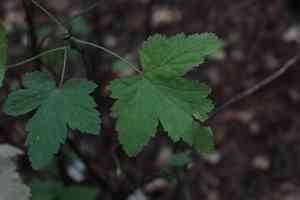
This leaf-shedding bush, recognized for its vibrant pink to crimson blossoms and dark blue berries, thrives with trimming to preserve its form and foster well-being. Essential methods include reducing aged branches and shortening stems that have already bloomed down to a robust shoot. The ideal period for pruning is following its flowering in late spring or early summer, preventing the removal of the subsequent season's buds. Appropriate pruning stimulates robust development and improves the bloom production of red flowering currant.
Advantages of Trimming Red Flowering Currant
Advantages of Trimming Red Flowering Currant
Trimming red flowering currant promotes abundant blooms and aids in preventing pests and diseases, sustaining plant vitality and visual appeal.
Optimal Period for Trimming Red Flowering Currant
Optimal Period for Trimming Red Flowering Currant
These periods are ideal because pruning during late spring and early summer coincides with red flowering currant's post-blooming phase, allowing the plant to channel energy into growth and future blossoms. Pruning at this time helps maintain a desirable form, encourages robust new growth, and prevents diseases by enhancing air circulation within the branch structure. Furthermore, pruning after flowering ensures the plant's vibrant floral display remains undisturbed, as red flowering currant flowers on the previous year's wood. It is crucial to avoid pruning red flowering currant in autumn or winter, as cuts made during dormancy can lead to dieback or make the plant susceptible to diseases and frost damage.
Tools Required for Trimming Red Flowering Currant
Hand Pruners
Perfect for precise cuts on red flowering currant's smaller branches, typically under 1/2 inch in diameter. Bypass pruners are recommended for clean cuts that foster healthy regrowth.
Lopping Shears
Essential for cutting through thicker branches, generally up to 1 1/2 inches in diameter. Their long handles provide leverage, simplifying the task and are suitable for shaping red flowering currant.
Pruning Saw
Used for branches exceeding 1 1/2 inches thick that hand pruners or lopping shears cannot manage. A pruning saw enables the removal of large branches from red flowering currant without harming the plant.
Gardening Gloves
Protect hands from thorns and sharp twigs while trimming red flowering currant.
Pruning Sealer
Applied to larger cuts on red flowering currant to guard against disease and pests, though some horticulturists prefer natural wound healing without sealers.
How to Trim Red Flowering Currant
Step1: Inspect Plant for Dead Wood
Examine red flowering currant at the end of its flowering season or during dormant winter months to identify dead wood and diseased branches needing removal.
Step2: Sterilize Pruning Tools
Clean and sanitize your pruning tools with a solution of one part bleach to nine parts water to prevent disease transmission during the pruning process.
Step3: Remove Dead Branches
Start by removing any dead wood. Locate dead branches, which typically appear shriveled, leafless, and may have a darker or different hue than healthy wood. Carefully cut just above a living bud or the branch collar at an angle that allows water to drain from the cut surface.
Step4: Identify Diseased Branches
Inspect red flowering currant for diseased branches, which may show visible signs of infection, such as unusual growths, discolored wood, or a slimy texture. Prompt removal is vital to prevent disease spread.
Step5: Cut Out Diseased Tissue
When trimming diseased branches on red flowering currant, make cuts at least 6-12 inches below affected areas to ensure all potentially diseased wood is removed. Always cut to healthy tissue, above an outward-facing bud, to encourage proper growth.
Step6: Prune Intersecting Branches
If any intersecting or rubbing branches could cause damage or promote disease, they should be pruned away. Prioritize removing smaller or weaker branches that compete with stronger ones.
Step7: Dispose of Pruned Material
Immediately dispose of all removed dead and diseased wood away from red flowering currant to prevent pathogens from spreading to healthy parts of the plant or nearby plants.
Step8: Sterilize Tools Post-Pruning
After finishing the pruning session, clean and sterilize the tools again to avoid contaminating the next plant you prune.
Step9: Water Plant After Pruning
Water red flowering currant if necessary, following pruning to aid in quicker recovery. Ensure watering is done at the plant's base, avoiding wetting the foliage.
Step10: Mulch for Root Protection
Lightly mulch around the base of red flowering currant to provide nutrients, help retain soil moisture, and protect the roots, keeping the mulch a few inches away from the stem to prevent rot.
Post-Trimming Care for Red Flowering Currant
Post-Trimming Care for Red Flowering Currant
After trimming red flowering currant, promptly clear debris and disinfect tools to prevent disease spread. Place red flowering currant in partial shade for recovery, avoiding extreme temperatures. Maintain ambient humidity to support growth without encouraging fungal development. Apply a balanced, slow-release fertilizer to supply essential nutrients for regrowth. Regularly check for wilting, discoloration, or pests, which indicate stress or infection. If issues arise, adjust care and consult a horticulturist for potential treatments.
Common Trimming Errors with Red Flowering Currant
Avoid Cutting Into Old Wood
Cutting into old wood: red flowering currant blooms on old wood, so overly aggressive pruning into old wood can reduce flowering.
Sterilize Tools to Prevent Disease
Not sterilizing tools: Using unsterilized pruning tools can spread diseases to red flowering currant, potentially harming the plant.
Selective Pruning Over Uniform Cutting
Trimming all stems uniformly: red flowering currant benefits from selective pruning rather than cutting all stems to the same height, which can result in a less natural shape and fewer flowers.
Remove Dead, Diseased, or Damaged Stems
Ignoring dead, diseased, or damaged stems: Failing to remove these stems can impede red flowering currant's growth and health.
Don't Over-Prune
Over-pruning: Removing more than one-third of the plant in a single season can stress red flowering currant, impacting its overall health and flowering capacity.
General Trimming Advice for Red Flowering Currant
Selective Pruning to Improve Health
Selective pruning: Remove specific stems that are dead, diseased, or crossing others to improve air circulation and encourage healthy growth in red flowering currant.
Light Trimming for Shape and Health
Shape and size maintenance: Prune to maintain the desired shape and size, but avoid excessive cutting. Lightly trim red flowering currant to stimulate new growth that will produce flowers.
Prune for Fullness and Branching
Encourage new leaders: For a fuller plant, prune to a strong, outward-facing bud to encourage branching in red flowering currant.
Sterilize Tools to Avoid Disease Spread
Sterilize tools: To prevent disease spread, clean and sterilize pruning tools before working on red flowering currant.
Gradual Rejuvenation Pruning
Rejuvenation pruning: If red flowering currant is overgrown or has a lot of old wood, consider gradual rejuvenation pruning over a few seasons rather than all at once, removing a third of the oldest stems each year.



