How to Prune Black currant?
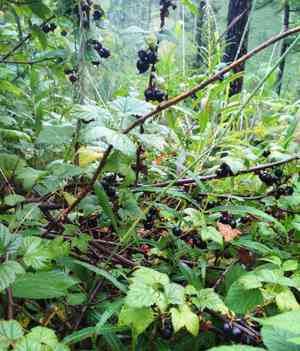
Known for its acidic fruit and common use in preserves, black currant flourishes with appropriate trimming. Each year, eliminate deceased or frail branches to improve air circulation and fruit yield. Reduce the length of lateral shoots to stimulate the development of fruiting spurs. Conduct pruning in late winter while the plant is inactive, steering clear of freezing temperatures to avert harm. Trimming boosts productivity, vigor, and ease of collection. This fosters robust new development, crucial for the subsequent season's harvest.
What Are the Benefits of Pruning Black Currant?
What Are the Benefits of Pruning Black Currant?
Trimming black currant promotes a more plentiful yield by encouraging fruit development. It aids the plant in growing more robustly by eliminating old or unhealthy wood, thereby enhancing air circulation and sun exposure. Pruning also preserves the plant's form for a neater look.
What Is the Best Time for Pruning Black Currant?
What Is the Best Time for Pruning Black Currant?
Trimming black currant during late winter to early spring is optimal because the plant remains dormant, minimizing sap loss which can cause stress. This timing also allows the gardener to clearly observe the plant's structure without leaves obstructing the view, enabling more precise cuts. Pruning before bud break ensures that the energy stored in the roots is directed into the growth of desired shoots once the plant emerges from dormancy. This also helps to establish a strong framework for the upcoming growing season, promoting healthier growth, better air circulation, and sunlight penetration which is crucial for fruit development. Trimming at this time reduces the risk of pest and disease infection, as many pests and pathogens are less active during colder months.
What Tools Do I Need to Prune Black Currant?
Hand Pruners
Crucial for making clean cuts on young stems and removing dead or diseased canes.
Loppers
Required for cutting thicker branches that hand pruners cannot manage, offering leverage and reach.
Pruning Saw
Utilized for removing old fruiting branches and larger wood that necessitates a sawing motion.
Gloves
Protection for the hands from thorns and rough stems during the trimming process.
Pruning Sealant
Optional for sealing larger cuts to prevent disease entry, though often considered unnecessary.
How to Prune Black Currant
Remove Diseased Elements
Identify and cut away any diseased leaves and branches from black currant to prevent the spread of illness. Sterilize pruning tools before and after use to avoid contaminating healthy parts.
Clear Dead Material
Remove all withered leaves and dead branches from black currant to maintain plant health and encourage new growth. Make cuts at a 45-degree angle just above healthy buds to facilitate healing.
Thin Excessive Growth
Thin out excessive growth branches in black currant by cutting them back to maintain good air circulation and light penetration, which are vital for fruit production and reducing disease risk.
Shape Plant
Lightly shape black currant to encourage a balanced structure, cutting back any overreaching branches to maintain the desired form and to promote even fruiting.
Dispose Trimmed Material
Properly dispose of all removed material from black currant to minimize the chance of pests and diseases returning to the plant or spreading in your garden.
Common Pruning Mistakes with Black Currant
Over Pruning
Removing too much of black currant's foliage at once can weaken the plant, hinder fruit production, and potentially lead to disease.
Wrong Cut Location
Cutting either too close or too far from bud nodes can damage black currant or produce weak, spindly growth.
Neglecting Old Wood
Failing to remove some of the older wood annually can lead to reduced fruiting since black currant fruits best on 1-3 year-old wood.
Ignoring Diseased Wood
Overlooking or improperly removing diseased, damaged, or dead branches can spread disease and pest infestations in black currant.
Uneven Pruning
Pruning black currant unevenly can result in an imbalanced shape and affect the plant's overall health and berry production.
Common Pruning Tips for Black Currant
Selective Cutting
When pruning black currant, ensure cuts are made just above outward-facing buds to encourage an open, vase-like structure, which improves air circulation and sun exposure.
Annual Wood Renewal
Regularly remove about a third of the oldest, darkest branches to promote the growth of new fruiting wood and maintain a healthy balance between old and new growth.
Thin To Promote Growth
Thin out crowded areas to allow light to reach the interior of black currant, fostering better fruit production and reducing disease risk.
Clean Tools
Using clean, sharp pruning tools helps prevent the spread of disease and makes cleaner, healthier cuts on black currant.
Target Pruning
Focus on removing branches that cross, rub against each other, or grow inwards towards the center of black currant to maintain plant shape and vigor.



