How to Prune Evergreen sumac?
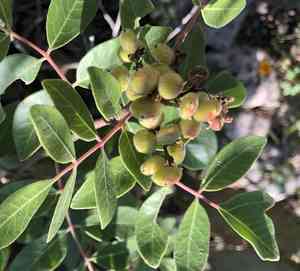
Originating from dry climates, evergreen sumac is a resilient shrub that withstands drought, featuring lustrous foliage and groupings of tiny, aromatic blossoms. For evergreen sumac, trimming should prioritize the elimination of deceased or compromised limbs, sculpting for visual appeal, and managing its dimensions. Perform pruning in late winter prior to the onset of spring development. This schedule prevents the removal of flower buds that develop on mature wood. Pruning stimulates denser growth and sustains the plant's vitality. Specific considerations involve executing precise cuts to avert illness and limiting substantial trimming to safeguard bloom output.
What Are the Benefits of Pruning Evergreen Sumac?
What Are the Benefits of Pruning Evergreen Sumac?
Trimming evergreen sumac promotes robust new development and maintains its desired shape. Strategic cuts can boost the plant's vigor and ensure a neat outline suitable for its garden placement.
What Is the Best Time for Pruning Evergreen Sumac?
What Is the Best Time for Pruning Evergreen Sumac?
Pruning evergreen sumac in late winter, just before spring growth begins, is beneficial because the plant is still dormant. This timing minimizes stress, as active growth has not yet started. It allows for the removal of any cold-damaged branches and encourages a healthier growth spurt in spring. Additionally, since evergreen sumac may flower and fruit, pruning during late winter ensures that the plant's energy is directed toward producing new growth, flowers, and fruits in the upcoming season. It also provides a clear view of the plant structure for more precise cuts, as the foliage is less dense.
What Tools Do I Need to Prune Evergreen Sumac?
Hand pruners
Perfect for cutting small branches and shaping evergreen sumac. The blades can easily handle twigs and small branches up to 1 inch in diameter, which is typical for shaping evergreen sumac.
Lopping shears
Designed for larger branches between 1 and 2 inches in diameter, which evergreen sumac may develop as it matures. The long handles provide leverage to make clean cuts without damaging the plant.
Pruning saw
Essential for branches larger than 2 inches in diameter that may occasionally need removal in older evergreen sumac specimens. A sharp saw makes it possible to cut cleanly through the wood without tearing bark.
Hedge shears
Useful for shaping and maintaining the dense foliage of evergreen sumac, especially for creating formal hedges or specific shapes. They facilitate even, straight cuts across multiple small branches at once.
Pole pruner
For tall evergreen sumac specimens, this allows gardeners to prune higher branches safely from the ground, eliminating the need for ladders and ensuring a more controlled pruning process.
How to Prune Evergreen Sumac
Clean Tools
Before beginning, ensure all pruning implements are clean and sharp to prevent disease spread and make accurate cuts.
Inspect Tree
Examine evergreen sumac closely, identifying all dead and diseased branches. Mark these for removal, taking care not to harm healthy parts.
Remove Dead Branches
Carefully remove dead branches from evergreen sumac, cutting at the branch's base where it meets the trunk or parent branch. These cuts should be clean and at a slight angle to prevent water accumulation.
Cut Diseased Branches
Trim diseased branches on evergreen sumac, making cuts well below the affected areas to ensure all diseased tissue is removed and prevent further spread.
Dispose Trim
Dispose of all removed material from evergreen sumac promptly and properly to minimize the risk of disease spread. Do not compost diseased plant material.
Common Pruning Mistakes with Evergreen Sumac
Snipping Randomly
Without understanding evergreen sumac's growth habit, arbitrary cuts can lead to poor plant structure and may hinder flower production.
Overpruning
Removing too much foliage from evergreen sumac at once can stress the plant, slowing its growth and weakening its defenses against pests and diseases.
Improper Tool Use
Using dull or dirty pruning tools can damage evergreen sumac branches, leading to tears that can be entry points for disease.
Neglecting To Prune
Failure to regularly prune evergreen sumac can result in a dense, unruly form that may not flower as profusely or have as vibrant foliage.
Cut Position
Incorrectly positioning cuts can impede evergreen sumac's natural healing process, potentially leaving the plant susceptible to infections.
Common Pruning Tips for Evergreen Sumac
Tool Preparation
Ensure all pruning tools are sharp and clean to make precise cuts that will heal quickly, preventing disease in evergreen sumac.
Branch Removal
Remove any dead, damaged, or diseased branches from evergreen sumac to promote healthier growth and improve air circulation.
Thinning
Thin out crowded branches to increase light penetration and airflow, which can enhance the overall vitality of evergreen sumac.
Shaping
When shaping evergreen sumac, aim for a natural appearance, avoiding shearing unless forming a hedge. Lightly trim for shape maintenance.
Cut Angle
Make cuts at a 45-degree angle just above outward-facing buds or branch nodes, which encourages outward growth and prevents water accumulation that may lead to rot.



