How to Prune Staghorn sumac?
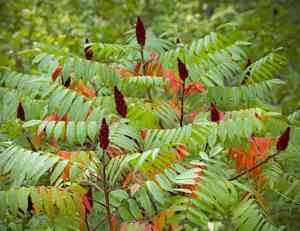
Staghorn sumac, a deciduous shrub recognized for its plush, antler-like stems, flourishes when subjected to deliberate trimming. Essential methods involve reducing aged branches and sculpting the crown to enhance airflow and robust development. Perform pruning in late winter or early spring, prior to the appearance of new foliage. For staghorn sumac specifically, pruning can intensify autumn hues and create thicker leaf density. A word of caution: over-pruning may diminish fruit production, which is crucial if you intend to propagate using berries.
What Are the Benefits of Pruning Staghorn Sumac?
What Are the Benefits of Pruning Staghorn Sumac?
Trimming staghorn sumac is crucial for maintaining its structural integrity and promoting robust development. Strategic cuts help manage the plant's size and encourage fresh, healthy shoots, enhancing its natural look.
What Is the Best Time for Pruning Staghorn Sumac?
What Is the Best Time for Pruning Staghorn Sumac?
In early spring, staghorn sumac enters an active growth phase, making it an ideal time for pruning as the plant can recover quickly and direct energy to new growth. Pruning in late winter, during dormancy, minimizes stress on staghorn sumac and lowers disease transmission risk. These periods avoid disrupting the plant's summer flowering and ensure the vibrant fall colors staghorn sumac is known for are not diminished. This timing also offers the benefit of easily viewing and accessing the plant's structure without leaf obstruction.
What Tools Do I Need to Prune Staghorn Sumac?
Hand Pruners
For precise cuts on young or small diameter branches of staghorn sumac, sharp hand pruners or secateurs are perfect. They ensure clean cuts without harming nearby stems.
Loppers
For branches that are slightly thicker (up to 2 inches in diameter), loppers provide the necessary leverage for clean cuts without straining the gardener's hands. Their long handles also assist in reaching higher branches.
Pruning Saw
For mature branches of staghorn sumac exceeding 2 inches in diameter, a pruning saw is essential. It allows for cutting larger branches that hand pruners or loppers cannot manage.
Pole Pruner
To access higher branches of staghorn sumac without a ladder, a pole pruner with a saw attachment can be used. This tool offers extended reach and the cutting power needed for thicker branches.
Gloves
Thick gloves should be worn to shield the gardener's hands from staghorn sumac's rough and hairy stems, which can cause skin irritation.
Shears
For shaping staghorn sumac or trimming smaller shoots, sharp garden shears provide a more controlled cut and are suitable for hedge-like pruning.
Safety Gear
Eye protection should be worn to guard the eyes from falling debris when trimming staghorn sumac.
How to Prune Staghorn Sumac
Step1: Tool Preparation and Disinfection
Prepare your tools. Before pruning staghorn sumac, ensure you have sharp, clean pruning shears, loppers, and a saw for larger branches. Disinfect cutting tools with a 10% bleach solution or alcohol wipes to prevent disease spread.
Step2: Identifying Dead Branches for Removal
Identify dead branches. Examine staghorn sumac for dead branches. These will typically be brittle, leafless, and may have a different color than healthy branches. Mark them with ribbon or chalk to avoid confusion.
Step3: Pruning Dead Branches with Proper Techniques
Prune dead branches. Using your pruning shears or saw, cut the dead branches. For smaller branches, make a clean cut just above where the branch meets a healthy stem or trunk. For larger branches, use the three-cut method to prevent bark tearing: First, saw an undercut about a third of the way through the branch a few inches from the trunk. Make a second cut from the top down, about an inch past the first cut, allowing the branch to fall cleanly. Finally, make a clean cut to remove the stub without damaging the branch collar.
Step4: Detecting Diseased Limbs
Look for diseased limbs. Spot limbs with signs of disease, which may include unusual growths, discoloration, or cankers. These limbs must be removed to prevent the disease from spreading to healthy parts of staghorn sumac.
Step5: Pruning Diseased Limbs Safely
Prune diseased limbs. Carefully cut diseased limbs using the appropriate tool based on their size. Make sure to cut well below the diseased wood (at least a few inches), and into healthy tissue to ensure no disease remains. Dispose of these limbs far from staghorn sumac and avoid composting them.
Step6: Locating Damaged Shoots
Find damaged shoots. Inspect staghorn sumac for any broken, split, or otherwise mechanically damaged shoots. This often occurs due to wind, snow load, or physical impact.
Step7: Removing Damaged Shoots to Promote Health
Remove damaged shoots. Use pruning shears or loppers to cut damaged shoots cleanly at a point just above a healthy leaf node or bud. This will encourage staghorn sumac to produce new, healthy growth in the coming season.
Step8: Shaping the Plant Post-Pruning
Final shaping. After removing dead, diseased, and damaged parts, you might need to do light shaping for aesthetic purposes or to encourage a certain growth pattern. When doing so, remember to maintain the natural form of staghorn sumac. Avoid excessive pruning which could stress the plant.
Step9: Pruning Cleanup and Tool Maintenance
Cleanup. Gather all removed plant material and dispose of it properly, especially diseased and damaged parts. Clean your tools again to prevent any potential spread of diseases to other plants.
Step10: Monitoring Plant Health Post-Pruning
Monitor staghorn sumac. After pruning, keep an eye out for signs of new growth or any issues that may arise. Pruning can sometimes stimulate the plant to produce a flush of new shoots (suckers), which may need to be thinned out later for an attractive and healthy plant structure.
Post-Pruning Care for Staghorn Sumac
Post-Pruning Care for Staghorn Sumac
Immediately after pruning staghorn sumac, ensure a clean cut to avoid disease and apply a wound sealant if necessary. Place the plant in a location with moderate light, avoiding direct harsh sunlight. Maintain ambient humidity and shield staghorn sumac from temperature extremes. Post-pruning, apply a balanced fertilizer to support recovery. Regularly check for signs of distress, such as wilting or discoloration, as these may indicate infection or shock. In such cases, adjust care conditions and consult an expert if the problem persists.
Common Pruning Mistakes with Staghorn Sumac
Ignoring Plant's Natural Shape
Neglecting the Plant's Natural Shape: Attempting to overly manicure or impose an unnatural shape on staghorn sumac can lead to a loss of its distinctive appearance and reduce its ornamental value.
Excessive Pruning
Over-Pruning: Removing too much foliage or too many stems at once can stress staghorn sumac, potentially leading to weak growth or making the plant more susceptible to diseases and pests.
Improper Cutting Technique
Inappropriate Cutting Technique: Making jagged or torn cuts, or cutting too close to the main stem can damage the bark and inhibit proper healing, leaving staghorn sumac vulnerable to infections.
Not Removing Unhealthy Wood
Ignoring Diseased or Damaged Wood: Neglecting to remove dead, diseased, or damaged branches can impede staghorn sumac's growth and may allow disease to spread to healthy parts.
Pruning Without Purpose
Pruning Without a Purpose: Random or purposeless pruning without understanding the growth pattern of staghorn sumac can result in unbalanced growth and may detract from its overall health and aesthetics.
Common Pruning Tips for Staghorn Sumac
Prune with Clean, Sharp Tools
Use Clean, Sharp Tools: Ensure that all pruning tools are clean and sharp to make precise cuts that will heal quickly, minimizing stress to staghorn sumac.
Adhere to One-Third Rule
Follow the One-Third Rule: As a general guideline, avoid removing more than one-third of the plant's live tissue in a single season to maintain staghorn sumac's vigor and health.
Prune According to Natural Form
Respect the Plant's Architecture: Prune with the natural form of staghorn sumac in mind, enhancing its distinctive growth pattern rather than altering it dramatically.
Remove Dead or Diseased Branches
Remove Problematic Growth: Identify and cut out any dead, diseased, or crossed branches to promote air circulation and light penetration, which can lead to a healthier staghorn sumac.
Stimulate Growth by Thinning
Encourage New Growth: Thin out older stems to stimulate new growth and maintain the plant's vitality. This selective thinning can also improve the overall shape of staghorn sumac.
Make Correct Angle Cuts
Make Proper Cuts: To protect staghorn sumac, make clean cuts at a 45-degree angle just above outward-facing buds or branch collars. This promotes healthy regrowth and reduces the risk of disease.



